

DBT Grant No./ Project No.: No. BT/Ag/Network/Wheat/2019-20

ABOUT
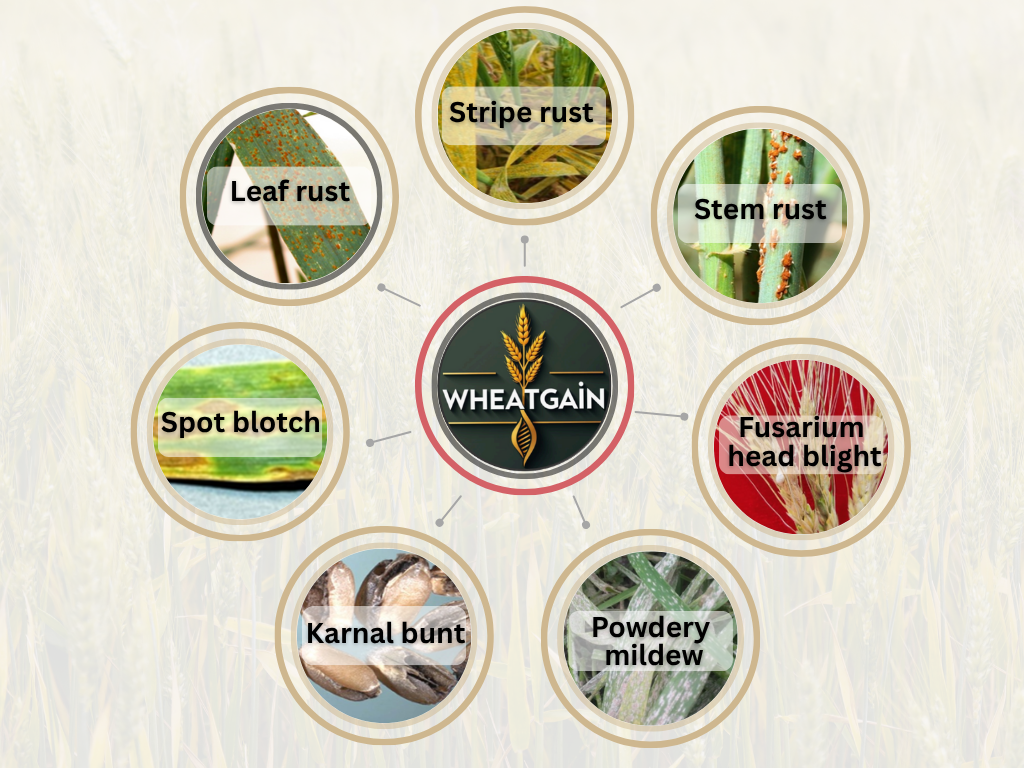
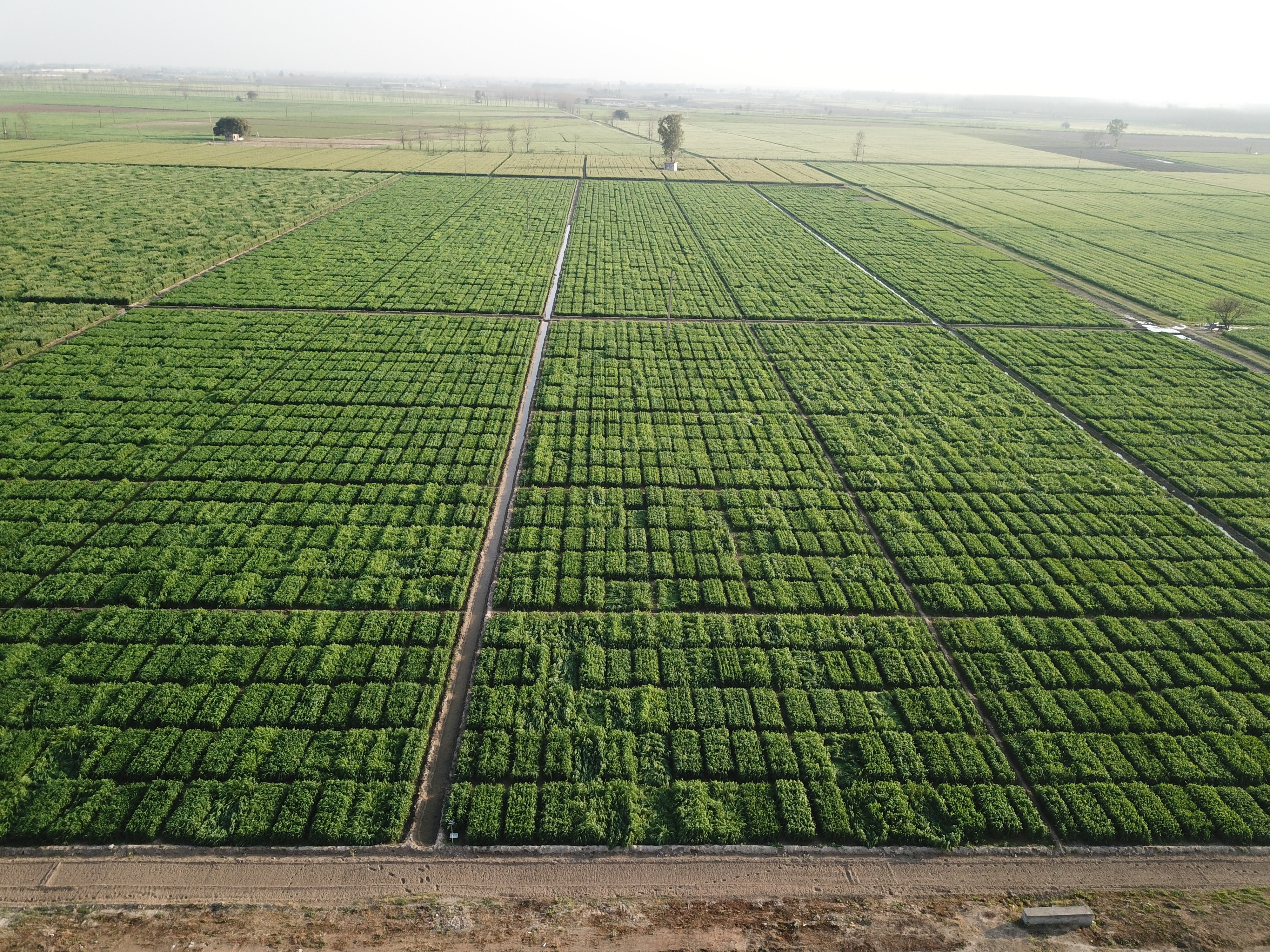
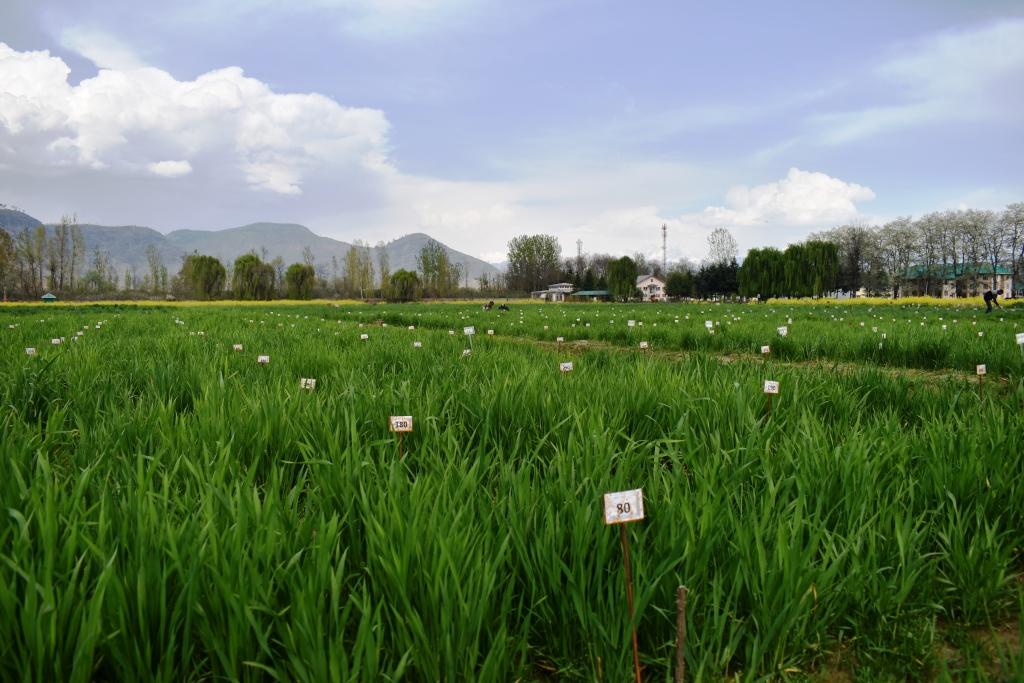
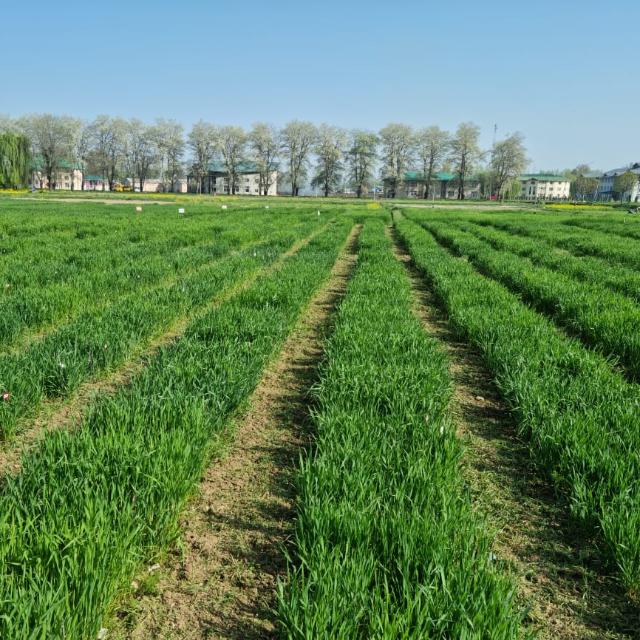
A multi-institutional mega mission program on “Germplasm Characterization and Trait Discovery in Wheat using Genomics Approaches and its Integration for Improving Climate Resilience, Productivity and Nutritional Quality”, funded by the Department of Biotechnology (DBT), Ministry of Science and Technology, Government of India, was initiated in 2020. The project involves 19 institutions from the Indian Council of Agricultural Research (ICAR), state agricultural universities, and international collaborators, with ICAR–NBPGR serving as the coordinating center. The project aims to accelerate the utilization of wheat germplasm in breeding programs to address production challenges across India, reduce yield losses, and enhance farmer income. An initial collection of ~7,000 wheat accessions was assembled, including Indian landraces, indigenous lines, NBPGR and IIWBR core sets, Iranian and Mexican landraces, historic Indian varieties, elite CIMMYT lines, BISA advanced breeding lines, and ~2,600 Indian-origin accessions repatriated from Australia, the UK, and the USA. To develop a morphological core, these accessions were evaluated across multiple locations for 16 agro-morphological traits, enabling the identification of lines with superior yield-related traits. Multi-location trials at 19 sites across five wheat-growing zones (NHZ, NWPZ, NEPZ, CZ, and PZ) systematically assessed genotypes for resistance to major biotic stresses (rusts, powdery mildew, spot blotch, Karnal bunt, Fusarium head blight), tolerance to abiotic stresses (heat, drought, salinity), and nutritional quality traits (iron, zinc, protein, amylose, fructan) to identify promising germplasm lines resistant to various biotic, abiotic traits and with improved quality traits. As part of the genomics advances, 6,740 wheat accessions were genotyped using a 35K Axiom SNP array, including 6,461 T. aestivum, 173 T. dicoccum, and 120 T. sphaerococcum accessions. A molecular core set of 656 T. aestivum accessions was constructed using Core Hunter 3 for comprehensive trait evaluation. Additionally, re-sequencing of 209 Indian wheat accessions—comprising landraces, pre-Green Revolution, and post-Green Revolution lines—was carried out to gain deeper genomic insights. Genome-wide association studies (GWAS) are underway to identify genomic regions associated with biotic and abiotic stress tolerance and key quality traits. A high-density SNP chip was also developed and validated for leaf rust resistance and amylose trait associations. These efforts contribute significantly to the conservation and effective utilization of wheat germplasm, including core collections rich in traits for productivity, stress tolerance, and nutritional quality. By leveraging this genetic diversity, the project aims to develop climate-resilient, high-performing wheat varieties with multiple desirable traits, ensuring sustainable food and nutrition security. The improved varieties, performing well across diverse environments, will strengthen the agri-food system, support the economy, and meet market and consumer demands globally.
GET STARTED