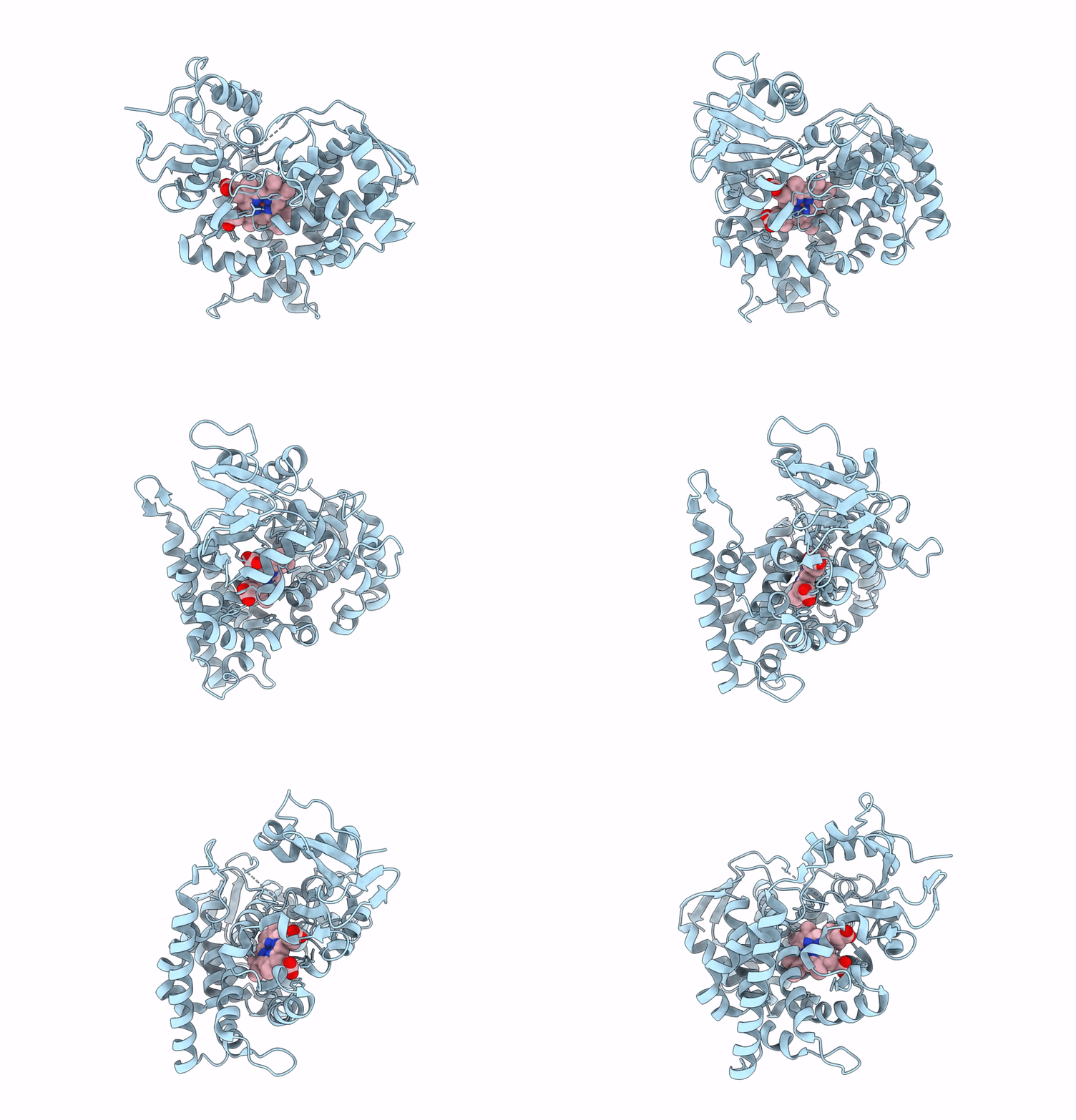
9WAT image
Deposition Date 2025-08-12
Release Date 2025-12-17
Last Version Date 2026-01-28
Entry Detail
PDB ID:
9WAT
Keywords:
Title:
Crystal structure of CYP204A3
Biological Source:
Source Organism(s):
Expression System(s):
Method Details:
Experimental Method:
Resolution:
2.10 Å
R-Value Free:
0.24
R-Value Work:
0.21
R-Value Observed:
0.21
Space Group:
P 2 21 21
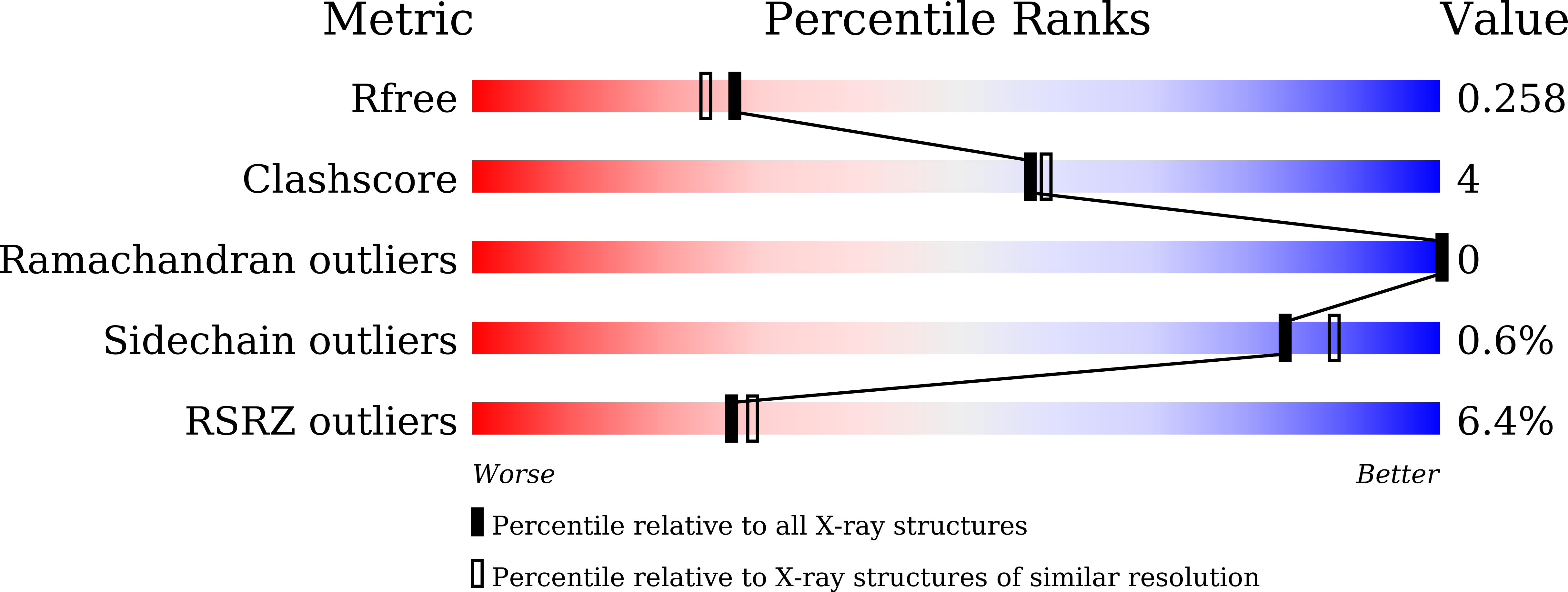
Macromolecular Entities
Polymer Type:polypeptide(L)
Molecule:Cytochrome P450
Chain IDs:A
Chain Length:440
Number of Molecules:1
Biological Source:Novosphingobium sp. 28-62-57
Ligand Molecules
Primary Citation
Unveiling cytochrome P450 enzymes that catalyze steroid side-chain cleavage in bacteria.
Nat Commun 17 581 581 (2025)
PMID: 41372208 DOI: 10.1038/s41467-025-67278-3

Abstact

Steroids are among the most valuable and widely used pharmaceuticals. The cholesterol side-chain cleavage enzyme (P450scc) is critical for steroid metabolism and hormone biosynthesis. While mammalian eukaryotic P450scc enzymes are well-characterized, bacterial counterparts remain underexplored despite their industrial promise and potential contributions to bacterial steroid catabolism. Here, we identify a series of CYP204 family P450 enzymes, widely distributed across diverse steroid-degrading bacterial species, that catalyze the side-chain cleavage of cholesterol, phytosterol, and cholestenone to produce pregnenolone and progesterone. Unlike mammalian enzymes, which exhibit strict cholesterol specificity, bacterial P450scc enzymes display relaxed substrate specificity, preferentially converting cholestenone to progesterone-a key precursor in steroid drug semi-synthesis. Structural and mechanistic analyses demonstrate that CYP204 enzymes employ a flexible, dual-regioselective C-H activation mechanism distinct from the sequential hydroxylation of mammalian P450scc enzymes. Iterative saturation mutagenesis identified critical residues for side-chain cleavage, improving catalytic efficiency up to 6.5-fold, and computational analyses clarified sequence-function relationships. This finding of bacterial P450scc enzymes not only underscores their potential function in bacterial steroid catabolism but also lays a foundation for promising biocatalytic strategies for pregnenolone and progesterone synthesis.

Legend

Protein

Chemical

Disease

Primary Citation of related structures
Feedback Form
Name
Email
Institute
Feedback