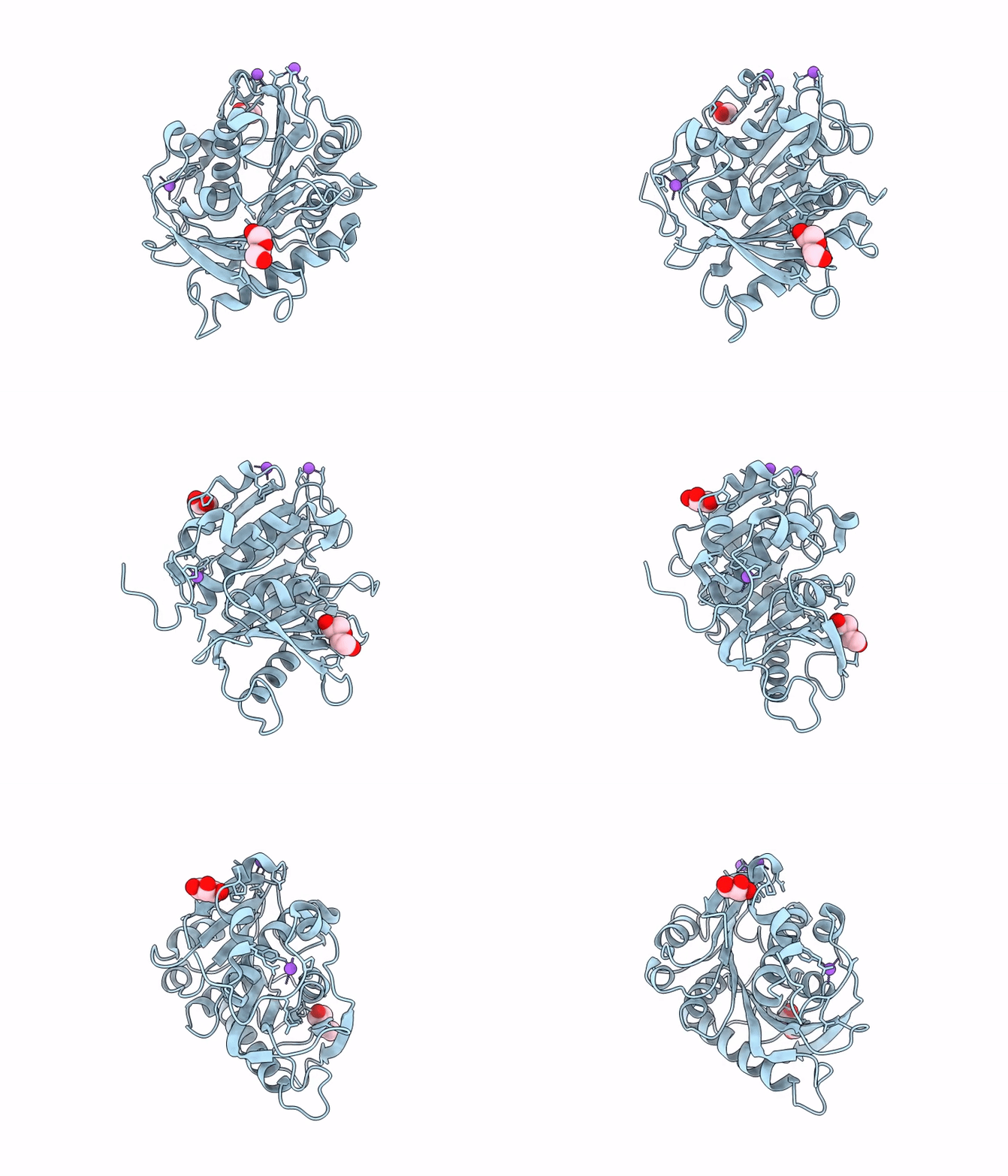
9VZR image
Deposition Date 2025-07-23
Release Date 2026-01-28
Last Version Date 2026-01-28
Entry Detail
PDB ID:
9VZR
Keywords:
Title:
MG8, a PET hydrolase enzyme from the human saliva metagenome
Biological Source:
Source Organism(s):
Pseudomonas sp. (Taxon ID: 306)
Expression System(s):
Method Details:
Experimental Method:
Resolution:
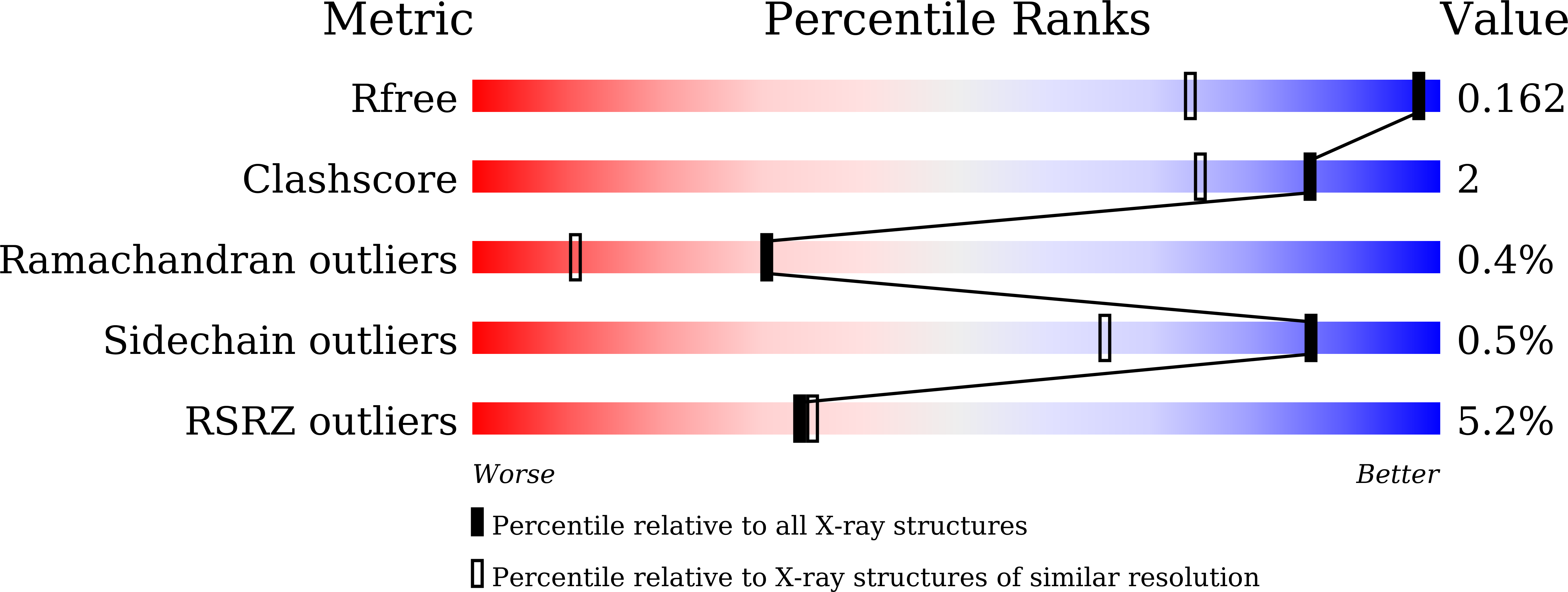
1.20 Å
R-Value Free:
0.16
R-Value Work:
0.13
R-Value Observed:
0.13
Space Group:
P 21 21 21
Macromolecular Entities
Polymer Type:polypeptide(L)
Molecule:PET hydrolase, MG8
Chain IDs:A
Chain Length:280
Number of Molecules:1
Biological Source:Pseudomonas sp.
Primary Citation
Cellular Upcycling of Polyethylene Terephthalate (PET) With an Engineered Human Saliva Metagenomic PET Hydrolase.
Chemsuschem 19 e202502560 e202502560 (2026)
PMID: 41358536 DOI: 10.1002/cssc.202502560

Abstact

Recent advances in biocatalytic recycling of polyethylene terephthalate (PET) using PET hydrolase enzymes have sparked interest in integrating PET degradation capabilities into living systems. Although cell-based strategies are limited by the mesophilic temperature constraints of microbial hosts, they offer a unique opportunity to couple PET depolymerization with biological upcycling into value-added chemicals. Here, a comprehensive approach for the cellular degradation and valorization of PET is reported. The crystal structure of MG8, a PET hydrolase identified from the human saliva metagenome is solved, and molecular dynamics simulations are used to pinpoint loop regions for targeted mutagenesis aimed at enhancing activity under moderate temperatures. Over 1000 MG8 loop variants are evaluated with a high-throughput mass spectrometric screening platform. Two catalytically improved mutants-MG8G127Y/F250A and MG8N125S/G127Y/F250A-exhibit significantly enhanced PET hydrolysis at 37°C. To enable whole-cell PET valorization, a two-strain Escherichia coli system called PETCAT is constructed: one strain is engineered to secrete MG8G127Y/F250A for PET degradation, and the other harbors a synthetic pathway comprising seven heterologous genes for the conversion of terephthalic acid (TPA) into catechol, a versatile intermediate used in pharmaceuticals and fragrances. This study establishes a modular, one-pot microbial platform for PET recycling and upcycling under physiologically relevant conditions.

Legend

Protein

Chemical

Disease

Primary Citation of related structures
Feedback Form
Name
Email
Institute
Feedback