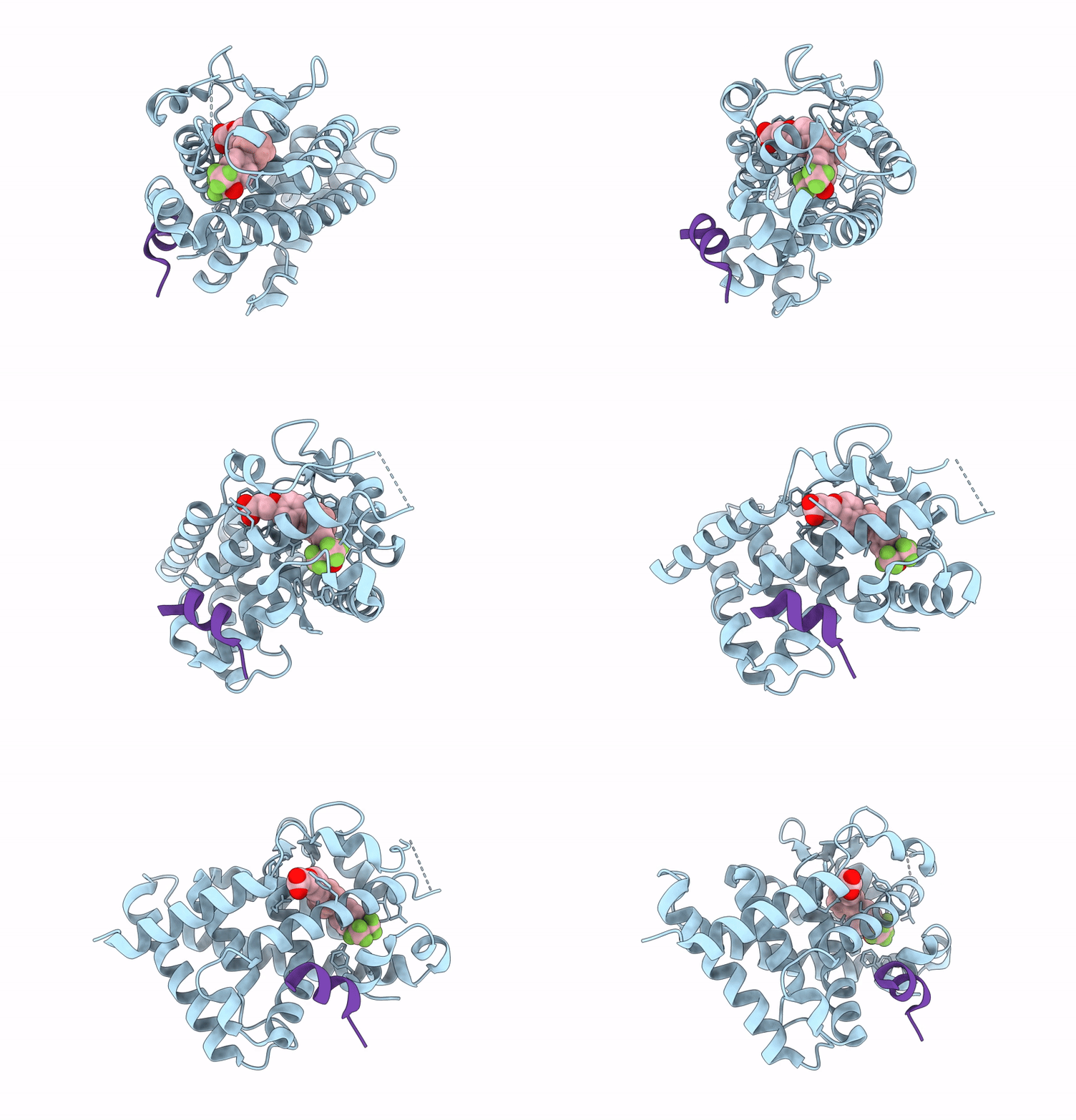
9VOI image
Deposition Date 2025-07-01
Release Date 2025-12-03
Last Version Date 2025-12-03
Entry Detail
PDB ID:
9VOI
Keywords:
Title:
Vitamin D receptor complex with a 3-{4-(m-carboran-1-yl)phenoxy}propanoic acid derivative
Biological Source:
Source Organism:
Rattus norvegicus (Taxon ID: 10116)
Homo sapiens (Taxon ID: 9606)
Host Organism:
Method Details:
Experimental Method:
Resolution:
1.93 Å
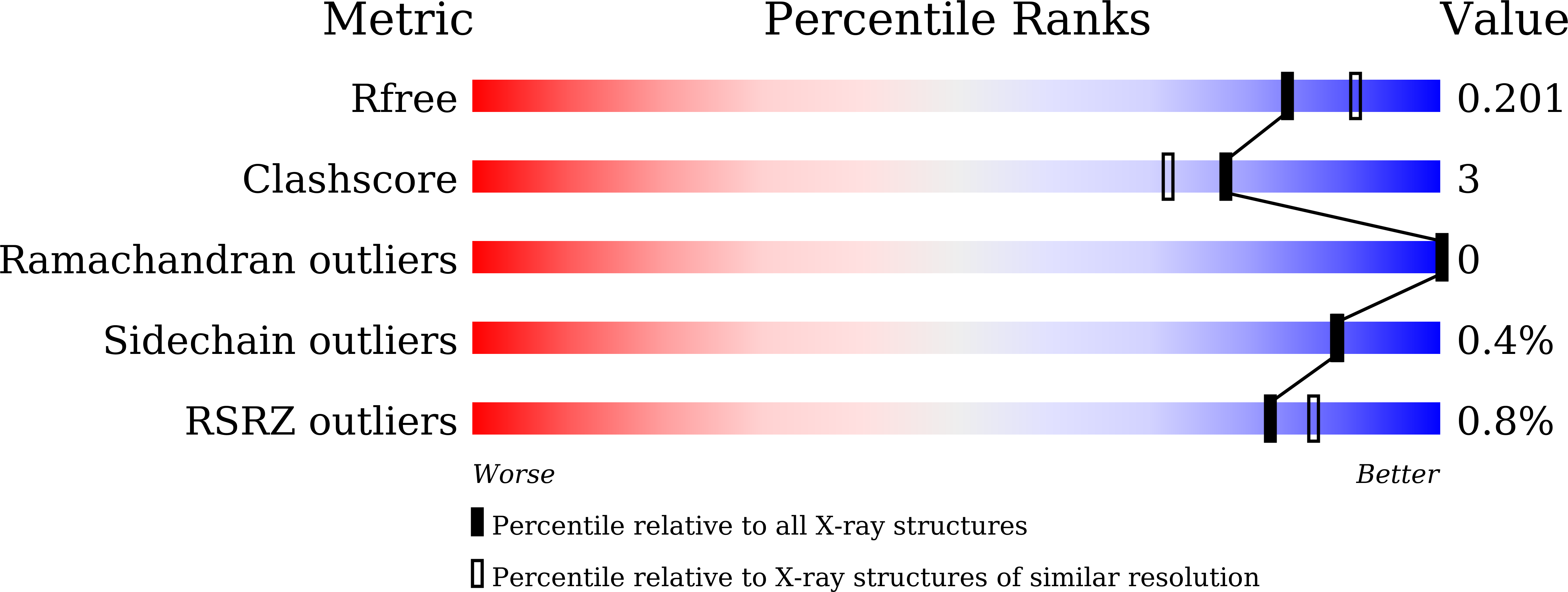
R-Value Free:
0.20
R-Value Work:
0.17
R-Value Observed:
0.17
Space Group:
C 1 2 1
Macromolecular Entities
Structures with similar UniProt ID
Protein Blast
Polymer Type:polypeptide(L)
Molecule:Vitamin D3 receptor
Gene (Uniprot):Vdr
Chain IDs:A
Chain Length:271
Number of Molecules:1
Biological Source:Rattus norvegicus
Structures with similar UniProt ID
Protein Blast
Polymer Type:polypeptide(L)
Molecule:Mediator of RNA polymerase II transcription subunit 1
Gene (Uniprot):MED1
Chain IDs:B (auth: C)
Chain Length:13
Number of Molecules:1
Biological Source:Homo sapiens
Ligand Molecules
Primary Citation
Design, synthesis and structural development of nonsecosteroidal VDR ligands based on the C,C'-diphenyl-m-carborane scaffold.
Eur.J.Med.Chem. 302 118320 118320 (2025)
PMID: 41205515 DOI: 10.1016/j.ejmech.2025.118320

Abstact

Nonsecosteroidal vitamin D receptor (VDR) ligands are promising drug candidates for multiple diseases, including osteoporosis, psoriasis, and certain cancers. We report here the design, synthesis, biological evaluation and crystallographic analysis of a series of 1,7-diphenyl-m-carborane derivatives as novel nonsecosteroidal VDR ligands. We found that the 1,7-diphenyl-m-carborane framework is a promising hydrophobic core of VDR ligands, and developed a series of potent compounds such as 12b and 13a. Interestingly, compounds with different chain length exhibited similar potencies. X-Ray co-crystal structure analysis revealed that the developed compounds exhibited various different interaction patterns depending on the structure of the carboxyalkyl chain, indicating that the ligand-binding pocket of the VDR possesses sufficient conformational plasticity to accommodate a wide variety of ligands without compromising activity. The developed carborane derivatives are promising leads for further structural development, and the findings on the diversity of binding modes will be helpful in the design of other VDR ligands.

Legend

Protein

Chemical

Disease

Primary Citation of related structures
Feedback Form
Name
Email
Institute
Feedback