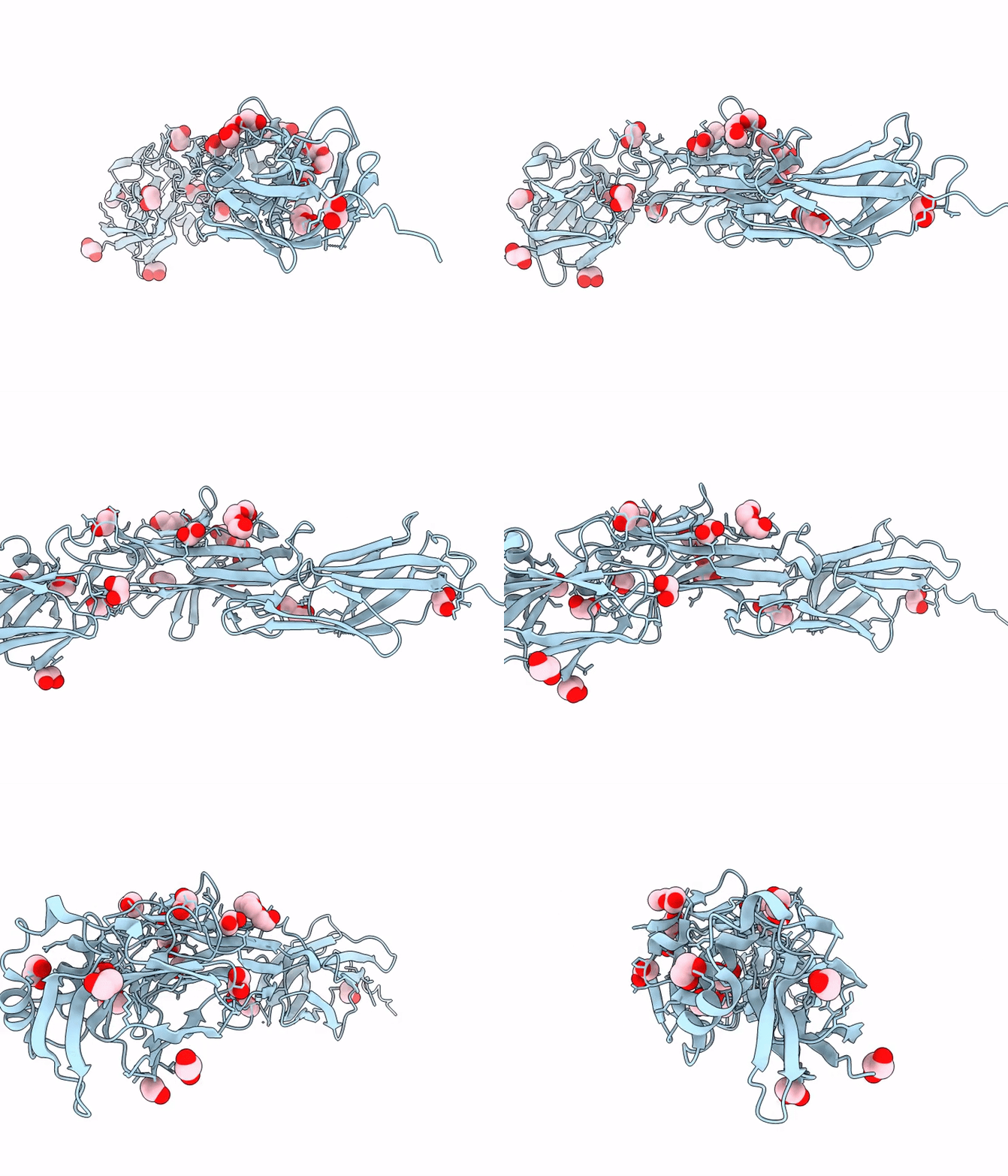
9UVM image
Deposition Date 2025-05-10
Release Date 2026-01-21
Last Version Date 2026-01-21
Entry Detail
PDB ID:
9UVM
Keywords:
Title:
The SeMet pili protein of Streptococcus Sanguinis
Biological Source:
Source Organism(s):
Expression System(s):
Method Details:
Experimental Method:
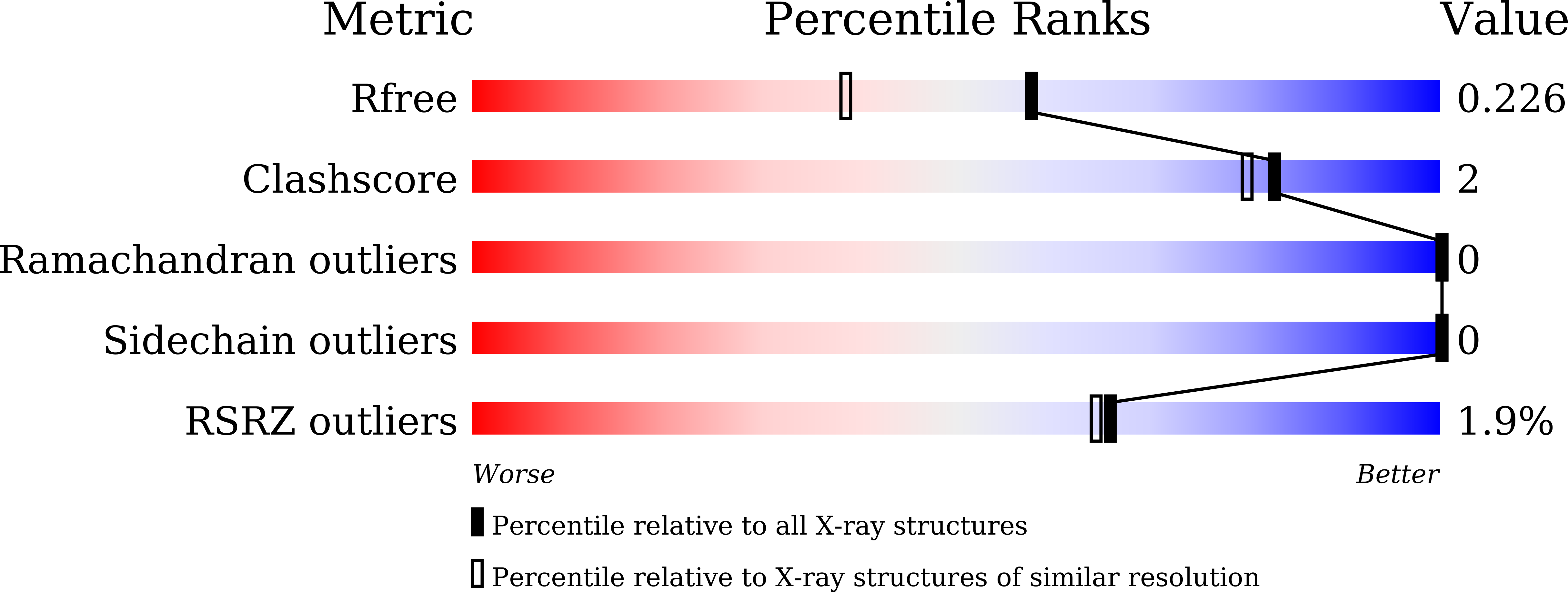
Resolution:
1.80 Å
R-Value Free:
0.22
R-Value Work:
0.20
R-Value Observed:
0.20
Space Group:
P 21 21 21
Macromolecular Entities
Structures with similar UniProt ID
Protein Blast
Polymer Type:polypeptide(L)
Molecule:FimA fimbrial subunit-like protein, putative
Gene (Uniprot):SSA_1633
Chain IDs:A
Chain Length:479
Number of Molecules:1
Biological Source:Streptococcus sanguinis SK36
Modified Residue
Compound ID Chain ID Parent Comp ID Details 2D Image
MSE A MET modified residue
Primary Citation
Combined structural and FMO-based insights into shaft pilin polymerization mechanism in Streptococcus sanguinis.
Int.J.Biol.Macromol. 332 148264 148264 (2025)
PMID: 41086886 DOI: 10.1016/j.ijbiomac.2025.148264

Abstact

Bacterial pili are proteinaceous polymers that facilitate diverse biological functions. The SK36 strain of oral commensal bacterium Streptococcus sanguinis harbors sortase-assembled pili consisting of four proteins; PilA, PilB, PilC, and PilX. However, details regarding their structures and assembly mechanisms remain unclear. The crystal structures of recombinant PilA and PilB backbone pilins were examined at resolutions of 3.2 Å and 1.8 Å, respectively. Both exhibit a three-domain architecture (domains 1-3 from N- to C- terminus) with intramolecular isopeptide bonds in domains 2 and 3, and a positively charged, highly hydrophobic cleft in domain 1. Notably, while alignment along the same axis within the crystal was noted, their molecular orientations differ, as PilA maintains identical orientations (linear form), whereas PilB molecules are flipped 180° relative to each other (helical form). Both recognize the conserved ALLPNT sequence of domain 3 via the domain 1 cleft. Fragment molecular orbital calculations revealed no significant energetic differences between the linear and helical forms, with interactions predominantly mediated by C-terminal asparagine and threonine residues. Immunoblot analysis confirmed intermolecular isopeptide bond formation between threonine and conserved lysine residues at the domain 1-2 interface. The preceding glycine residue in the GALLPNT sequence may serve as a flexible pivot, enabling transitions between both forms. Since PilA, PilB, and PilC contain the GALLPNT sequence and could interconnect, the observations of domain 1-mediated recognition of the domain 3 C-terminal region indicate a fundamental mechanism governing S. sanguinis pilus assembly. These findings provide molecular-based insight into sortase-mediated pilus biogenesis in Gram-positive bacteria.

Legend

Protein

Chemical

Disease

Primary Citation of related structures
Feedback Form
Name
Email
Institute
Feedback