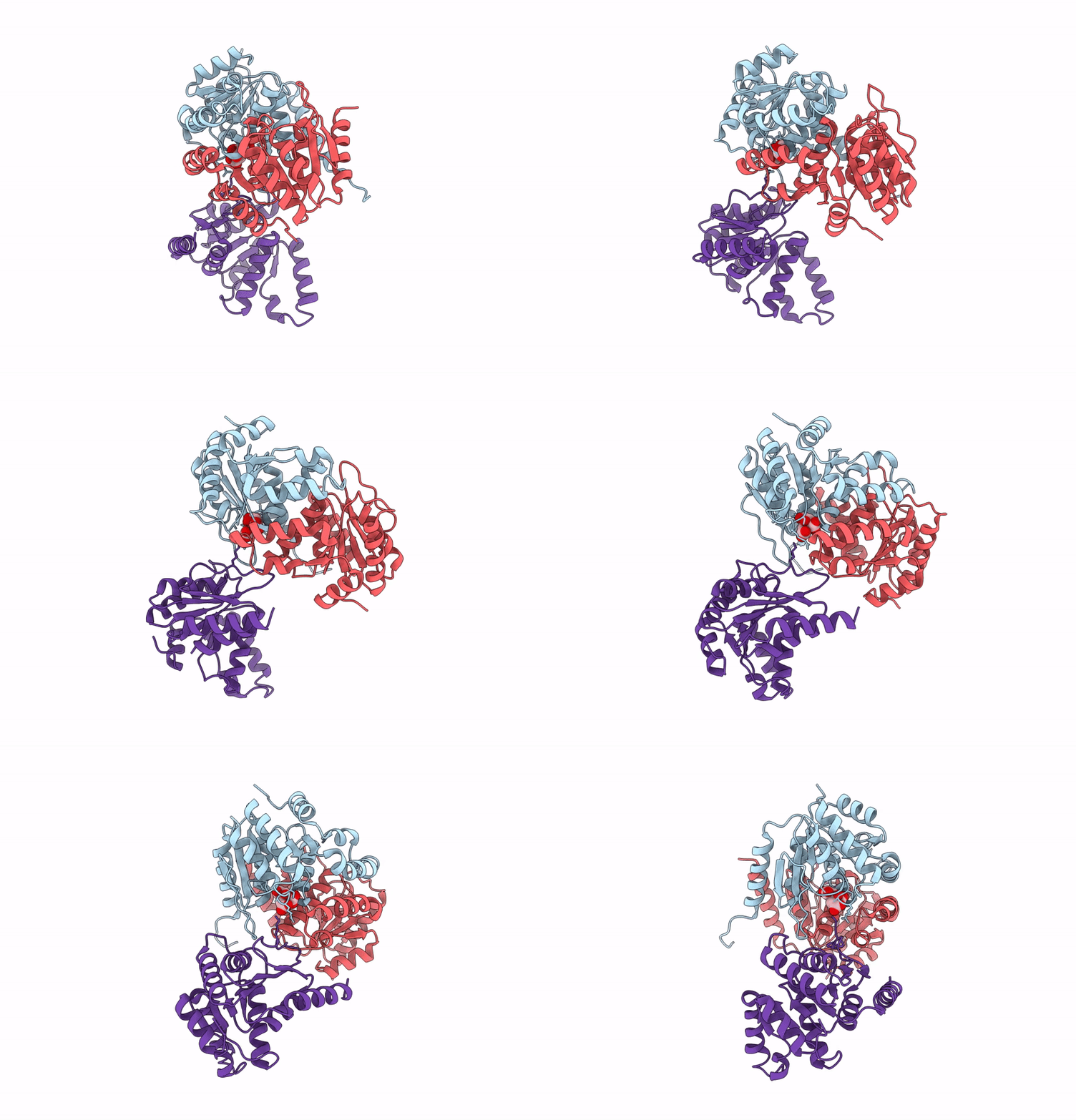
9US2 image
Deposition Date 2025-05-01
Release Date 2025-08-06
Last Version Date 2025-11-12
Entry Detail
PDB ID:
9US2
Keywords:
Title:
Crystal structure of YgdH from Neisseria meningitidis
Biological Source:
Source Organism:
Method Details:
Experimental Method:
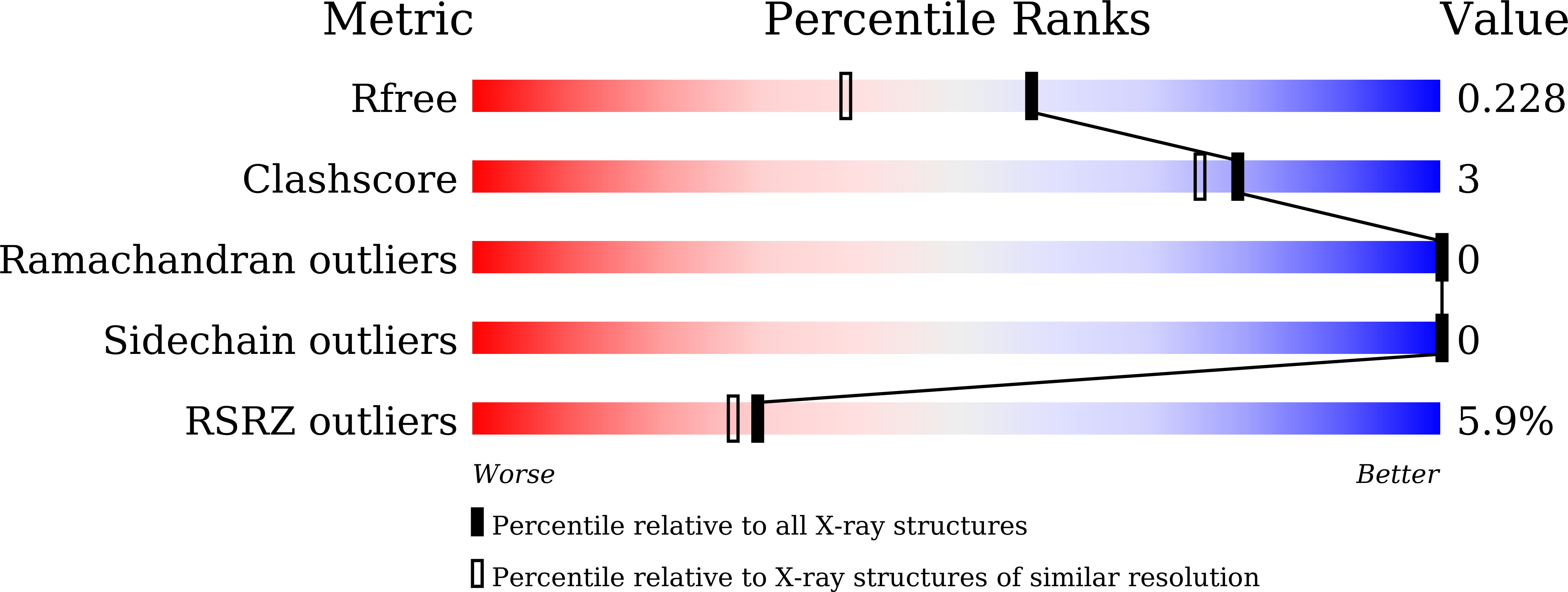
Resolution:
1.80 Å
R-Value Free:
0.22
R-Value Work:
0.20
R-Value Observed:
0.20
Space Group:
C 2 2 21
Macromolecular Entities
Structures with similar UniProt ID
Protein Blast
Polymer Type:polypeptide(L)
Molecule:Cytokinin riboside 5'-monophosphate phosphoribohydrolase
Gene (Uniprot):ygdH
Chain IDs:A, B, C
Chain Length:210
Number of Molecules:3
Biological Source:Neisseria meningitidis
Ligand Molecules
Primary Citation
A combined pseudouridine biomanufacturing platform enabled by a streamlined designer pathway.
Nat Commun 16 8866 8866 (2025)
PMID: 41053063 DOI: 10.1038/s41467-025-63906-0

Abstact

mRNA vaccines, featured by incorporated pseudouridine (Ψ), represent a milestone in combating diseases, thus highlighting Ψ importance in drug development. However, economic and environmental challenges have persisted in sustainable Ψ production. Here, we formulate a streamlined designer Ψ pathway, comprising UMP nucleosidase, ΨMP glycosidase, and ΨMP phosphatase, and realize its gram-scale production by targeted discovery of a prominent UMP-preferred nucleosidase (NmYgdH). The optimized pathway, containing NmYgdH, RjPsuG (ΨMP glycosidase), and HDHD1 (ΨMP-specific phosphatase) is cloned into E. coli and systematic evaluation of multiple strategies achieves a Ψ titer of 44.8 g·L-1. Moreover, a thyA-dependent, tunable, and eco-friendly strategy for sustainable Ψ production is demonstrated in a 5 L bioreactor achieving titer of 45.3 g·L-1. Finally, we establish a simplified-strategy for rapid Ψ purification with a recovery-rate of 71%, and techno-economic analysis is employed to validate the feasibility and advantages of this fermentation platform for Ψ biomanufacturing. Therefore, this study provides a blueprint for industrial-production of nucleoside-related molecules.

Legend

Protein

Chemical

Disease

Primary Citation of related structures
Feedback Form
Name
Email
Institute
Feedback