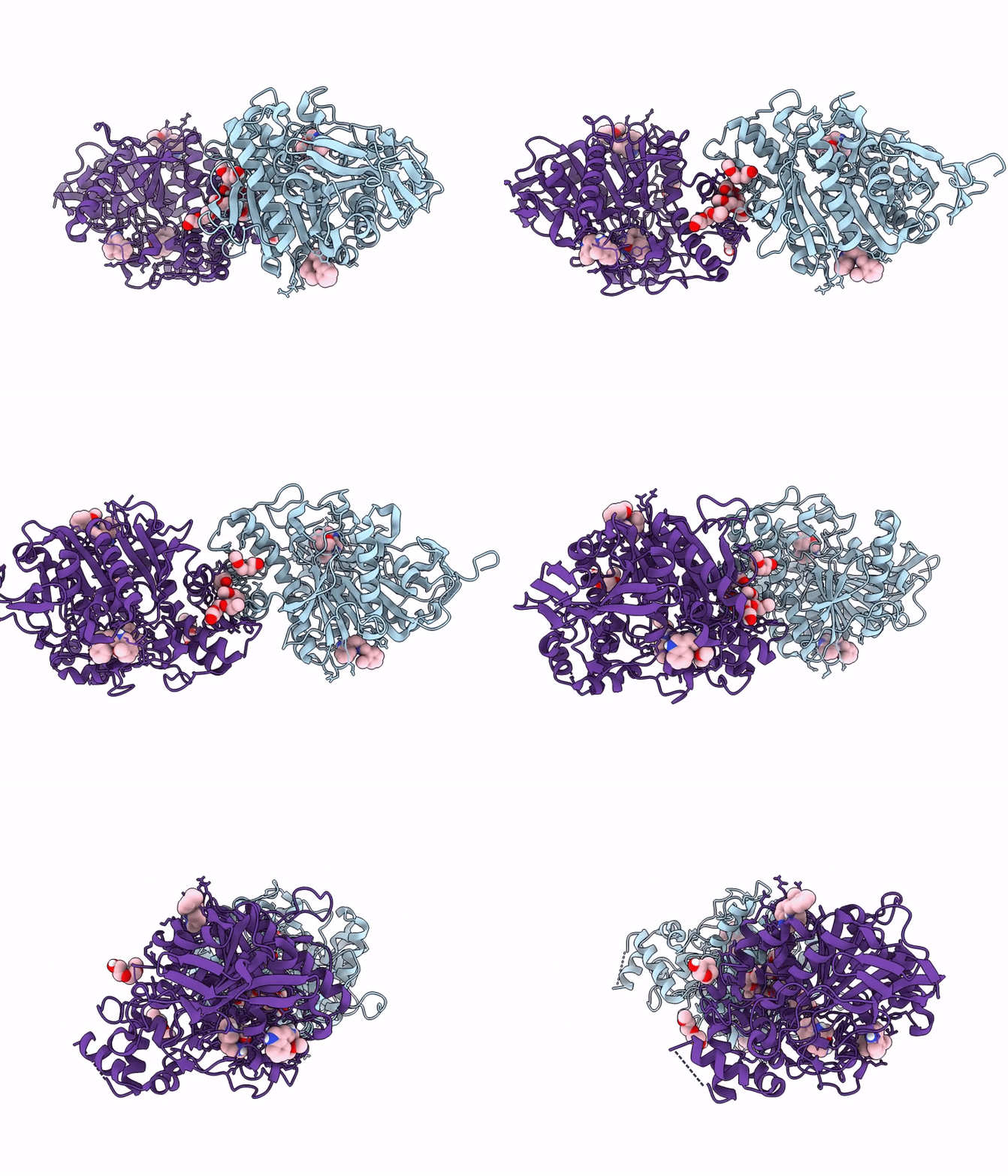
9SND image
Deposition Date 2025-09-10
Release Date 2026-01-28
Last Version Date 2026-01-28
Entry Detail
PDB ID:
9SND
Keywords:
Title:
Mus musculus acetylcholinesterase in complex with 2-(1H-indol-3-yl)-N-(2-methoxybenzyl)ethan-1-amine
Biological Source:
Source Organism(s):
Mus musculus (Taxon ID: 10090)
Expression System(s):
Method Details:
Experimental Method:
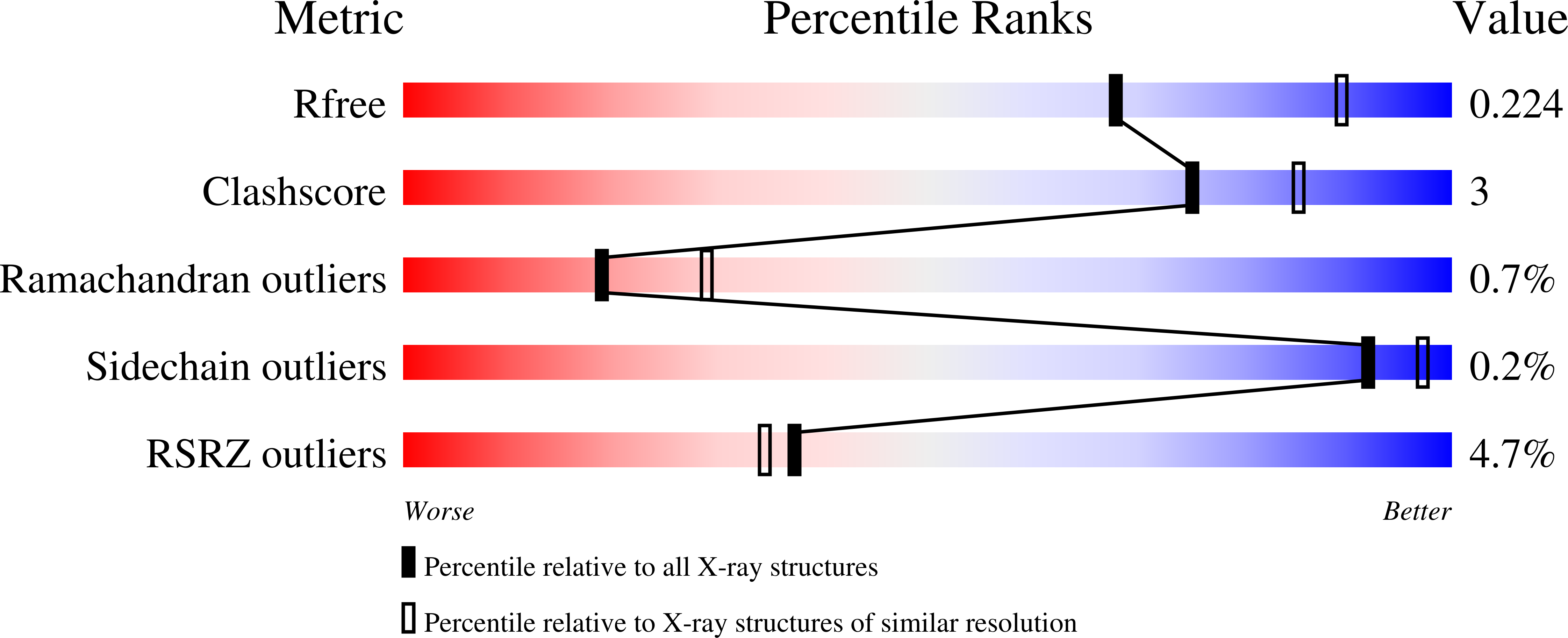
Resolution:
2.40 Å
R-Value Free:
0.22
R-Value Work:
0.20
R-Value Observed:
0.20
Space Group:
P 21 21 21
Macromolecular Entities
Structures with similar UniProt ID
Protein Blast
Polymer Type:polypeptide(L)
Molecule:Acetylcholinesterase
Gene (Uniprot):Ache
Chain IDs:A, B
Chain Length:543
Number of Molecules:2
Biological Source:Mus musculus
Primary Citation
Potent and selective indole-based inhibitors targeting disease-transmitting mosquitoes.
Rsc Med Chem ? ? ? (2025)
PMID: 41551022 DOI: 10.1039/d5md00797f

Abstact

Vector control with insecticides is an important preventive measure against mosquito-borne infectious diseases, such as malaria and dengue. The intensive usage of few insecticides has resulted in emerging resistance in mosquitoes, and unwanted off-target toxic effects. Therefore, there is great interest in alternative active ingredients. Here, we explore indole-based compounds as selective inhibitors against acetylcholinesterase 1 (AChE1) from the disease-transmitting mosquitoes Anopheles gambiae (An. gambiae, AgAChE1) and Aedes aegypti (Ae. aegypti, AeAChE1) as potential candidates for future insecticides used in vector control. Three sets of compounds were designed to explore their structure-activity relationship, and investigate their potentials regarding potency and selectivity. 26 indole-based compounds were synthesized and biochemically evaluated for inhibition against AgAChE1, AeAChE1, and human AChE (hAChE). The compounds were shown to be potent inhibitors against AChE1, and selective for AChE1 over hAChE. N-Methylation of the indole moiety clearly increased the inhibition potency, and a bulkier benzyl moiety improved the selectivity. X-ray crystallography shows that the inhibitors bind at the bottom of the active site gorge of mouse AChE (mAChE), while molecular dynamics simulations revealed different binding poses in mAChE and AgAChE1. Four potent and selective inhibitors were subjected to in vivo mosquito testing. Topical application showed strong insecticidal effects on An. gambiae and Ae. aegypti, highlighting this compound class as an interesting alternative for future insecticide research.

Legend

Protein

Chemical

Disease

Primary Citation of related structures
Feedback Form
Name
Email
Institute
Feedback