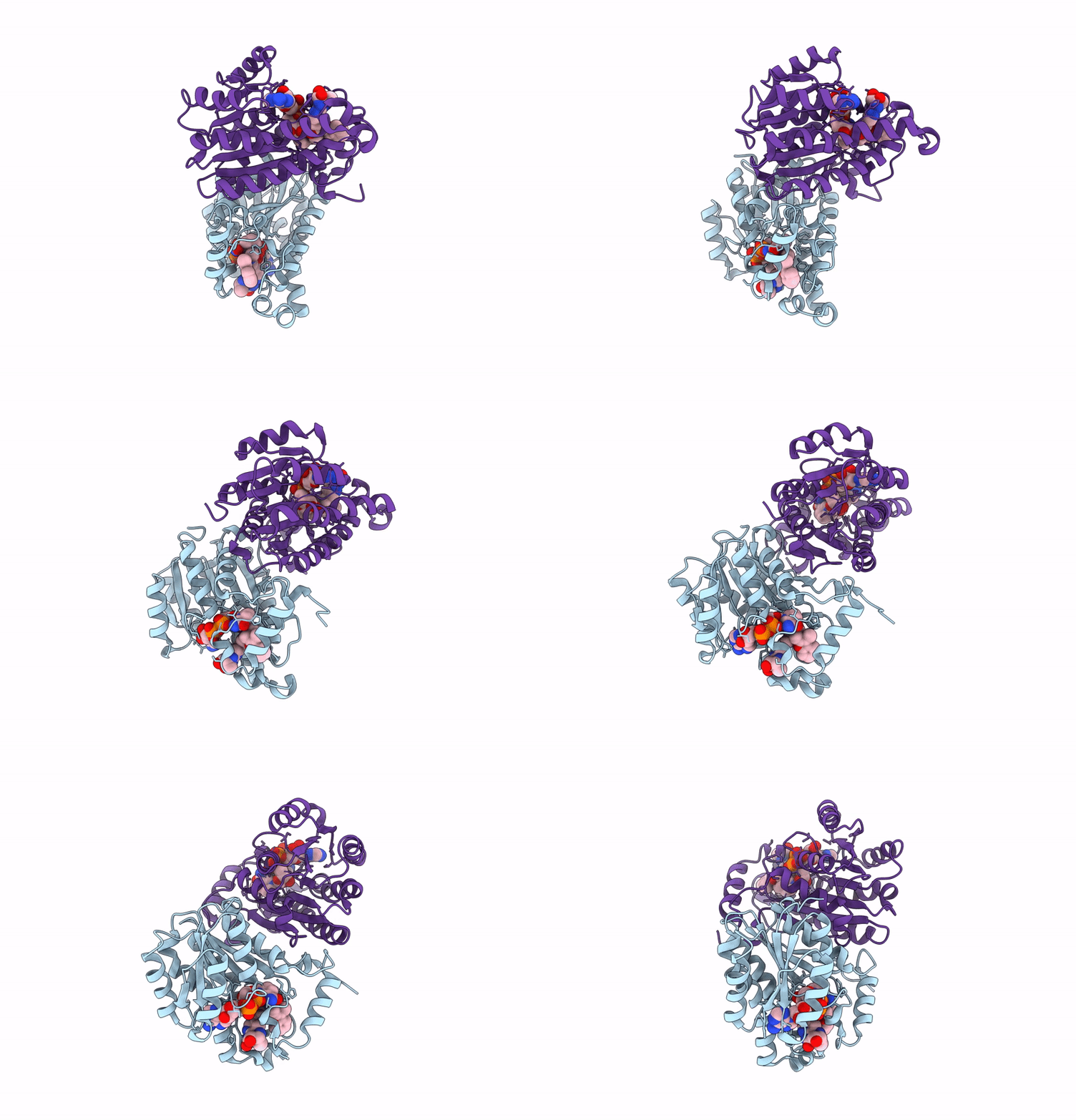
9S5X image
Deposition Date 2025-07-30
Release Date 2025-08-20
Last Version Date 2025-10-01
Entry Detail
PDB ID:
9S5X
Keywords:
Title:
Crystal structure of Neisseria gonorrhoeae FabI in complex with NADH and (E)-3-((2R,3S)-3-hydroxy-2-methyl-4-oxo-2,3,4,5-tetrahydro-1H-pyrido[2,3-b][1,4]diazepin-8-yl)-N-methyl-N-((3-methylbenzofuran-2-yl)methyl)acrylamide
Biological Source:
Source Organism:
Host Organism:
Method Details:
Experimental Method:
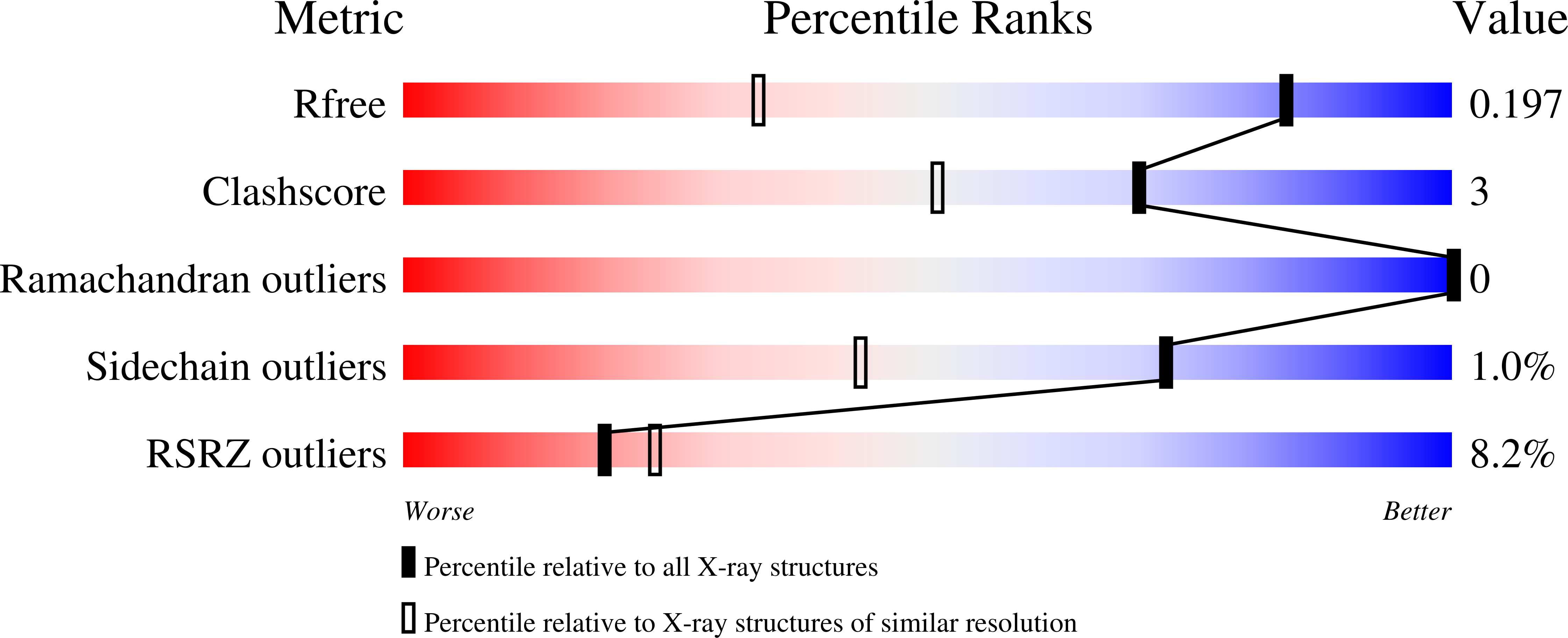
Resolution:
1.34 Å
R-Value Free:
0.19
R-Value Work:
0.16
R-Value Observed:
0.16
Space Group:
P 61 2 2
Macromolecular Entities
Structures with similar UniProt ID
Protein Blast
Polymer Type:polypeptide(L)
Molecule:Enoyl-[acyl-carrier-protein] reductase [NADH]
Gene (Uniprot):NGO_1666
Chain IDs:A, B
Chain Length:281
Number of Molecules:2
Biological Source:Neisseria gonorrhoeae
Primary Citation
The bactericidal FabI inhibitor Debio 1453 clears antibiotic-resistant Neisseria gonorrhoeae infection in vivo.
Nat Commun 16 8309 8309 (2025)
PMID: 40968127 DOI: 10.1038/s41467-025-63508-w

Abstact

Gonorrhoea is a prevalent sexually transmitted infection caused by the bacterial pathogen Neisseria gonorrhoeae. N. gonorrhoeae has demonstrated a remarkable capacity to evolve antibiotic resistance, with emerging strains that show resistance to all standard treatment options. The development of new antibiotics for gonorrhoea, especially those with novel targets and no pre-existing resistance, is critical. One such untapped antibacterial target in N. gonorrhoeae is FabI, an enoyl-acyl carrier protein reductase enzyme that is essential for fatty acid biosynthesis in this pathogen. In the current report, structure-based drug design using novel N. gonorrhoeae FabI inhibitor co-crystals guides medicinal chemistry toward increasing potency in the sub-nanomolar range and drives the discovery of Debio 1453. Debio 1453 is optimized for activity against N. gonorrhoeae and is highly active in vitro against diverse N. gonorrhoeae isolates including those resistant to the last remaining treatment options. Additionally, the compound presents a low propensity for selection of mutants with reduced susceptibility. Debio 1453 is efficacious in vivo against N. gonorrhoeae isolates with clinically relevant multi-drug resistance phenotypes in a murine vaginal gonorrhoea infection model underscoring Debio 1453 as a promising candidate for the treatment of gonorrhoea.

Legend

Protein

Chemical

Disease

Primary Citation of related structures
Feedback Form
Name
Email
Institute
Feedback