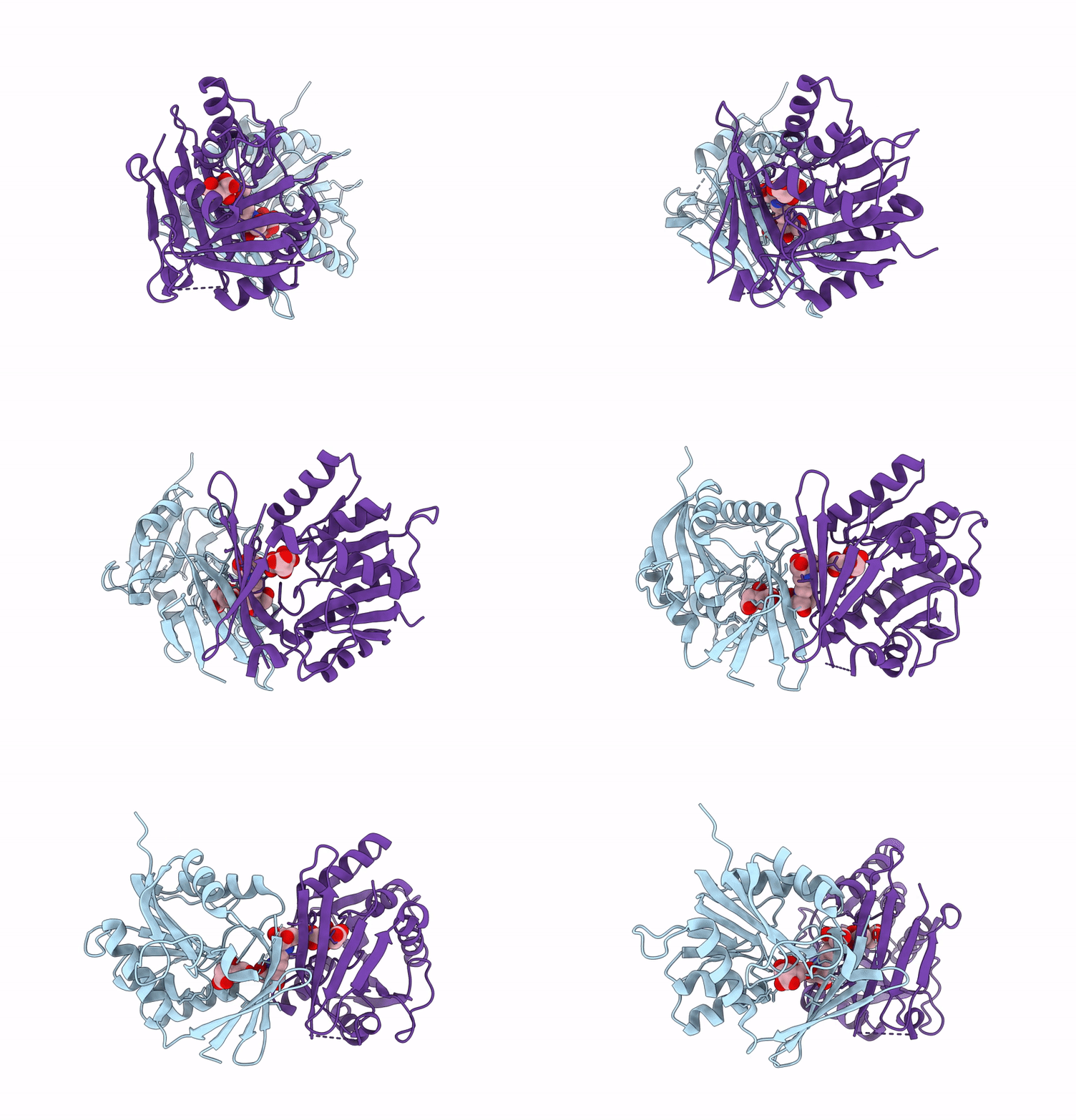
9RI2 image
Deposition Date 2025-06-10
Release Date 2025-12-10
Last Version Date 2025-12-17
Entry Detail
PDB ID:
9RI2
Keywords:
Title:
Crystal structure of bacillithiol methyltransferase NmbA from Chlorobaculum tepidum
Biological Source:
Source Organism(s):
Expression System(s):
Method Details:
Experimental Method:
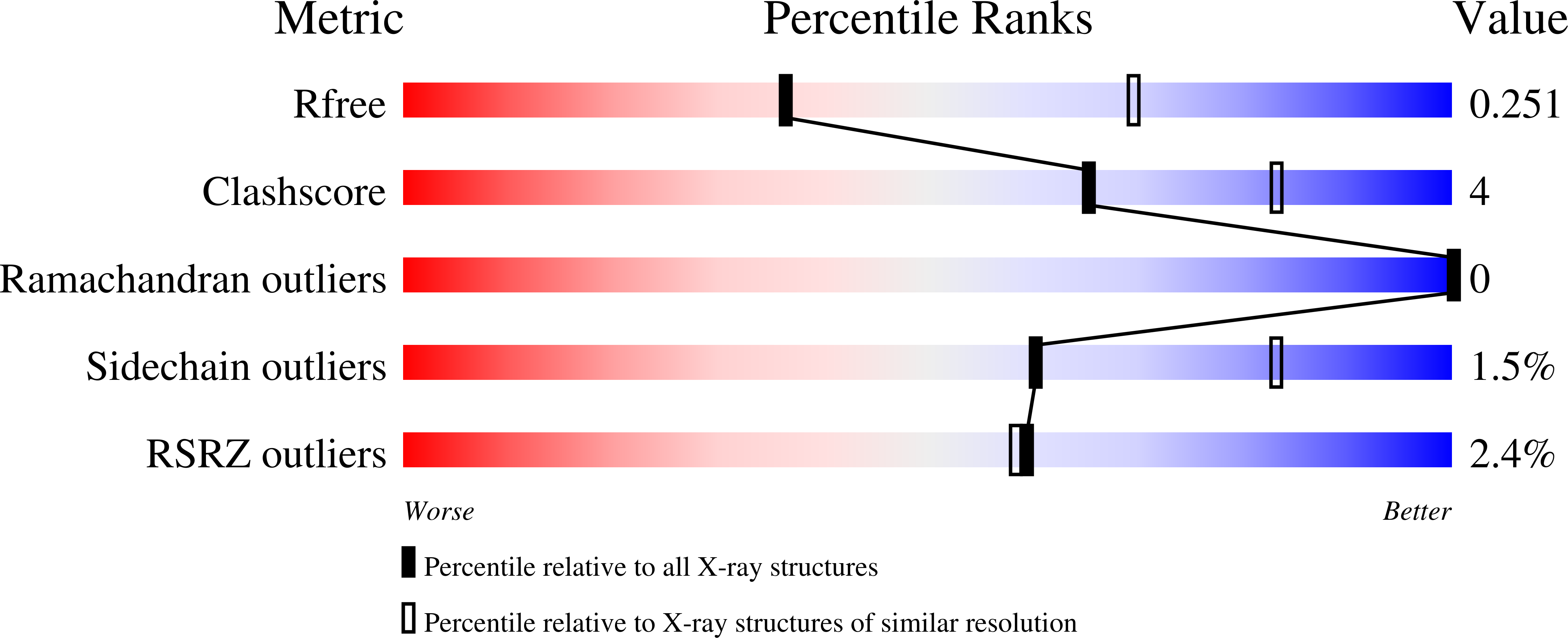
Resolution:
2.70 Å
R-Value Free:
0.25
R-Value Work:
0.21
R-Value Observed:
0.21
Space Group:
P 21 21 21
Macromolecular Entities
Structures with similar UniProt ID
Protein Blast
Polymer Type:polypeptide(L)
Molecule:Methyltransferase, putative
Gene (Uniprot):CT1040
Chain IDs:A, B
Chain Length:266
Number of Molecules:2
Biological Source:Chlorobaculum tepidum TLS
Primary Citation
The methyltransferase NmbA methylates the low-molecular weight thiol bacillithiol, and displays a specific structural architecture.
Redox Biol 88 103937 103937 (2025)
PMID: 41338164 DOI: 10.1016/j.redox.2025.103937

Abstact

Low-molecular-weight (LMW) thiols maintain the cellular redox balance and protect cells against reactive species, heavy metals, toxins, and antibiotics. Despite having similar metabolic functions, structurally distinct LMW thiols are widespread in nature, with bacillithiol (BSH) being the predominant LMW thiol in bacteria. The LMW thiol N-methyl-BSH (N-Me-BSH) has been identified in the green sulfur bacterium Chlorobaculum tepidum, revealing the presence of a putative S-adenosyl-l-methionine (SAM)-dependent methyltransferase (MT), NmbA, which could catalyze the final biosynthetic step of N-Me-BSH. In this study, we report biochemical evidence for NmbA's specific function as an MT of the N-atom of the BSH cysteine moiety. We also present the crystal structure of NmbA, confirming that NmbA is a Class I SAM-dependent MT, however, displaying a unique three-dimensional architecture that differs from those of other natural product MTs (NPMTs). The NmbA active site has a narrow molecular basket structure resulting from an unusual organization of the variable Cap domain, and our docking calculations suggests that it can specifically accommodate the BSH substrate. Our research provides a valuable overview of the phylogenetic distribution of N-Me-BSH in bacteria, alongside essential functional and structural insight into a new class of N-directed NPMTs. These findings contribute to the field of SAM-dependent MTs and may allow for targeting distinct bacterial defense mechanisms involving LMW thiols with potential environmental, biotechnological, and medical implications.

Legend

Protein

Chemical

Disease

Primary Citation of related structures
Feedback Form
Name
Email
Institute
Feedback