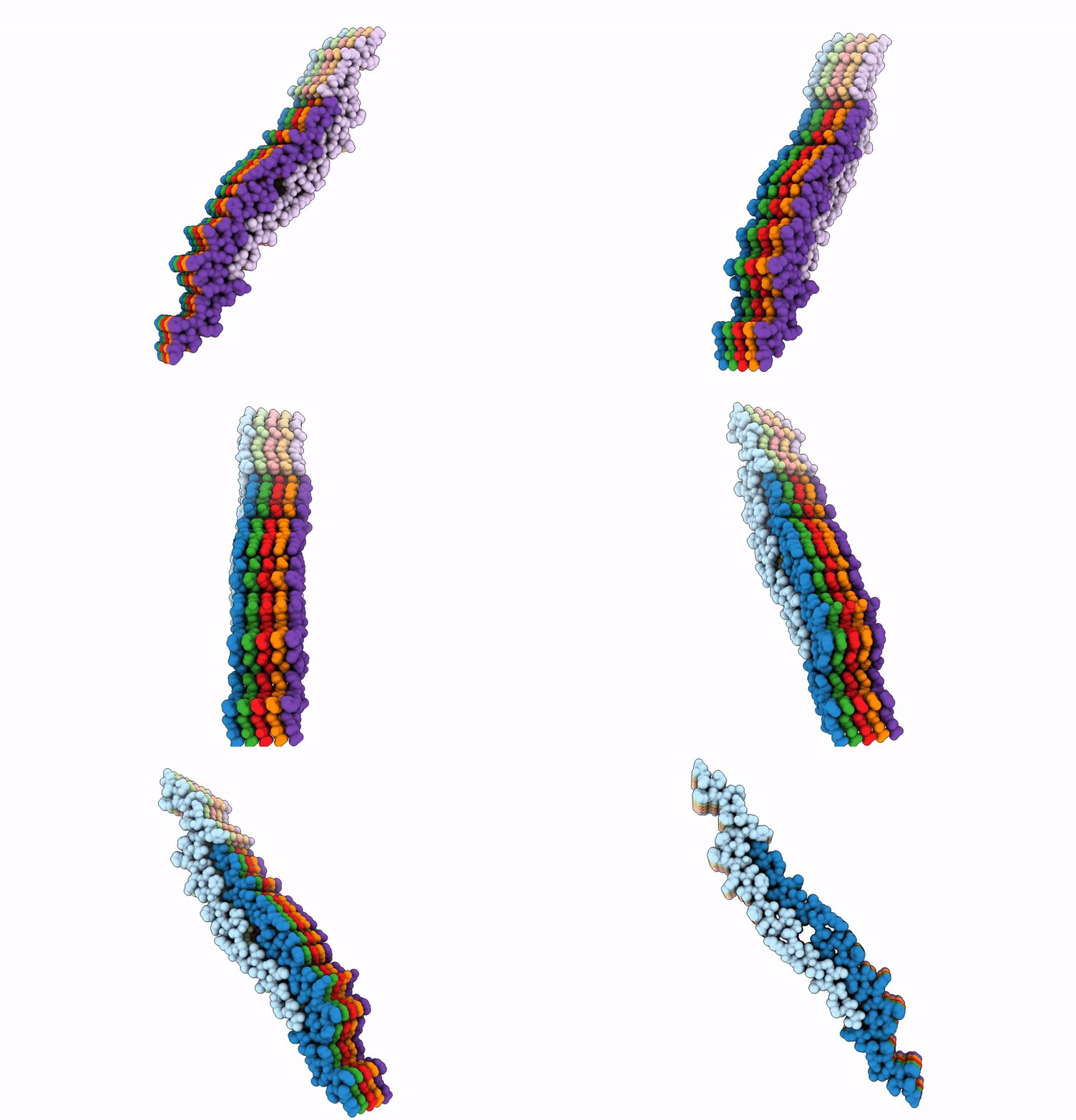
9RAX image
Deposition Date 2025-05-21
Release Date 2025-10-15
Last Version Date 2025-10-15
Entry Detail
PDB ID:
9RAX
Keywords:
Title:
The L1 amyloid-beta(1-40)fibril in the presence of anle138b (pre-treatment)
Biological Source:
Source Organism:
Homo sapiens (Taxon ID: 9606)
Method Details:
Experimental Method:
Resolution:
2.76 Å
Aggregation State:
FILAMENT
Reconstruction Method:
HELICAL
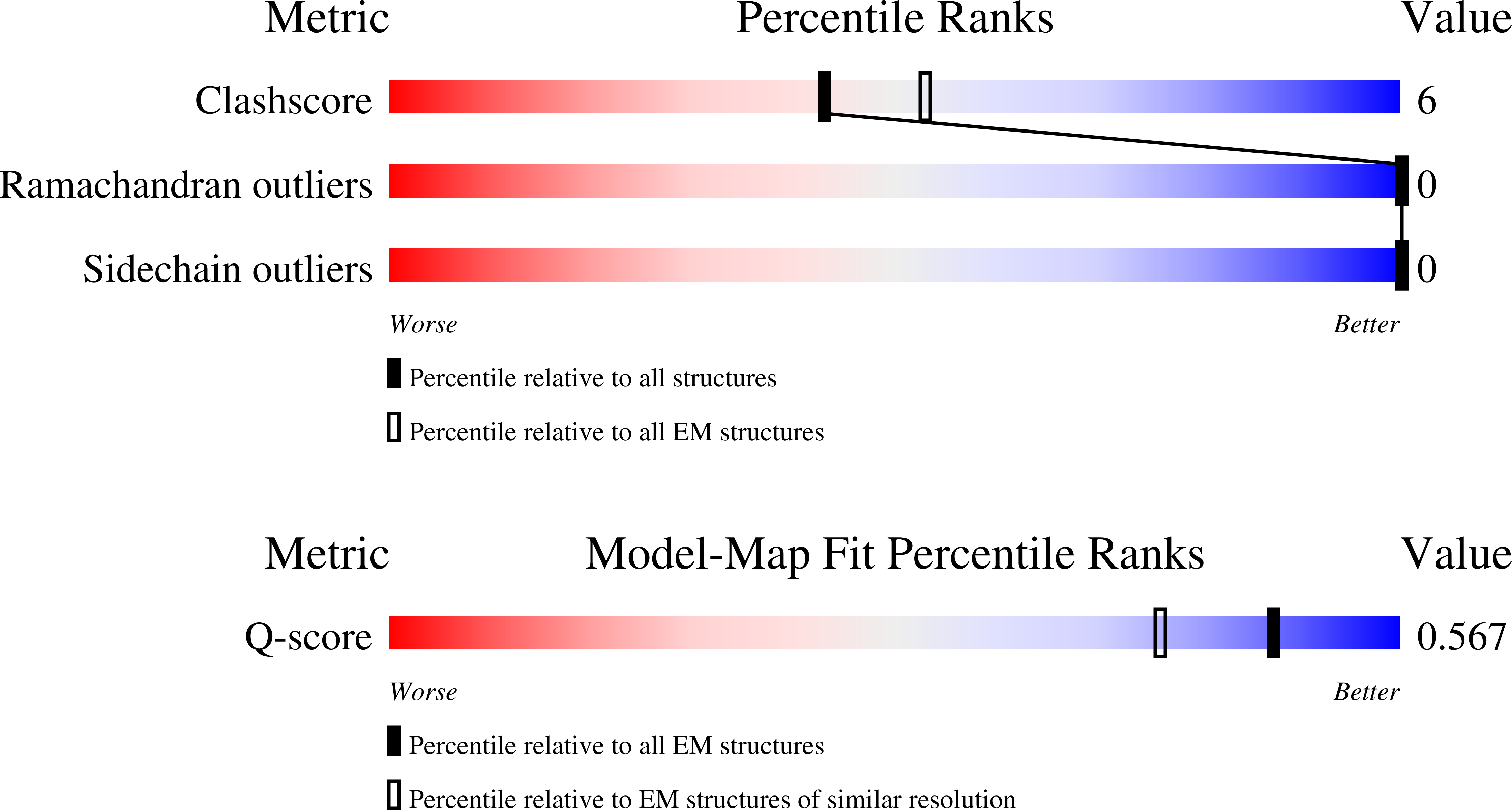
Macromolecular Entities
Structures with similar UniProt ID
Protein Blast
Polymer Type:polypeptide(L)
Molecule:Amyloid-beta A4 protein
Chain IDs:A, B, C, D, E, F, G, H, I, J
Chain Length:40
Number of Molecules:10
Biological Source:Homo sapiens
Ligand Molecules
Primary Citation
Anle138b binds predominantly to the central cavity in lipidic A beta 40 fibrils and modulates fibril formation.
Nat Commun 16 8850 8850 (2025)
PMID: 41044155 DOI: 10.1038/s41467-025-64443-6

Abstact

Alzheimer's disease is a specific neurodegenerative disorder, distinct from normal aging, with a growing unmet medical need. It is characterized by the accumulation of amyloid plaques in the brain, primarily consisting of amyloid beta (Aβ) fibrils. Therapeutic antibodies can slow down the disease, but are associated with potential severe side effects, motivating the development of small molecules to halt disease progression. This study investigates the interaction between the clinical drug candidate small molecule anle138b and lipidic Aβ₄₀ fibrils of type 1 (L1). L1 fibrils were previously shown to closely resemble fibrils from Alzheimer's patients. Using high-resolution structural biology techniques, including cryo-electron microscopy (cryo-EM), nuclear magnetic resonance (NMR) spectroscopy enhanced by dynamic nuclear polarization (DNP), and molecular dynamics (MD) simulations, we find that anle138b selectively binds to a cavity within the fibril. This structural insight provides a deeper understanding of a potential drug-binding mechanism at the atomic level and may inform the development of therapies and diagnostic approaches. In addition, anle138b reduces fibril formation in the presence of lipids by approximately 75%. This may suggest a mechanistic connection to its previously reported activity in animal models of Alzheimer's disease.

Legend

Protein

Chemical

Disease

Primary Citation of related structures
Feedback Form
Name
Email
Institute
Feedback