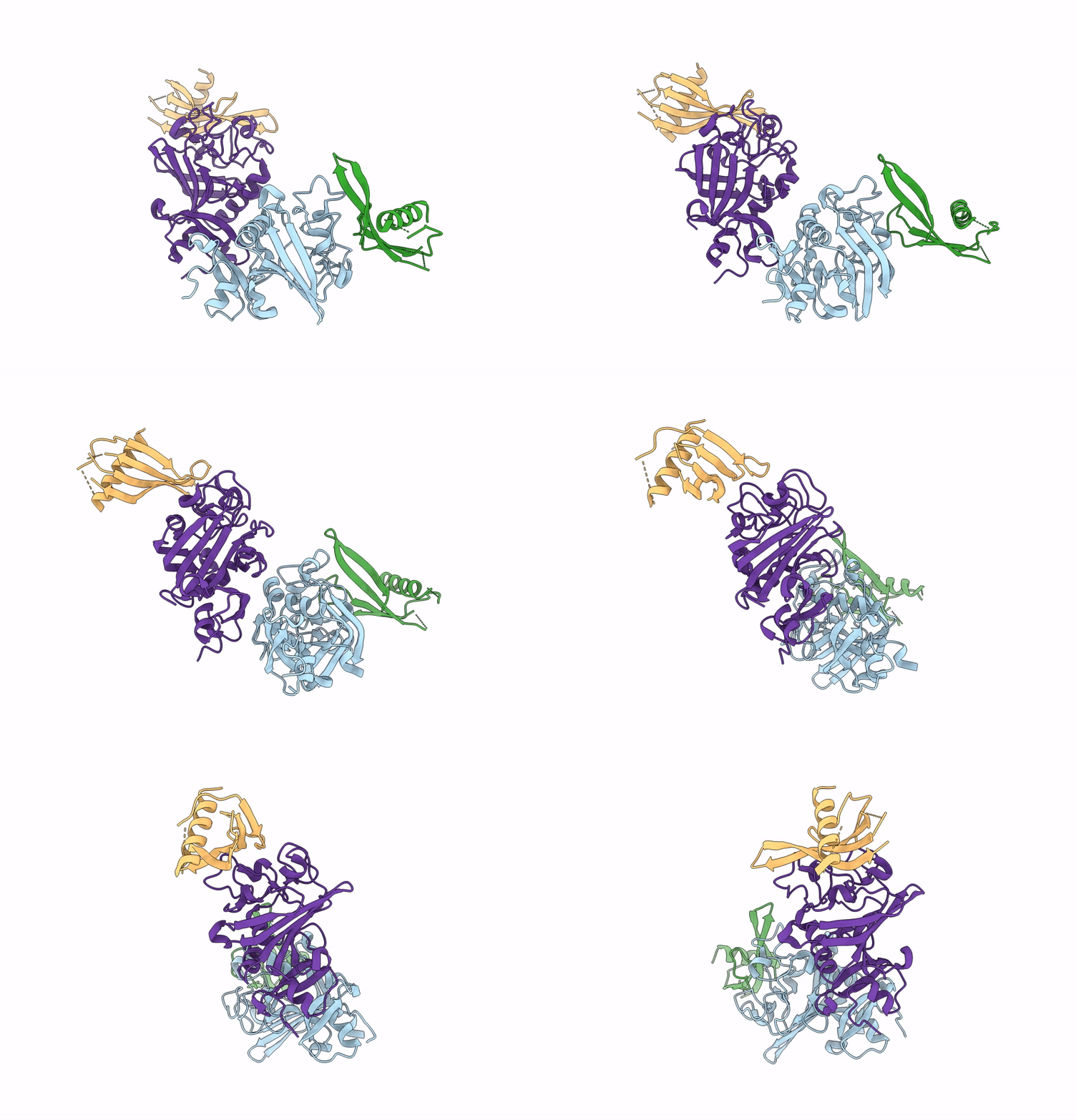
9R5Y image
Deposition Date 2025-05-11
Release Date 2025-06-18
Last Version Date 2025-12-10
Entry Detail
PDB ID:
9R5Y
Title:
Crystal structure of the C-terminal domain of human TNC in complex with Adhiron 52
Biological Source:
Source Organism:
Method Details:
Experimental Method:
Resolution:
1.40 Å
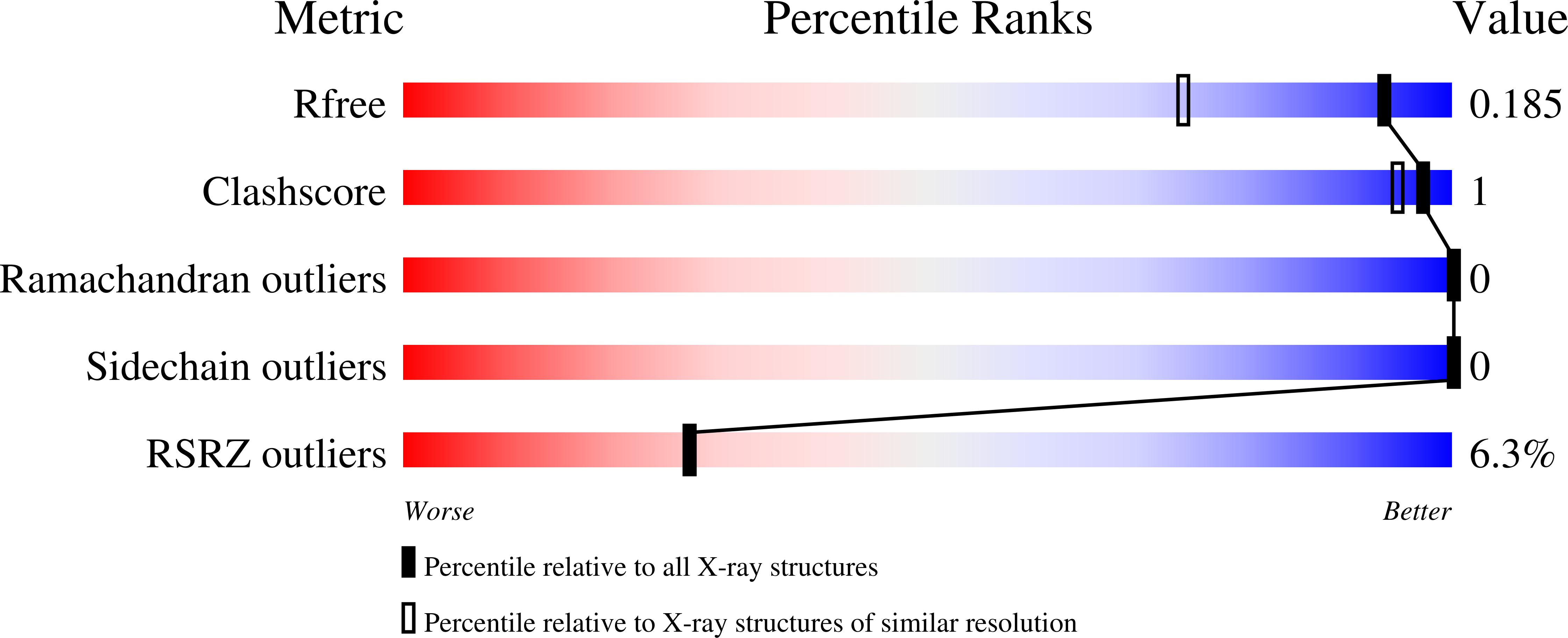
R-Value Free:
0.18
R-Value Work:
0.16
Space Group:
P 21 21 21
Macromolecular Entities
Structures with similar UniProt ID
Protein Blast
Polymer Type:polypeptide(L)
Molecule:Tenascin
Gene (Uniprot):TNC
Chain IDs:A, D
Chain Length:219
Number of Molecules:2
Biological Source:Homo sapiens
Polymer Type:polypeptide(L)
Molecule:Adhiron
Chain IDs:B, C
Chain Length:88
Number of Molecules:2
Biological Source:synthetic construct
Primary Citation
Targeting Tenascin-C-Toll-like Receptor 4 signalling with Adhiron-derived small molecules - a viable strategy for reducing fibrosis in systemic sclerosis.
Bioorg.Chem. 167 109251 109251 (2025)
PMID: 41289910 DOI: 10.1016/j.bioorg.2025.109251

Abstact

Tissue fibrosis is a hallmark of systemic sclerosis (SSc) and results from the persistent activation of fibroblasts and excessive accumulation of extracellular matrix component such as collagen. Recent evidence implicates the matricellular protein Tenascin-C (TNC) in promoting self-sustaining fibroblast activation and fibrosis via its interaction with Toll-like receptor 4 (TLR4). In this study, we utilized Adhiron-guided ligand discovery to identify small molecule inhibitors targeting the fibrinogen-like globe domain of TNC, a key mediator of TLR4 activation. Two lead compounds (464 and 830) demonstrated structural similarity, favourable ADME profiles, and robust anti-fibrotic activity in vitro. Treatment of dermal fibroblasts derived from SSc patients with either compound significantly reduced Transforming growth factor-β-induced expression of fibrotic genes, ACTA2, COL1A1, COL1A2, and CCN2, and inhibited myofibroblast differentiation. These studies may facilitate the development of effective targeted therapy for fibrosis in SSc and support this novel strategy for small molecule development.

Legend

Protein

Chemical

Disease

Primary Citation of related structures
Feedback Form
Name
Email
Institute
Feedback