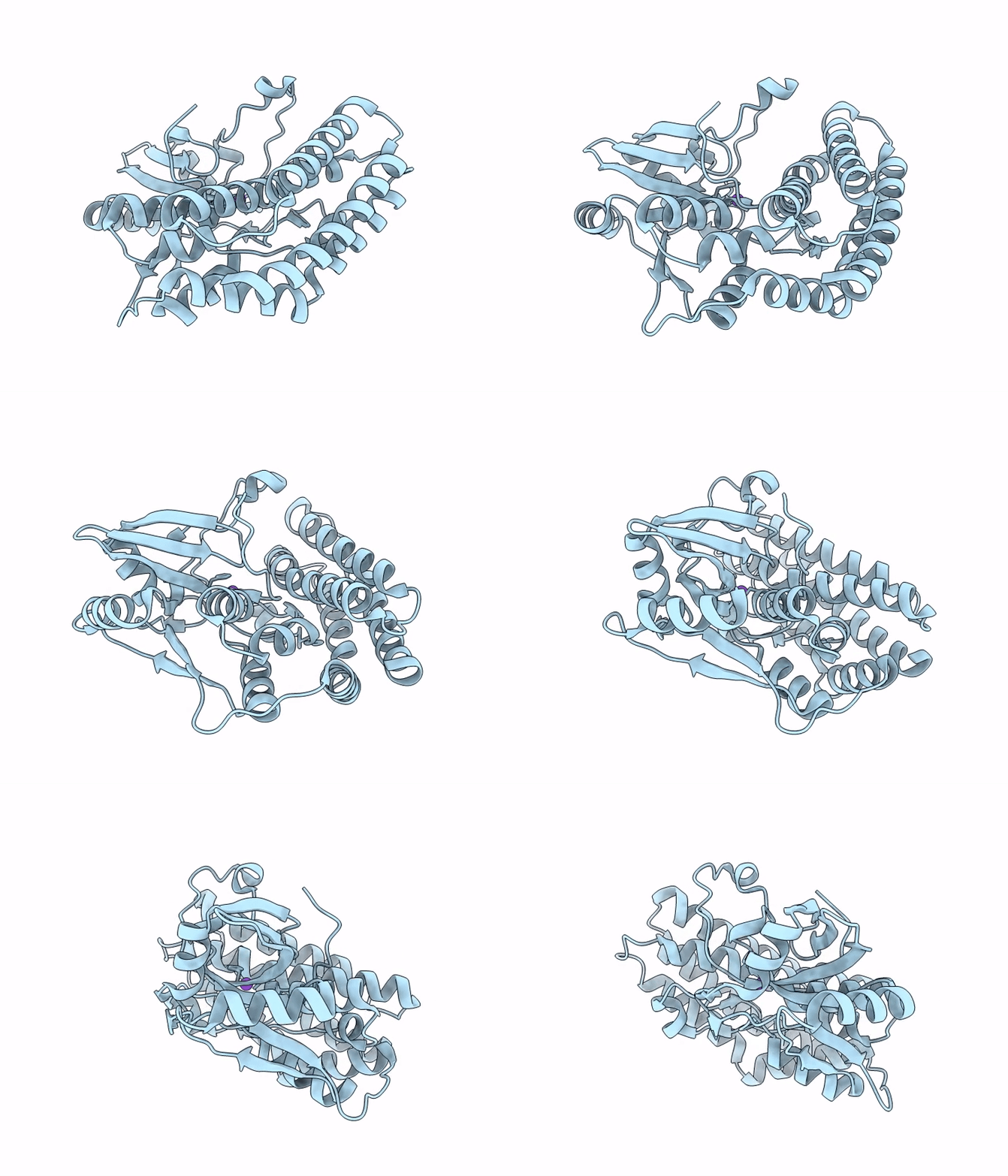
9QVS image
Deposition Date 2025-04-11
Release Date 2025-10-01
Last Version Date 2026-02-18
Entry Detail
PDB ID:
9QVS
Keywords:
Title:
Crystal structure of the CtaG_D144N variant from Ruminiclostridium cellulolyticum (P2(1)-small)
Biological Source:
Source Organism(s):
Expression System(s):
Method Details:
Experimental Method:
Resolution:
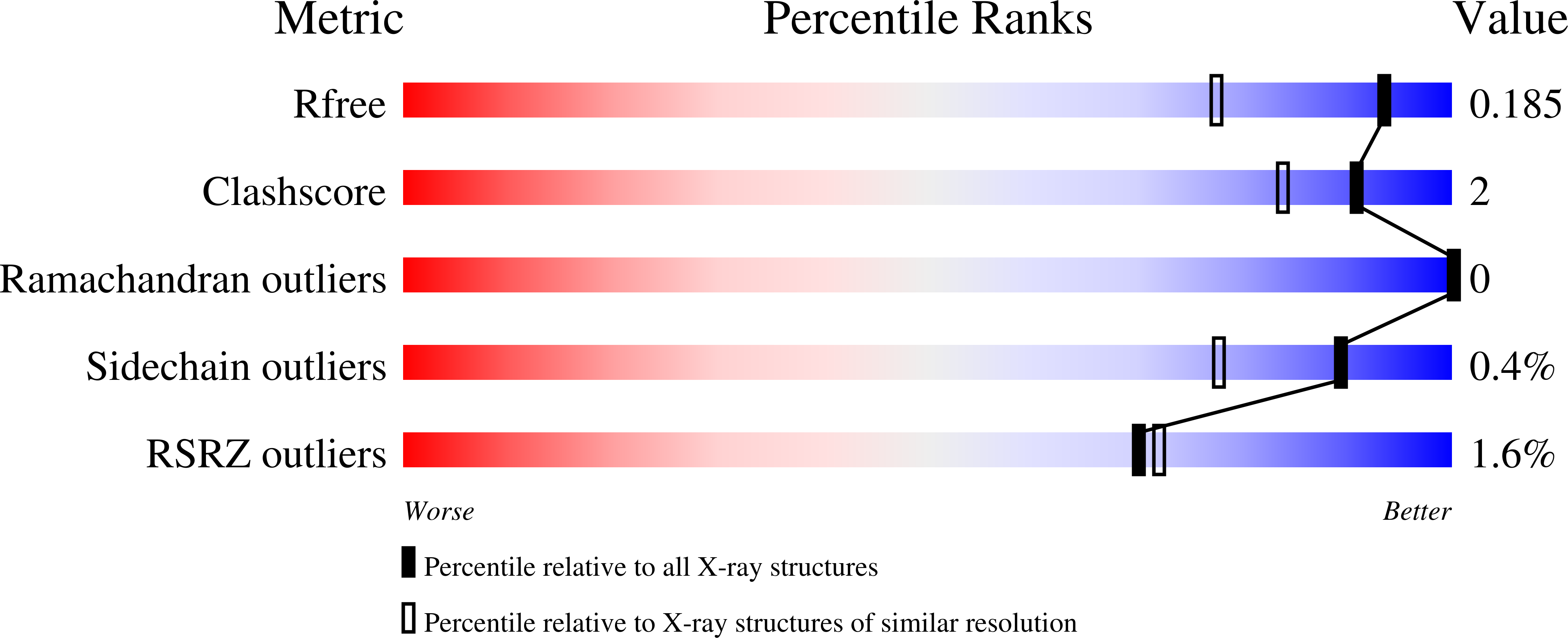
1.45 Å
R-Value Free:
0.18
R-Value Work:
0.15
R-Value Observed:
0.15
Space Group:
P 1 21 1
Macromolecular Entities
Structures with similar UniProt ID
Protein Blast
Polymer Type:polypeptide(L)
Molecule:Butirosin biosynthesis protein H N-terminal domain-containing protein
Gene (Uniprot):Ccel_3254
Mutagens:D144N
Chain IDs:A
Chain Length:315
Number of Molecules:1
Biological Source:Ruminiclostridium cellulolyticum
Ligand Molecules
Primary Citation
Distal peptide elongation by a protease-like ligase and two distinct carrier proteins.
Chem 12 None None (2026)
PMID: 41641319 DOI: 10.1016/j.chempr.2025.102740

Abstact

Closthioamide (CTA) is a potent antibiotic with a unique polythioamide scaffold produced by Ruminiclostridium cellulolyticum. Unlike classical non-ribosomal peptide synthetases (NRPSs), which use modular adenylation and condensation domains, CTA biosynthesis proceeds through non-canonical standalone enzymes. Central to this process is the papain-like ligase CtaG, which catalyzes amide bond formation between two distinct peptidyl carrier proteins (PCPs): CtaH, presenting para-hydroxybenzoic acid (PHBA), and CtaE, carrying a tri-β-alanine ((βAla)3) chain. Using biochemical assays, chemical probes, crystallography, and mutational analysis, we show that CtaG operates via a ping-pong mechanism involving an enzyme-bound intermediate. A single substrate tunnel mediates directional transfer, enabling distal chain elongation that mirrors solid-phase peptide synthesis. Structure-based genome mining revealed homologous enzymes in the biosynthetic pathways of petrobactin, butirosin, and methylolanthanin. Together, our findings uncover a previously overlooked class of thiotemplated ligases and provide a mechanistic blueprint for engineering ribosome-independent peptide assembly lines.

Legend

Protein

Chemical

Disease

Primary Citation of related structures
Feedback Form
Name
Email
Institute
Feedback