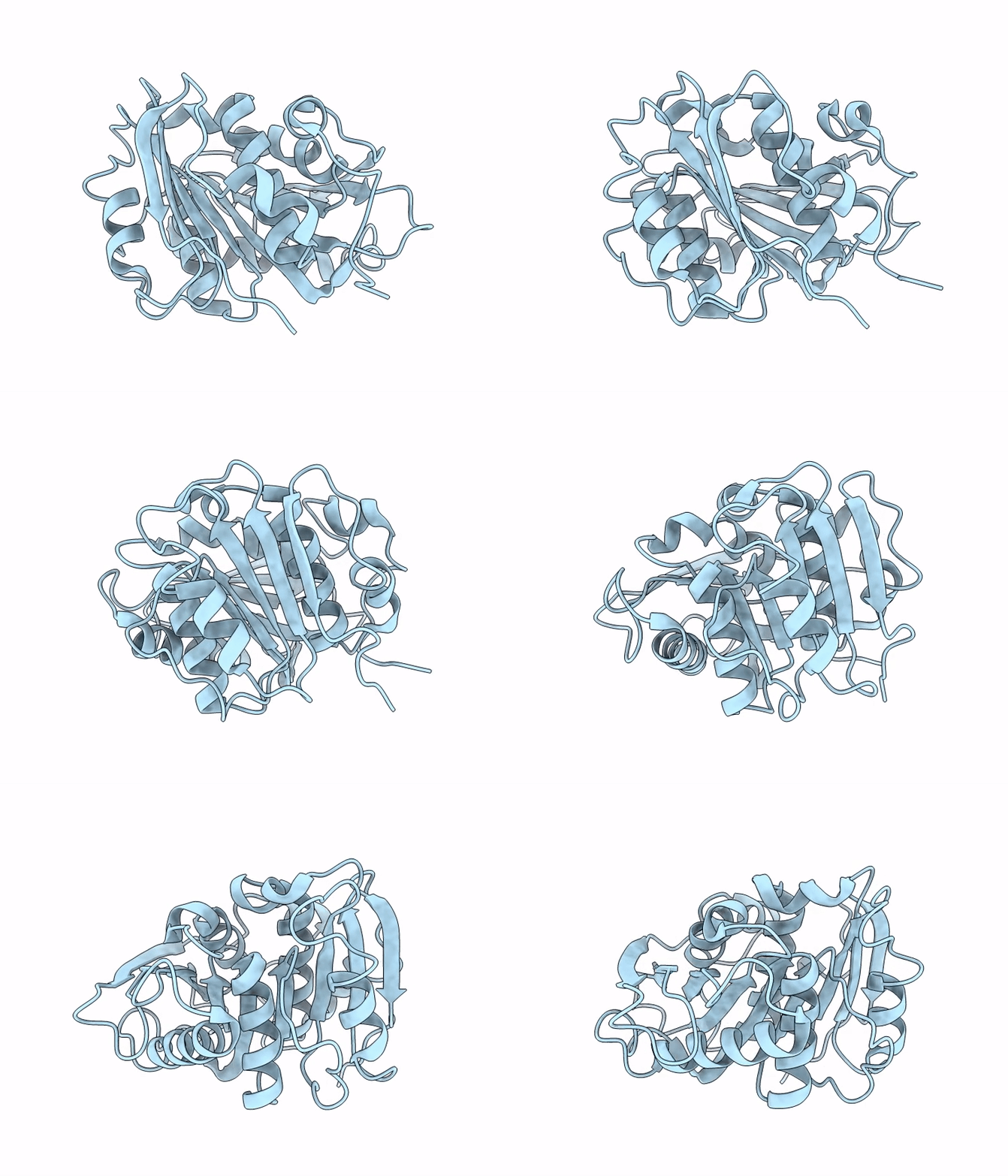
9QDE image
Deposition Date 2025-03-06
Release Date 2025-09-10
Last Version Date 2025-12-03
Entry Detail
PDB ID:
9QDE
Keywords:
Title:
Crystal structure of the non-glycosylated polyester hydrolase Leipzig 7 (PHL7) mut3 variant expressed in Pichia pastoris (P_PHL7mut3_ng)
Biological Source:
Source Organism:
Host Organism:
Method Details:
Experimental Method:
Resolution:
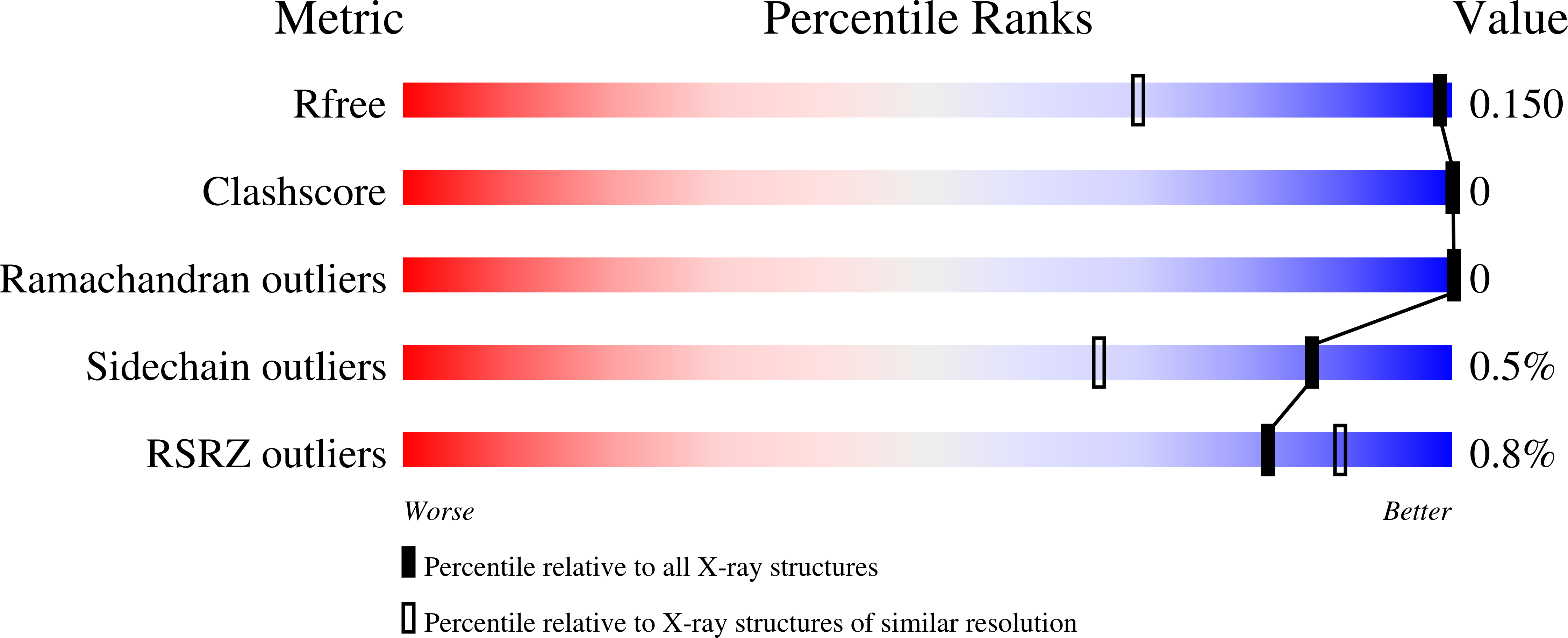
1.02 Å
R-Value Free:
0.14
R-Value Work:
0.12
R-Value Observed:
0.12
Space Group:
P 21 21 21
Macromolecular Entities
Structures with similar UniProt ID
Protein Blast
Polymer Type:polypeptide(L)
Molecule:Polyester Hydrolase Leipzig 7 (PHL-7), catalysis-deficient S131A mutant
Chain IDs:A
Chain Length:264
Number of Molecules:1
Biological Source:compost metagenome
Ligand Molecules
Primary Citation
Trade-Offs between Stability and Activity of Glycosylated and Non-Glycosylated Polyester Hydrolases PHL7 and PHL7mut3.
Acs Es T Eng 5 2781 2791 (2025)
PMID: 41262865 DOI: 10.1021/acsestengg.5c00272

Abstact

Plastic pollution has become a global environmental challenge, driving interest in enzymatic polyethylene terephthalate (PET) recycling by using polyester hydrolases. In this study, we produced the PET-degrading enzyme PHL7 and its variant PHL7mut3 in Escherichia coli and Pichia pastoris (syn. Komagataella phaffii) to investigate the impact of N-glycosylation on enzyme properties. While glycosylation upon expression in P. pastoris enhanced thermal stability, it reduced the catalytic activity of the enzymes, revealing a trade-off that adds complexity to the selection of the best-suited expression system. Additionally, we engineered P. pastoris to produce non-glycosylated enzyme variants by substituting the asparagine residues (N) at all three putative N-glycosylation sites with glutamine residues (Q). The non-glycosylated P. pastoris-produced enzymes showed a lower activity compared to those produced in E. coli, likely due to the differences in the amino acid sequence. The effects of glycosylation were less pronounced in PHL7mut3 than in PHL7, yet N-glycosylation strongly influenced the performance of both enzymes. We further demonstrate that the PET degradation performance of PHL7mut3 is less dependent on the buffer ionic strength than that of PHL7. The study emphasizes the need for the informed selection of a suitable expression host for polyester hydrolases to balance enzyme activity, thermostability, and production titer for applications in PET recycling.

Legend

Protein

Chemical

Disease

Primary Citation of related structures
Feedback Form
Name
Email
Institute
Feedback