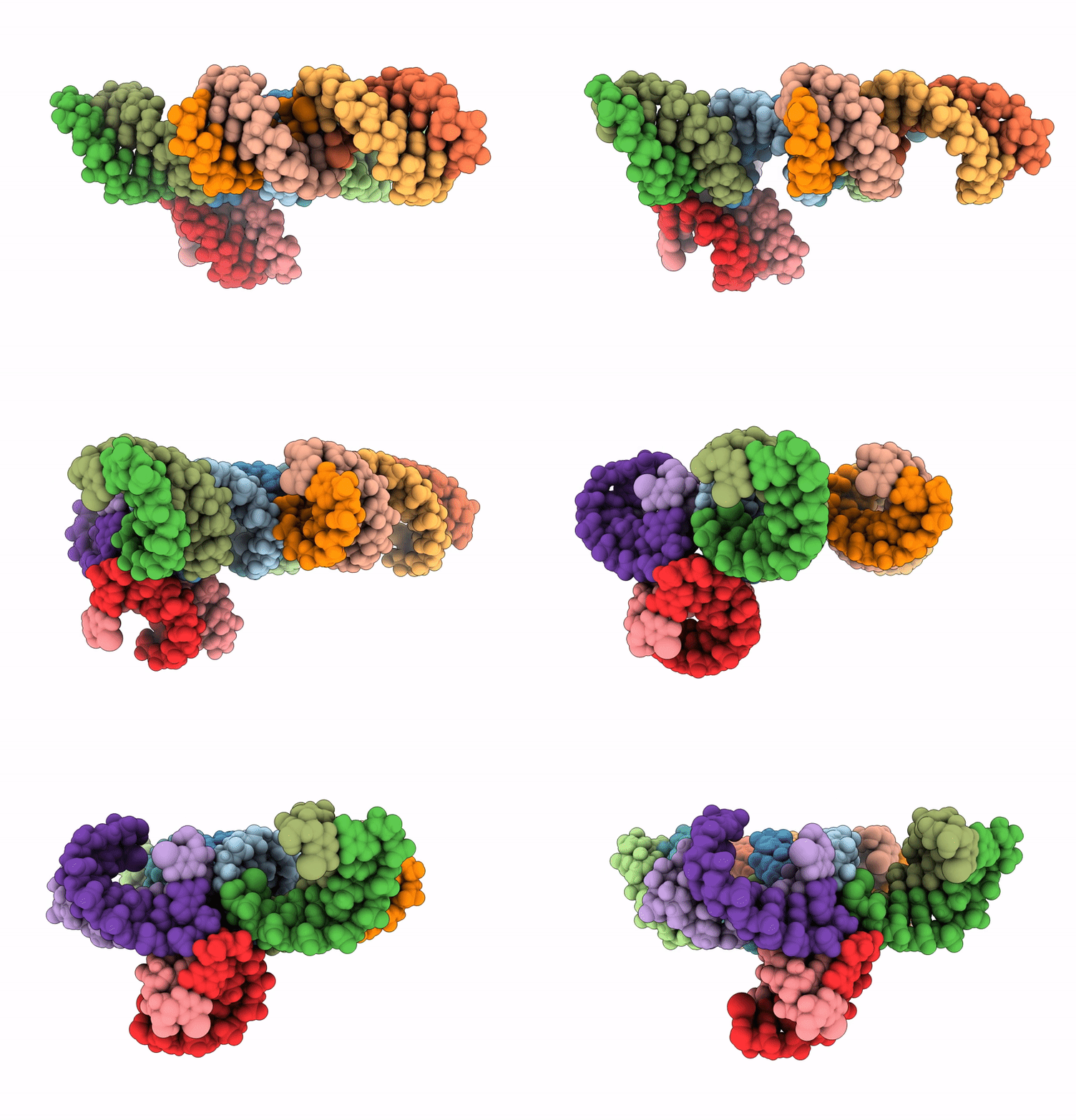
9Q3C image
Deposition Date 2025-08-18
Release Date 2025-11-05
Last Version Date 2025-12-03
Entry Detail
PDB ID:
9Q3C
Keywords:
Title:
RNA oligonucleotide containing a 3'-deoxyapio-T
Biological Source:
Source Organism:
Method Details:
Experimental Method:
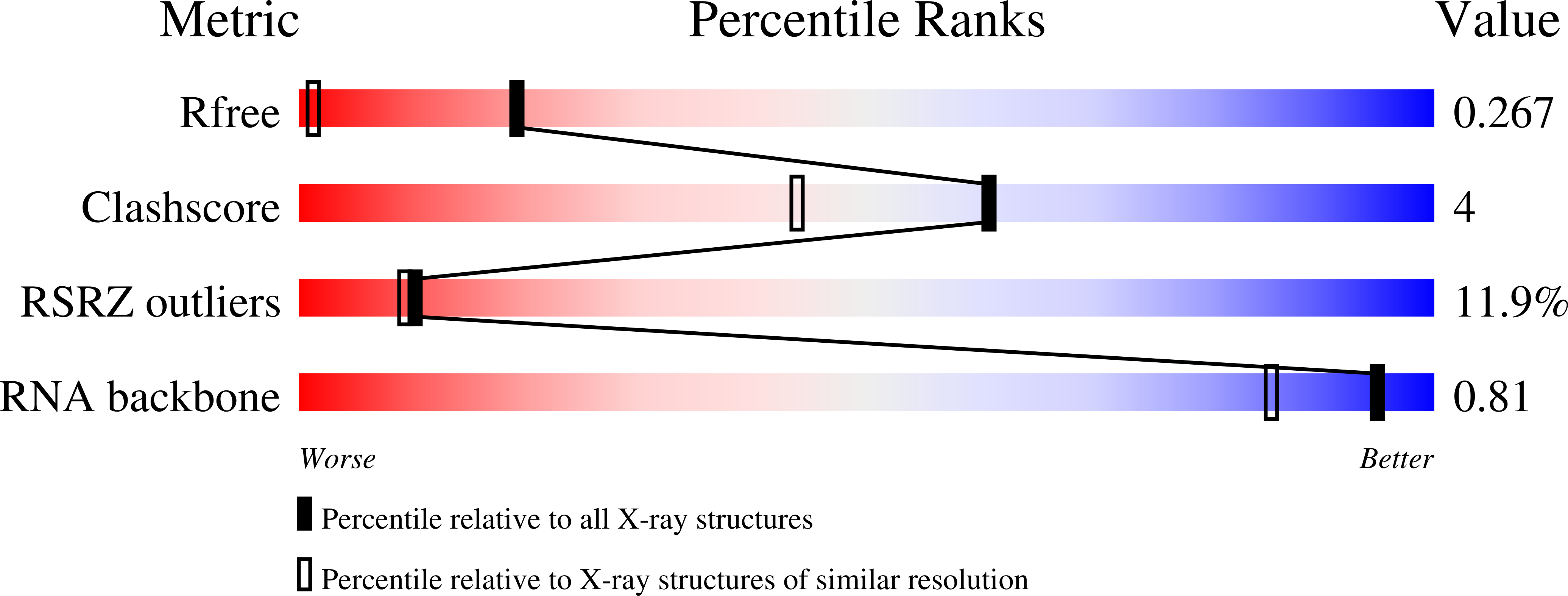
Resolution:
1.40 Å
R-Value Free:
0.25
R-Value Work:
0.19
R-Value Observed:
0.20
Space Group:
P 1 21 1
Macromolecular Entities
Polymer Type:polyribonucleotide
Molecule:RNA oligonucleotide
Chain IDs:A, B, C, D, E, F, G, H, I, J, K, L, M, N
Chain Length:8
Number of Molecules:14
Biological Source:synthetic construct
Primary Citation
Synthesis and Biophysical Properties of 3'-Deoxy-beta-d-apio-d-furanosyl Nucleic Acids.
Acs Chem.Biol. 20 2698 2708 (2025)
PMID: 41129751 DOI: 10.1021/acschembio.5c00591

Abstact

Inspired by the uncommon furanose configuration of 3'-deoxyapio-containing nucleic acids (apioNAs), we developed a facile and convenient synthesis of 24 building blocks of this modified nucleic acid monomer, including phosphoramidites, H-phosphonates, solid supports, and nucleoside triphosphates. The building blocks included those containing the four canonical RNA bases A, G, U, and C as well as T and 5-methyl-C and were synthesized starting from a single common sugar intermediate derived from d-(+)-xylose. DNA and RNA duplexes with a single apioNA modification in one strand were less thermodynamically stable than unmodified DNA or RNA. The crystal structure of apioNA-modified RNA octamer showed that the apioNA residue adopts an RNA-like structure but local reorientation of the apioNA sugar and 2'-phosphate and the difference in helical rise on the 5' side of the apioNA T relative to RNA likely contribute to the destabilizing effect of apioNA residues. At the terminus of a DNA strand, this modification provides extremely high resistance against both 3'- and 5'-exonucleases even when linked to the adjacent residue by a phosphodiester moiety. Molecular modeling of a DNA duplex containing apioNA was used to rationalize the DNA duplex destabilization and the exonuclease resistance resulting from incorporation of the apioNA residue. Use of apioNA NTPs as substrates for previously engineered α-l-threofuranosyl polymerases depends on both the enzyme and the nucleobase. These data indicate that apioNAs warrant further evaluation, and the building blocks synthesized will allow incorporation of apioNA into therapeutic oligonucleotides.

Legend

Protein

Chemical

Disease

Primary Citation of related structures
Feedback Form
Name
Email
Institute
Feedback