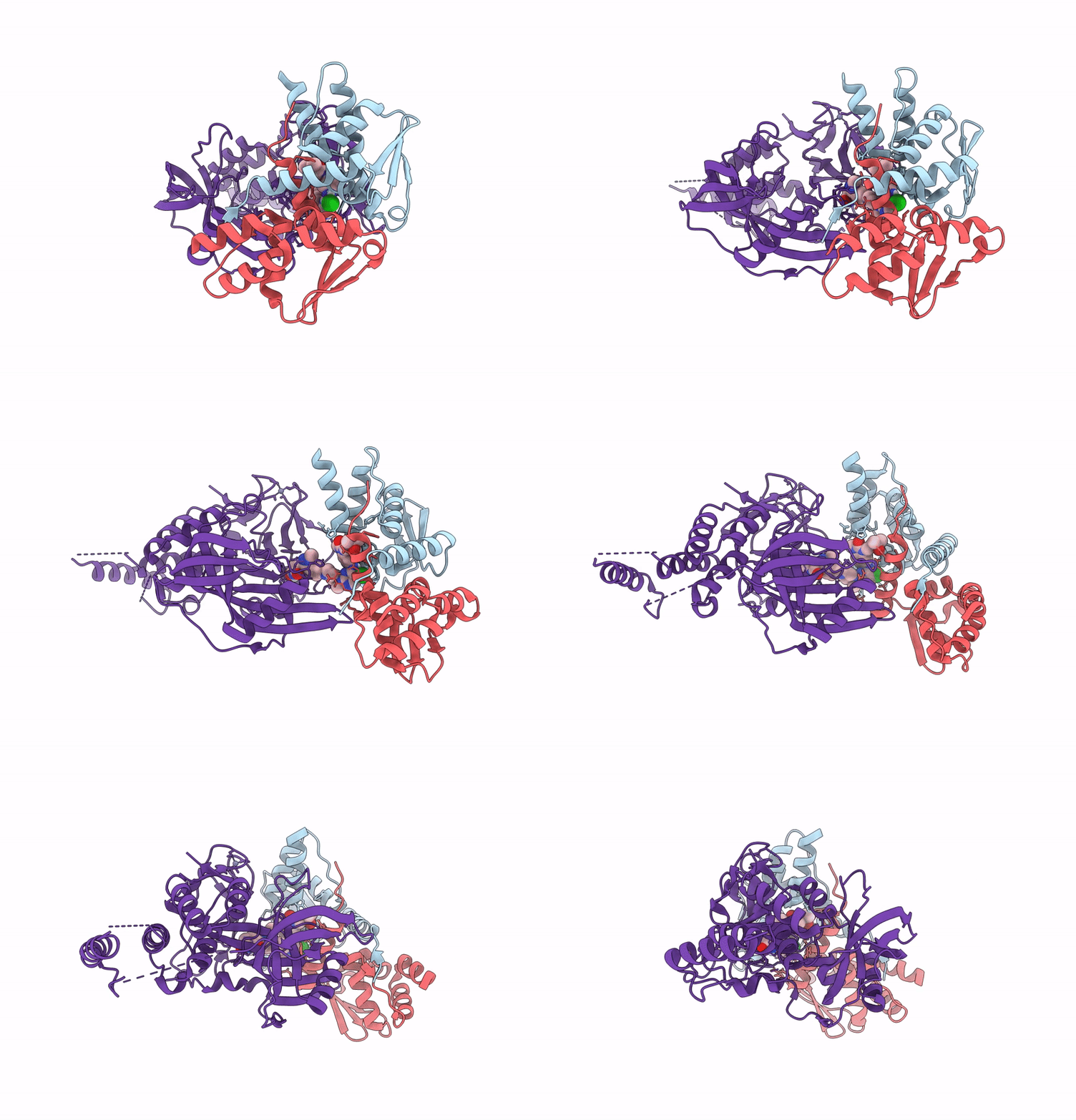
9Q03 image
Deposition Date 2025-08-12
Release Date 2025-10-15
Last Version Date 2025-11-05
Entry Detail
PDB ID:
9Q03
Keywords:
Title:
Cryo-EM structure of ternary complex BCL6-CRBN-DDB1 with BCL6-760 (LDD, local refined)
Biological Source:
Source Organism:
Homo sapiens (Taxon ID: 9606)
Method Details:
Experimental Method:
Resolution:
3.15 Å
Aggregation State:
PARTICLE
Reconstruction Method:
SINGLE PARTICLE
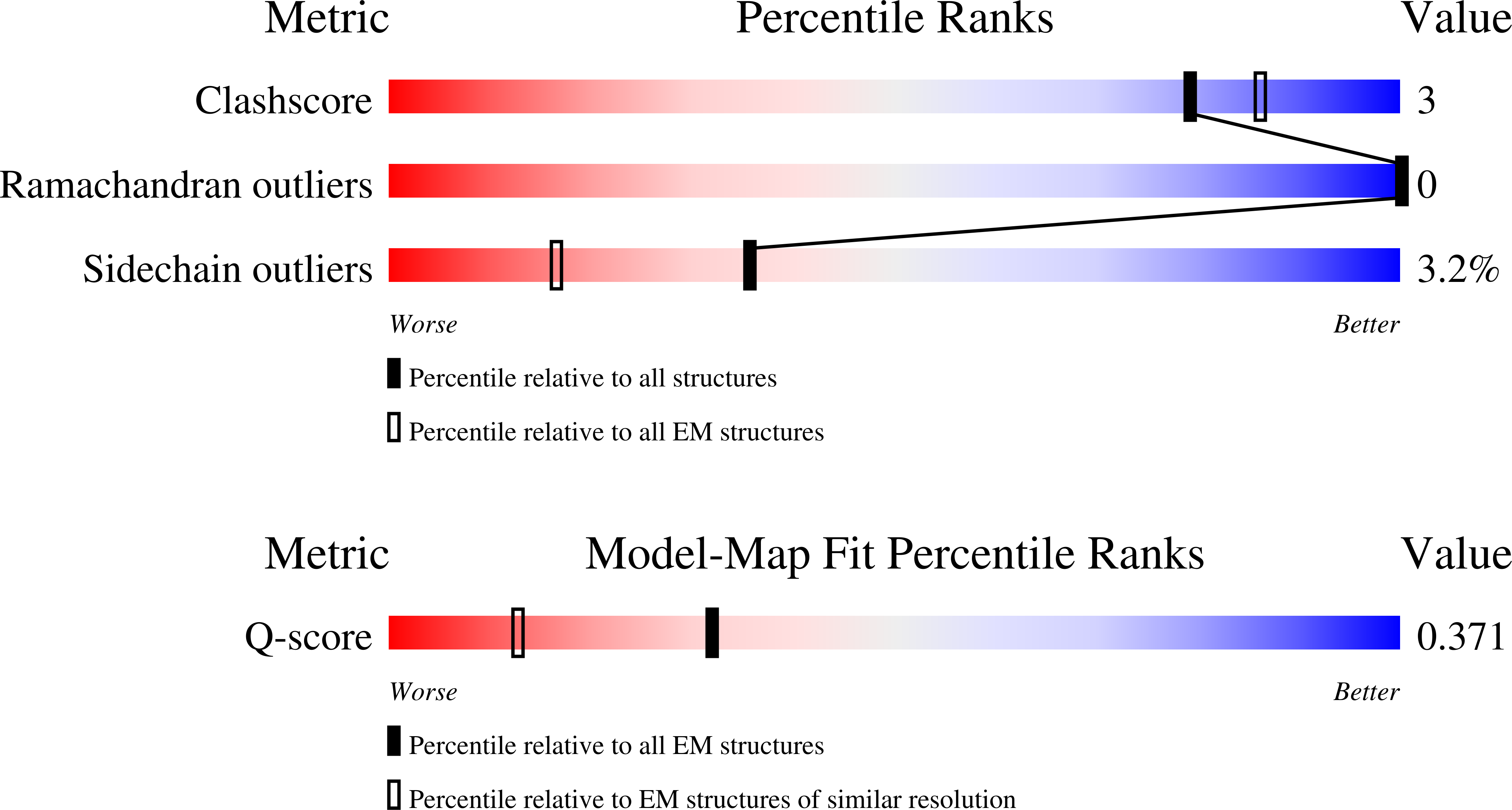
Macromolecular Entities
Structures with similar UniProt ID
Protein Blast
Polymer Type:polypeptide(L)
Molecule:B-cell lymphoma 6 protein
Gene (Uniprot):BCL6
Chain IDs:A, B
Chain Length:143
Number of Molecules:2
Biological Source:Homo sapiens
Structures with similar UniProt ID
Protein Blast
Polymer Type:polypeptide(L)
Molecule:Protein cereblon
Gene (Uniprot):CRBN
Chain IDs:C
Chain Length:467
Number of Molecules:1
Biological Source:Homo sapiens
Primary Citation

Abstact

The discovery of a potent and selective BCL6 ligand-directed degrader (LDD), BCL6-760 (45) is described. Through structure-activity relationships, the most potent heterobifunctional degraders of BCL6 were found to be those containing short aminopiperidine linkers in combination with an indazole-based cereblon (CRBN)-binding moiety (CBM). In vitro ADME profiling of potent molecules identified BCL6-760 as an ideal molecule for use in in vivo experiments due to its good passive permeability, solubility, and microsomal stability. Mechanistic studies confirmed that BCL6 degradation is CRBN mediated, and proteomic assessment indicates a clean and selective degradation profile. BCL6-760 exhibited good oral mouse PK and was capable of penetrant and sustained PD effects. At 60 mg/kg BID dosing, BCL6-760 achieves >90% BCL6 reduction and leads to an overall 64% tumor volume reduction in an OCI-LY-1 mouse xenograft efficacy model.

Legend

Protein

Chemical

Disease

Primary Citation of related structures
Feedback Form
Name
Email
Institute
Feedback