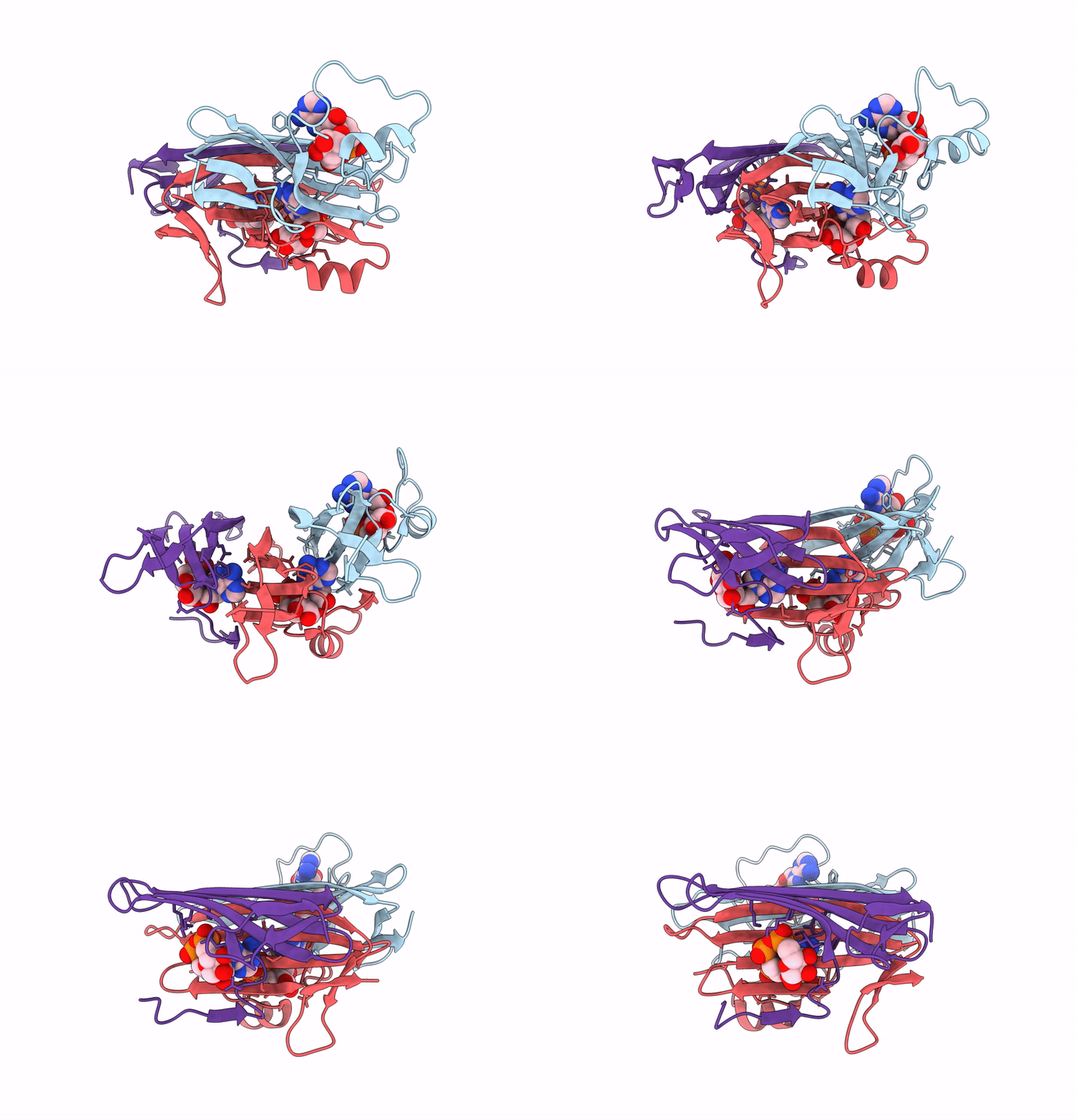
9P8L image
Deposition Date 2025-06-23
Release Date 2025-07-30
Last Version Date 2025-07-30
Entry Detail
PDB ID:
9P8L
Keywords:
Title:
Structure of Lockin in complex with 3'cADPR
Biological Source:
Source Organism:
Host Organism:
Method Details:
Experimental Method:
Resolution:
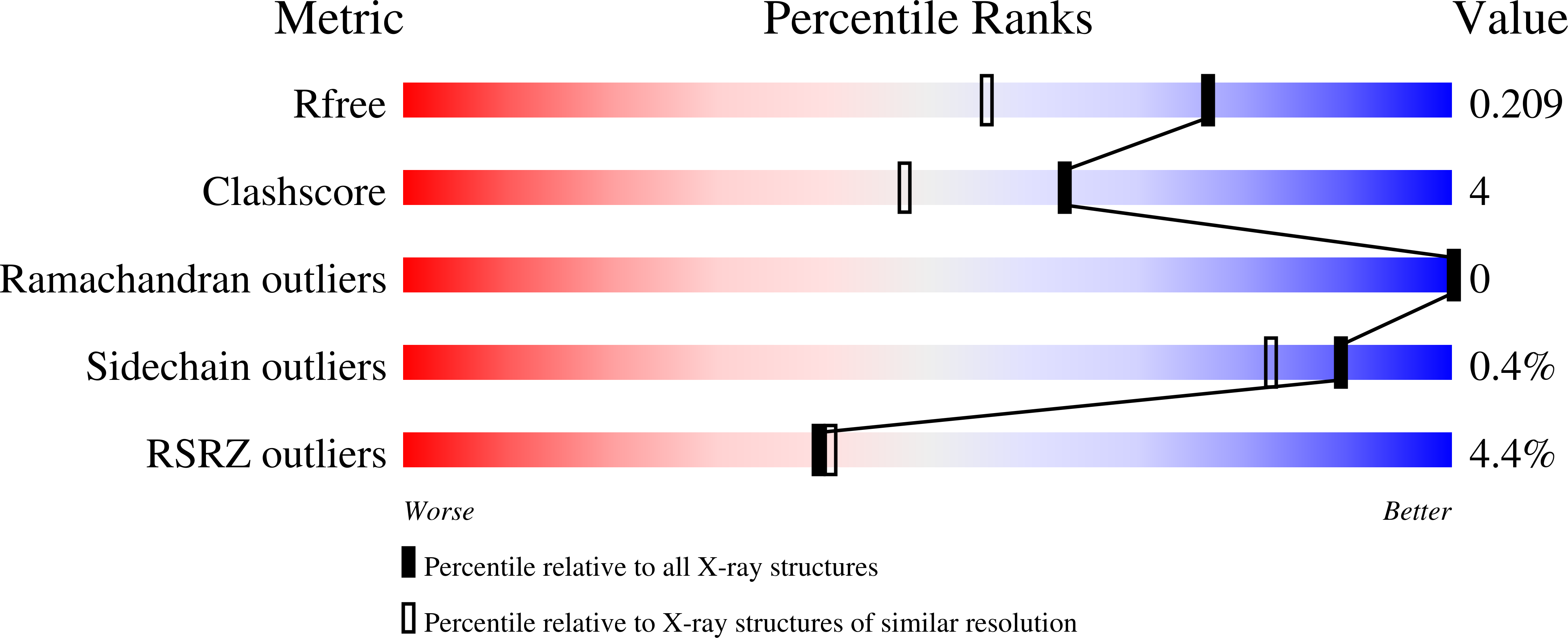
1.62 Å
R-Value Free:
0.20
R-Value Work:
0.17
R-Value Observed:
0.17
Space Group:
P 2 21 21
Macromolecular Entities
Structures with similar UniProt ID
Protein Blast
Polymer Type:polypeptide(L)
Molecule:Lockin
Chain IDs:A, B, C
Chain Length:98
Number of Molecules:3
Biological Source:phage metagenome
Ligand Molecules
Primary Citation
Structural modeling reveals viral proteins that manipulate host immune signaling.
Biorxiv ? ? ? (2025)
PMID: 40672179 DOI: 10.1101/2025.07.12.664507

Abstact

Immune pathways that use intracellular nucleotide signaling are common in animals, plants and bacteria. Viruses can inhibit nucleotide immune signaling by producing proteins that sequester or cleave the immune signals. Here we analyzed evolutionarily unrelated signal-sequestering viral proteins, finding that they share structural and biophysical traits in their genetic organization, ternary structures and binding pocket properties. Based on these traits we developed a structure-guided computational pipeline that can sift through large phage genome databases to unbiasedly predict phage proteins that manipulate bacterial immune signaling. Numerous previously uncharacterized proteins, grouped into three families, were verified to inhibit the bacterial Thoeris and CBASS signaling systems. Proteins of the Sequestin and Lockin families bind and sequester the TIR-produced signaling molecules 3'cADPR and His-ADPR, while proteins of the Acb5 family cleave and inactivate 3'3'-cGAMP and related molecules. X-ray crystallography and structural modeling, combined with mutational analyses, explain the structural basis for sequestration or cleavage of the immune signals. Thousands of these signal-manipulating proteins were detected in phage protein databases, with some instances present in well-studied model phages such as T2, T4 and T6. Our study explains how phages commonly evade bacterial immune signaling, and offers a structure-guided analytical approach for discovery of viral immune-manipulating proteins in any database of choice.

Legend

Protein

Chemical

Disease

Primary Citation of related structures
Feedback Form
Name
Email
Institute
Feedback