Planned Maintenance: Some services may turn out to be unavailable from 15th January, 2026 to 16th January, 2026. We apologize for the inconvenience!

9P6K image
Deposition Date 2025-06-19
Release Date 2025-10-08
Last Version Date 2025-10-08
Entry Detail
PDB ID:
9P6K
Keywords:
Title:
Colorado Potato Beetle Glutathione S-transferase Sigma Class member 2
Method Details:
Experimental Method:
Resolution:
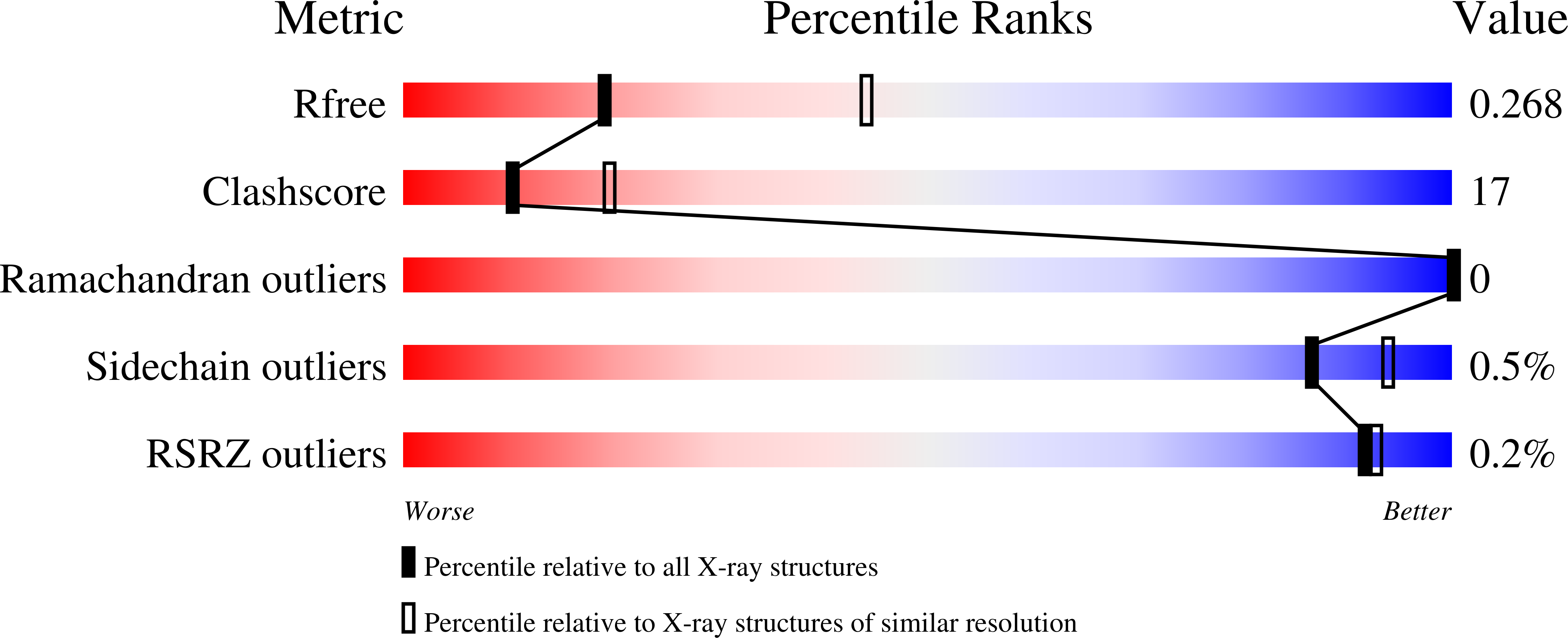
2.84 Å
R-Value Free:
0.26
R-Value Work:
0.22
R-Value Observed:
0.22
Space Group:
P 1 21 1
Macromolecular Entities
Structures with similar UniProt ID
Protein Blast
Polymer Type:polypeptide(L)
Molecule:glutathione transferase
Chain IDs:A, B, C, D
Chain Length:221
Number of Molecules:4
Biological Source:Leptinotarsa decemlineata
Ligand Molecules
Primary Citation
Crystal structure and ligand binding of a sigma-class glutathione S-transferase associated with cross-resistance in a specialist herbivore.
Int.J.Biol.Macromol. 323 147108 147108 (2025)
PMID: 40858164 DOI: 10.1016/j.ijbiomac.2025.147108

Abstact

Understanding the molecular mechanisms underlying insect adaptation is critical for elucidating the evolution of pesticide resistance and improving pest management strategies. While host plant preadaptation has been proposed to facilitate insecticide resistance, direct evidence remains limited. Here, we investigated a sigma-class glutathione S-transferase (GST), LdGSTs2, in the Colorado potato beetle (Leptinotarsa decemlineata), a major agricultural pest. LdGSTs2 is significantly overexpressed in an imidacloprid-resistant strain and induced by host plant allelochemicals. Silencing LdGSTs2 via RNA interference increased susceptibility to imidacloprid, supporting its functional role in resistance. Ligand-binding assays using 8-anilinonaphthalene-1-sulfonic acid (ANS) revealed that LdGSTs2 interacts with a broad range of insecticides and potato-derived phytochemicals. We further solved the 3D crystal structure of LdGSTs2 and performed molecular docking, which identified key residues involved in ligand interactions. These findings demonstrate that LdGSTs2 may contribute to cross-resistance by binding both synthetic and natural xenobiotics, without direct evidence of metabolic detoxification. Our results provide new mechanistic insights into how sigma-class GSTs facilitate adaptation to environmental toxins and highlight a potential molecular link between host plant use and insecticide resistance in specialist herbivores.

Legend

Protein

Chemical

Disease

Primary Citation of related structures
Feedback Form
Name
Email
Institute
Feedback