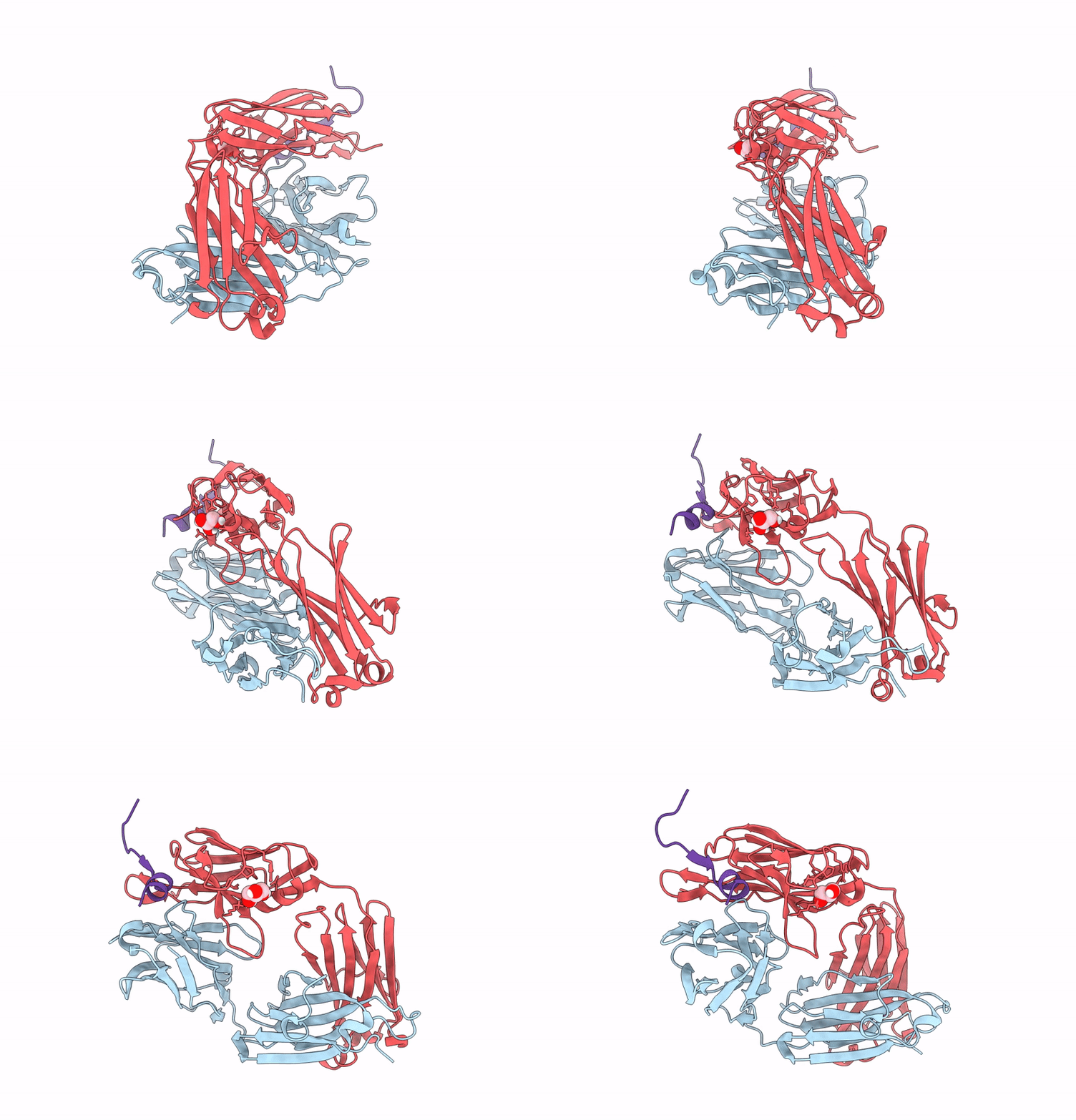
9P4C image
Deposition Date 2025-06-16
Release Date 2025-11-12
Last Version Date 2026-02-04
Entry Detail
PDB ID:
9P4C
Title:
Crystal structure of Mesothelin C-terminal peptide-RO4 Fab complex
Biological Source:
Source Organism(s):
Expression System(s):
Method Details:
Experimental Method:
Resolution:
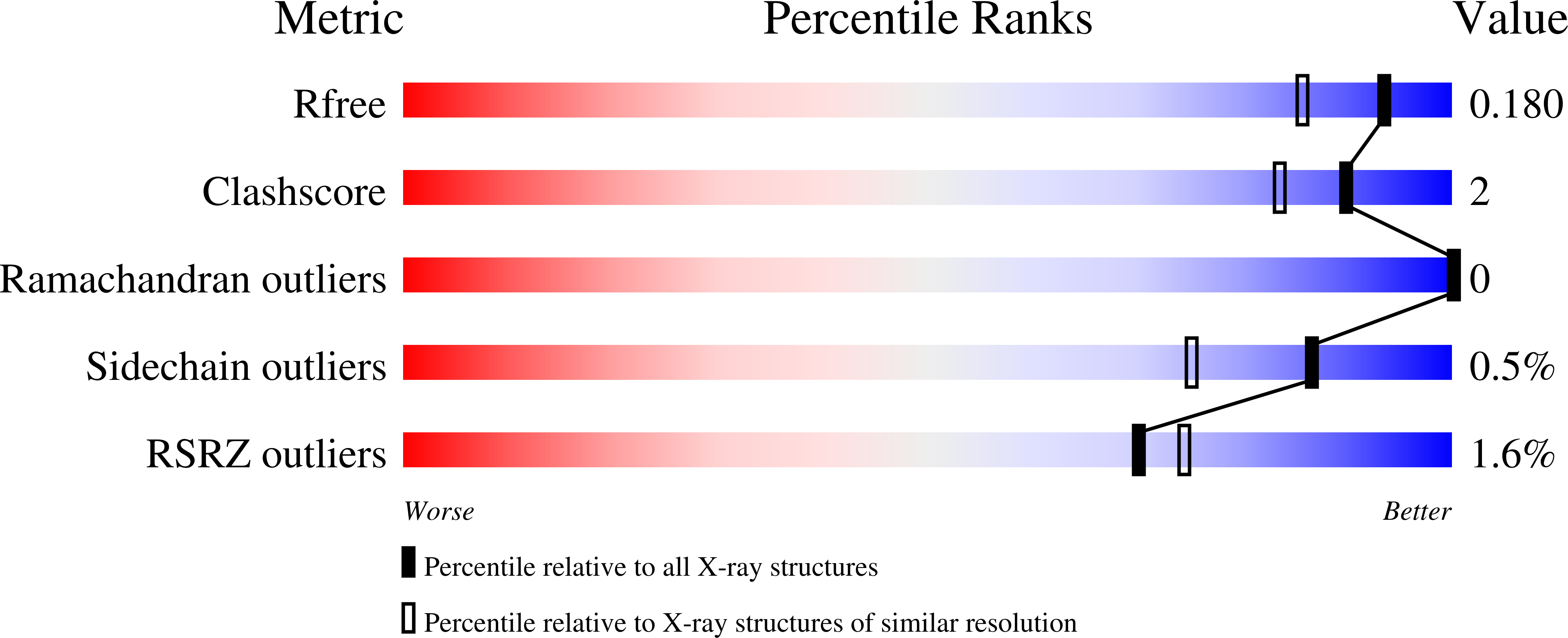
1.52 Å
R-Value Free:
0.17
R-Value Work:
0.14
R-Value Observed:
0.15
Space Group:
C 1 2 1
Macromolecular Entities
Polymer Type:polypeptide(L)
Molecule:Heavy chain of the RO4 fab fragment
Chain IDs:B (auth: H)
Chain Length:211
Number of Molecules:1
Biological Source:Oryctolagus cuniculus
Polymer Type:polypeptide(L)
Molecule:Light chain of the RO4 Fab fragment
Chain IDs:A (auth: L)
Chain Length:216
Number of Molecules:1
Biological Source:Oryctolagus cuniculus
Structures with similar UniProt ID
Protein Blast
Polymer Type:polypeptide(L)
Molecule:Mesothelin, cleaved form
Gene (Uniprot):MSLN
Chain IDs:C (auth: M)
Chain Length:17
Number of Molecules:1
Biological Source:Homo sapiens
Ligand Molecules
Primary Citation
RO4, a high-affinity humanized antibody against the juxtamembrane region of mesothelin for targeted cancer therapy.
Antib Ther 9 1 12 (2026)
PMID: 41550974 DOI: 10.1093/abt/tbaf022

Abstact

BACKGROUND Mesothelin (MSLN) is a surface antigen highly expressed in several solid tumors, including mesothelioma, ovarian, and pancreatic cancers. However, therapeutic efficacy of MSLN-targeted agents is often compromised by shed MSLN (SM), which acts as a soluble decoy and accumulates in tumor microenvironments, reducing antibody engagement at the tumor surface. METHODS To overcome this barrier, we generated antibodies targeting the membrane-proximal, non-shed region of MSLN using a peptide encompassing major cleavage sites for rabbit immunization. From 200 B-cell clones, 14 antibodies specific to the juxtamembrane region of MSLN were identified. The lead candidate, RO4, underwent detailed characterization and humanization to improve clinical applicability. RESULTS Humanized RO4 (hRO4) exhibited enhanced binding affinity to MSLN and specifically recognized tumor-associated, non-shed epitopes. Structural analysis confirmed precise epitope engagement near the cleavage site. hRO4 effectively inhibited mesothelin shedding in vitro and enabled potent tumor eradication when expressed in chimeric antigen receptor (CAR) T cells in NOD scid gamma mouse models. CONCLUSIONS Targeting a non-shed epitope of MSLN with hRO4 overcomes a critical limitation of conventional MSLN-directed therapies. By avoiding decoy interference and enhancing tumor-specific targeting, hRO4-based therapeutics offer promising clinical potential for improving outcomes in MSLN-positive cancers.

Legend

Protein

Chemical

Disease

Primary Citation of related structures
Feedback Form
Name
Email
Institute
Feedback