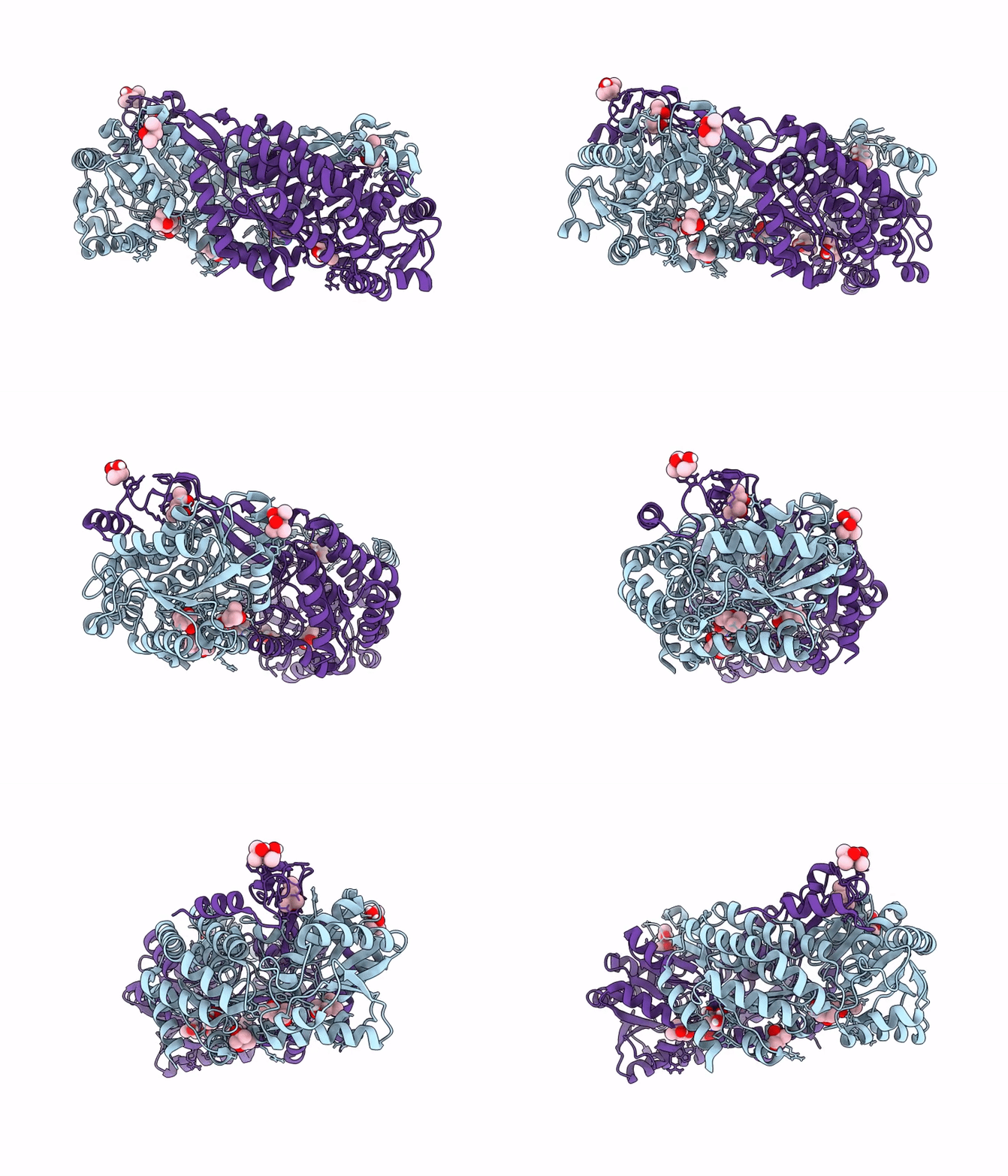
9NXL image
Deposition Date 2025-03-25
Release Date 2025-10-08
Last Version Date 2025-10-08
Entry Detail
PDB ID:
9NXL
Keywords:
Title:
Crystal structure of steroid aldehyde dehydrogenase (Sad) from Caldimonas tepidiphilia
Biological Source:
Source Organism:
Method Details:
Experimental Method:
Resolution:
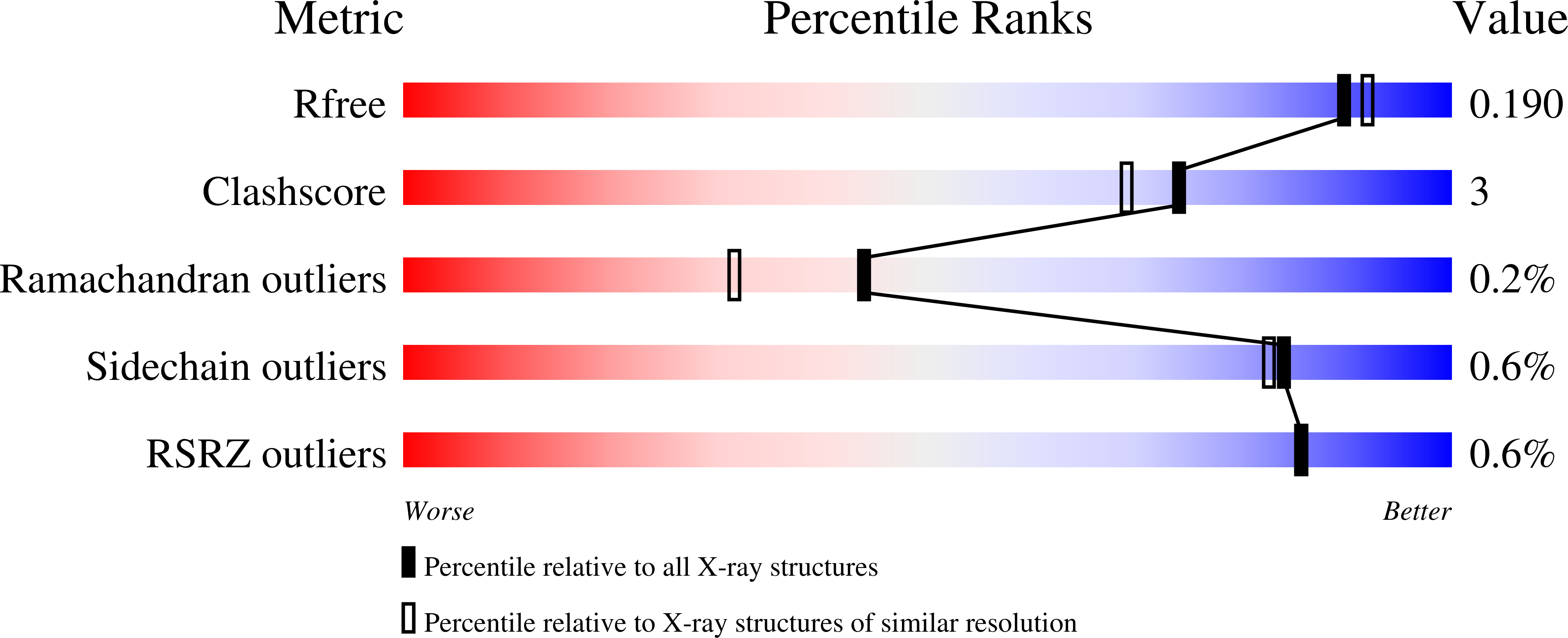
1.80 Å
R-Value Free:
0.19
R-Value Work:
0.15
R-Value Observed:
0.15
Space Group:
P 21 21 21
Macromolecular Entities
Polymer Type:polypeptide(L)
Molecule:Steroid aldehyde dehydrogenase
Chain IDs:A, B
Chain Length:476
Number of Molecules:2
Biological Source:Caldimonas tepidiphila
Primary Citation
Sad from Proteobacteria is a Structurally Distinct ALDH3 Enzyme Specialized for the Oxidation of Steroidal Aldehydes.
Biochemistry 64 3735 3744 (2025)
PMID: 40825534 DOI: 10.1021/acs.biochem.5c00213

Abstact

The steroid aldehyde dehydrogenase (Sad) from Proteobacteria is a class 3 aldehyde dehydrogenase (ALDH3) that catalyzes the oxidation of C3 steroid side chain aldehydes during bile acid catabolism. The 1.8 Å structure of the enzyme revealed an expanded active site that was able to accommodate bulky steroids, including bile acid intermediates and cholesterol derivatives, with minimal selectivity for ring-conformation or hydroxylation. Sad can utilize both NAD+ and NADP+ as coenzymes, likely due to a truncated N-terminus and a flexible Glu149 residue, which can avoid steric and electrostatic repulsion with the 2'-phosphate of NADP+ while retaining the ability to hydrogen bond to the C2'-OH of NAD+. Sad was over 1000-fold more specific for steroid aldehyde substrates than for smaller molecules such as benzaldehyde. Structural comparison with the homologousPseudomonas putida benzaldehyde dehydrogenase (PpBADH) suggested residues that might contribute to the ability of Sad to utilize bulky steroid substrates. Replacement of these residues in an F400A/L125T PpBADH double-variant resulted in a ∼39-fold increase in catalytic efficiency toward steroid aldehyde compared with the wild-type enzyme. This study advances our understanding of the molecular determinants of substrate specificity within the ALDH3 family and lays the groundwork for biocatalytic applications of steroid aldehyde dehydrogenases in the production of steroid pharmaceuticals and the bioremediation of steroidal pollutants.

Legend

Protein

Chemical

Disease

Primary Citation of related structures
Feedback Form
Name
Email
Institute
Feedback