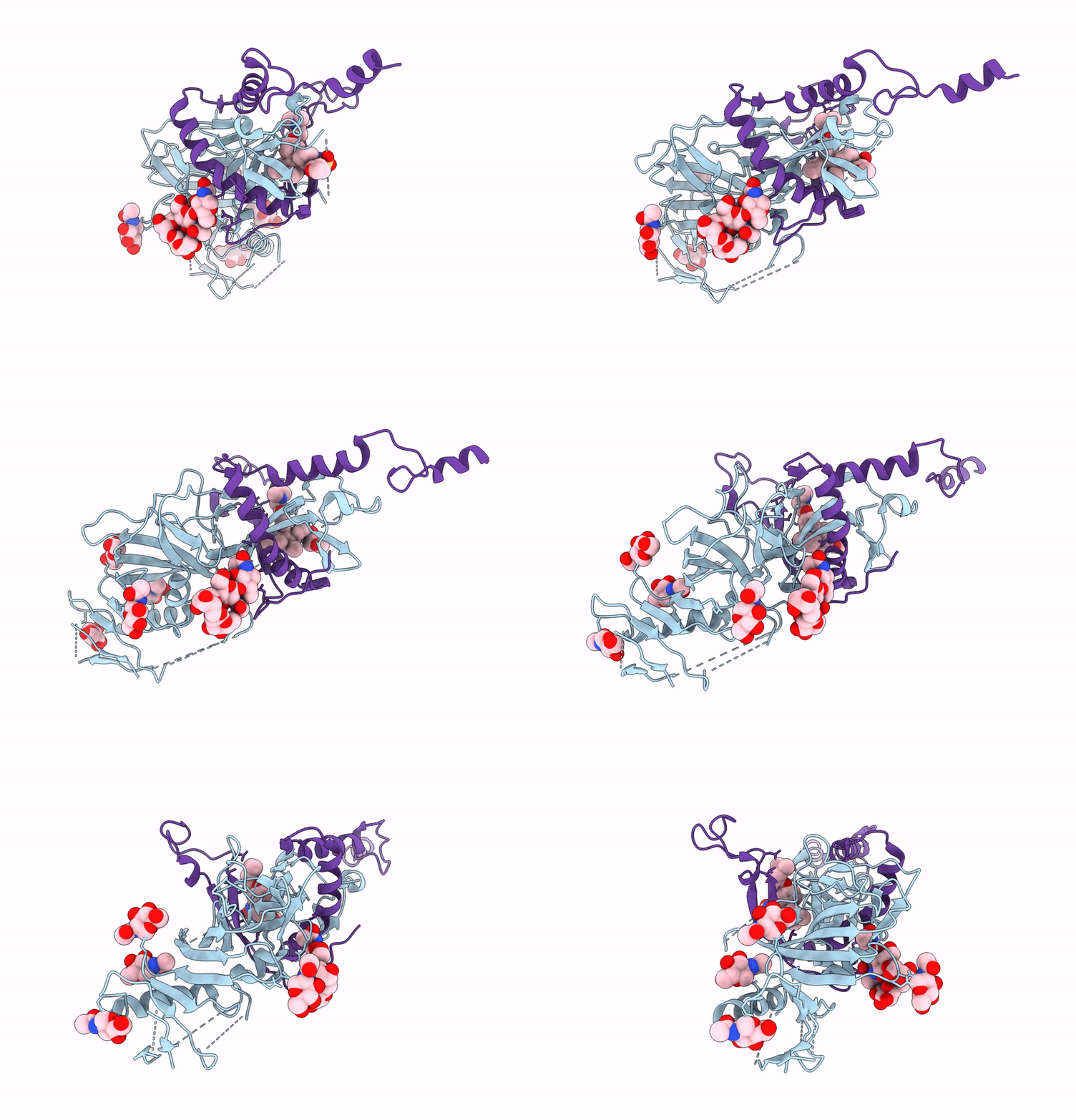
9NNU image
Deposition Date 2025-03-06
Release Date 2025-07-30
Last Version Date 2025-07-30
Entry Detail
PDB ID:
9NNU
Keywords:
Title:
Crystal Structure of Ebola Envelope glycoprotein GP in complex with compound LD4-189ZbR
Biological Source:
Source Organism:
Host Organism:
Method Details:
Experimental Method:
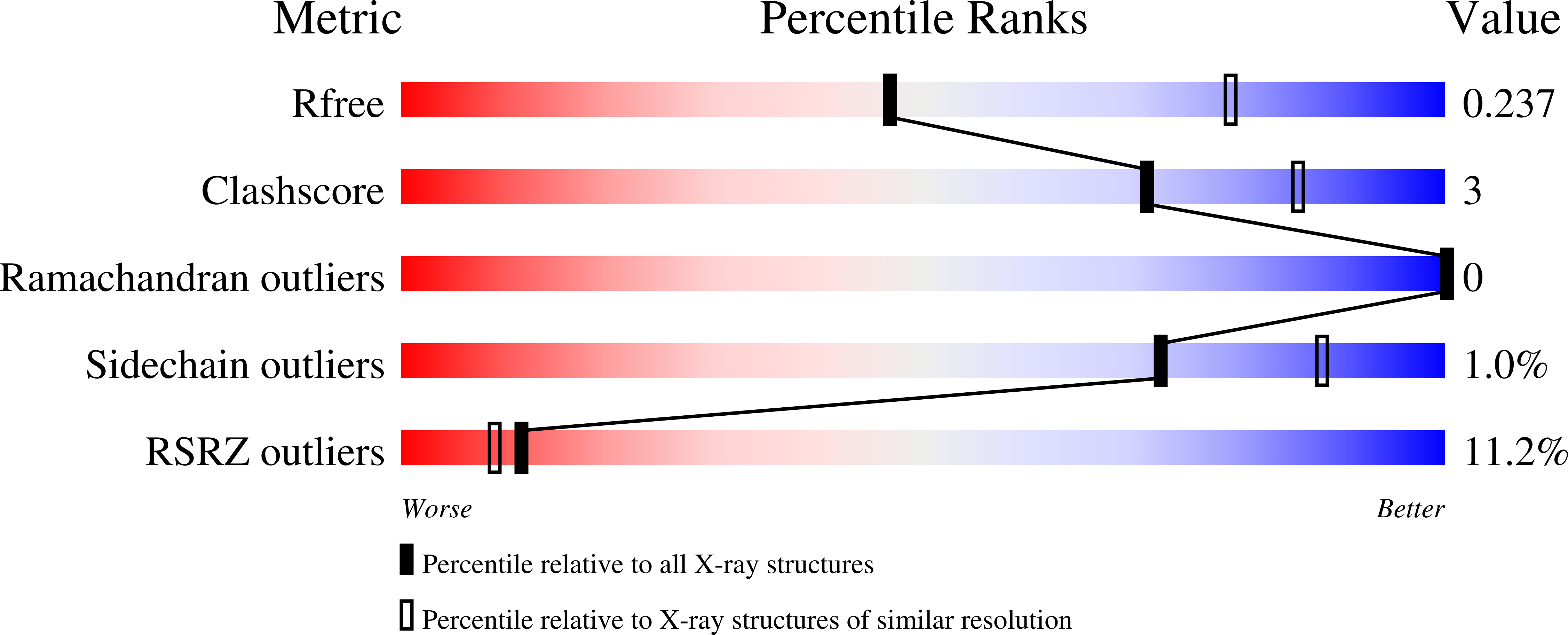
Resolution:
2.59 Å
R-Value Free:
0.24
R-Value Work:
0.22
R-Value Observed:
0.22
Space Group:
H 3 2
Macromolecular Entities
Structures with similar UniProt ID
Protein Blast
Polymer Type:polypeptide(L)
Molecule:Envelope glycoprotein
Gene (Uniprot):GP
Chain IDs:A
Chain Length:470
Number of Molecules:1
Biological Source:Ebola virus - Mayinga, Zaire, 1976
Structures with similar UniProt ID
Protein Blast
Polymer Type:polypeptide(L)
Molecule:GP2
Gene (Uniprot):GP
Chain IDs:B
Chain Length:168
Number of Molecules:1
Biological Source:Ebola virus - Mayinga, Zaire, 1976
Primary Citation
SuFEx-enabled high-throughput medicinal chemistry for developing potent tamoxifen analogs as Ebola virus entry inhibitors.
Front Immunol 16 1533037 1533037 (2025)
PMID: 40356906 DOI: 10.3389/fimmu.2025.1533037

Abstact

Ebola virus (EBOV) causes severe hemorrhagic fever with a high mortality rate in humans. In acute infection, an abnormal immune response results in excessive inflammatory cytokines and uncontrolled systemic inflammation that can result in organ damage and multi-organ failure. While vaccines and monoclonal antibody therapies are available, there is an urgent need for effective small-molecule antivirals against EBOV. Here, we report on the optimization of tamoxifen, an EBOV-glycoprotein (GP) binder that inhibits viral entry, using our Sulfur-Fluoride Exchange (SuFEx) click chemistry-based high-throughput medicinal chemistry (HTMC) strategy. Using a "Direct-to-Biology" approach, we generated a focused library of 2,496 tamoxifen analogs overnight and screened them in a cell-based pseudo-EBOV infection assay. The HTMC workflow enabled the development of a potent EBOV entry inhibitor with submicromolar EC50 cellular antiviral activity and more than 50-fold improvement in binding affinity against EBOV-GP compared to the parent compound. Our findings underscore the use of SuFEx-enabled HTMC for rapidly generating and assessing potential therapeutic candidates against viral and immune-mediated diseases in a cell-based assay.

Legend

Protein

Chemical

Disease

Primary Citation of related structures
Feedback Form
Name
Email
Institute
Feedback