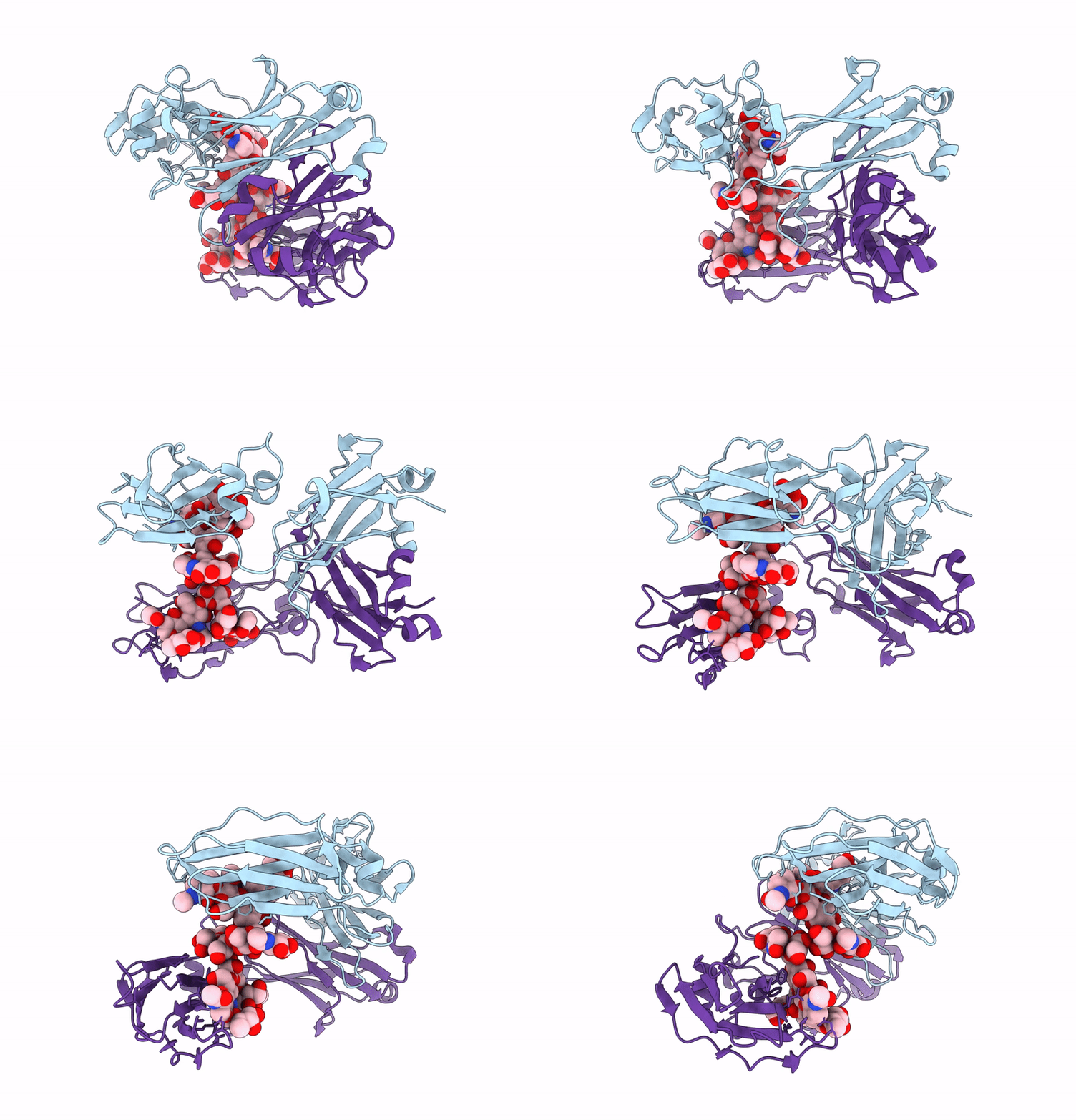
9MVX image
Deposition Date 2025-01-16
Release Date 2025-11-12
Last Version Date 2025-11-12
Entry Detail
PDB ID:
9MVX
Keywords:
Title:
Crystal structure of knob-in-hole immunoglobulin G1 Fc heterodimer with P374A
Biological Source:
Source Organism(s):
Homo sapiens (Taxon ID: 9606)
Expression System(s):
Method Details:
Experimental Method:
Resolution:
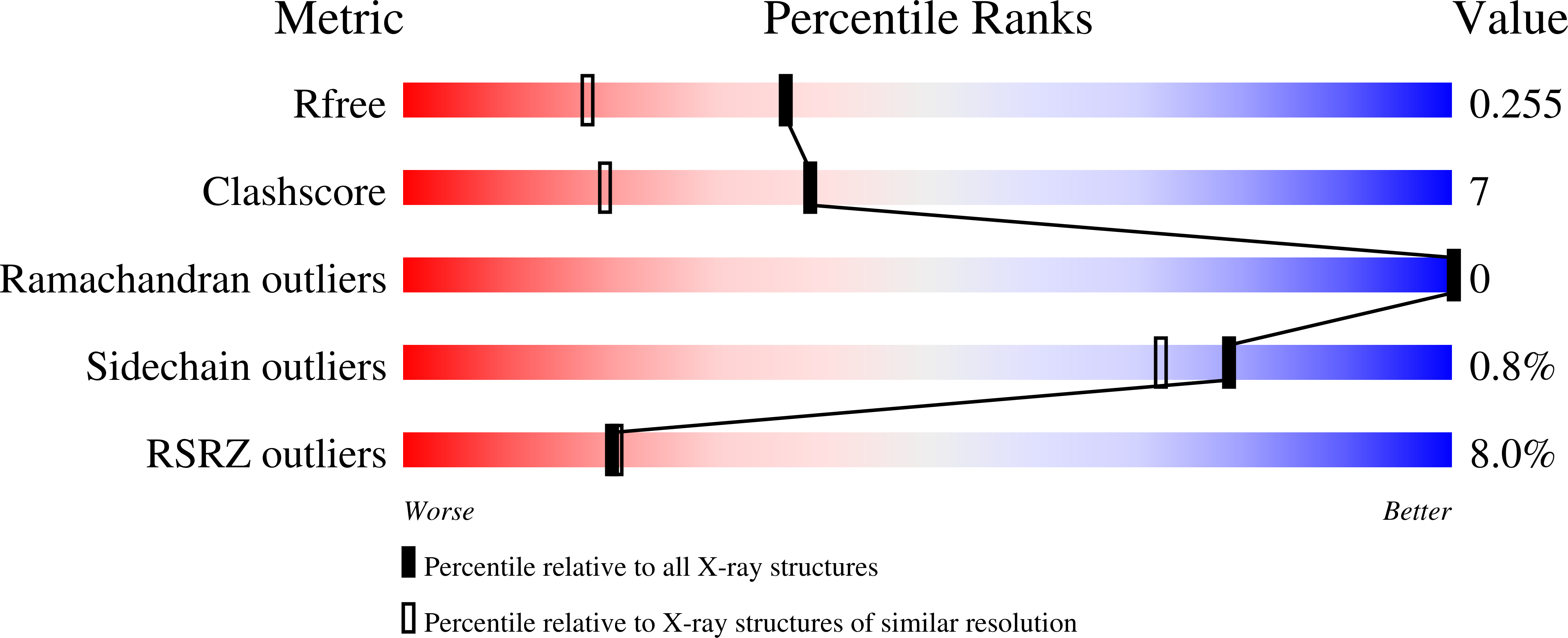
1.84 Å
R-Value Free:
0.25
R-Value Work:
0.21
R-Value Observed:
0.21
Space Group:
P 21 21 21
Macromolecular Entities
Structures with similar UniProt ID
Protein Blast
Polymer Type:polypeptide(L)
Molecule:Isoform 1 of Immunoglobulin heavy constant gamma 1 HC1 (Hole)
Gene (Uniprot):IGHG1
Mutagens:I253D, T366S, L368A, P374A, Y407V
Chain IDs:A
Chain Length:223
Number of Molecules:1
Biological Source:Homo sapiens
Structures with similar UniProt ID
Protein Blast
Polymer Type:polypeptide(L)
Molecule:Isoform 1 of Immunoglobulin heavy constant gamma 1 HC2 (Knob)
Gene (Uniprot):IGHG1
Mutagens:T366W, P374A
Chain IDs:B
Chain Length:223
Number of Molecules:1
Biological Source:Homo sapiens
Primary Citation

Abstact

Bispecific antibodies (bsAbs) can enable therapeutic mechanisms, such as dual antigen targeting or receptor agonism, that are impossible using monoclonal antibodies. BsAbs with IgG-like format (bsIgG) are comprised of two unique heavy chains, each having a cognate light chain. Co-expression of these four unique polypeptides often leads to several mispaired species that are difficult to separate from the target bsIgG due to their similar biophysical properties. Here we describe a set of mutations called ProAla that exploit a the unfolded protein response pathway of cells. ProAla heavy chains are engineered with higher folding energy barriers such that only the cognate light and heavy chains can induce folding, chaperone release and secretion. The structures of the ProAla Fab and Fc regions are identical in structure to normal antibodies, enabling maintenance of half-life and function. Mispaired polypeptides fail to secrete from the cell due to enhanced interaction with the endoplasmic reticulum chaperone BiP, resulting in increased purity of secreted bsIgGs.

Legend

Protein

Chemical

Disease

Primary Citation of related structures
Feedback Form
Name
Email
Institute
Feedback