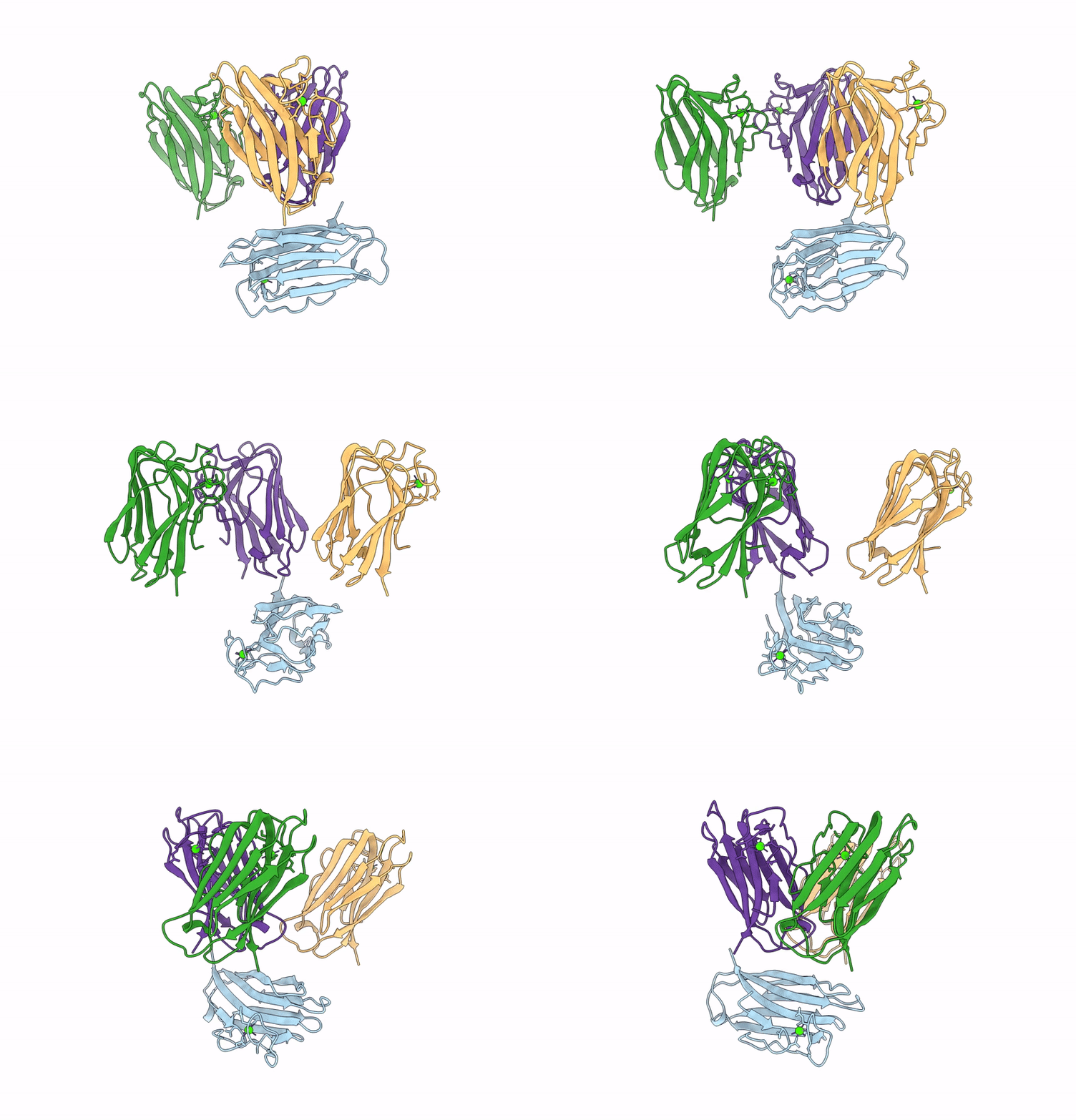
9MUI image
Deposition Date 2025-01-14
Release Date 2025-08-20
Last Version Date 2025-08-20
Entry Detail
PDB ID:
9MUI
Keywords:
Title:
C. difficile RBD1 with Ca2+
Biological Source:
Source Organism:
Host Organism:
Method Details:
Experimental Method:
Resolution:
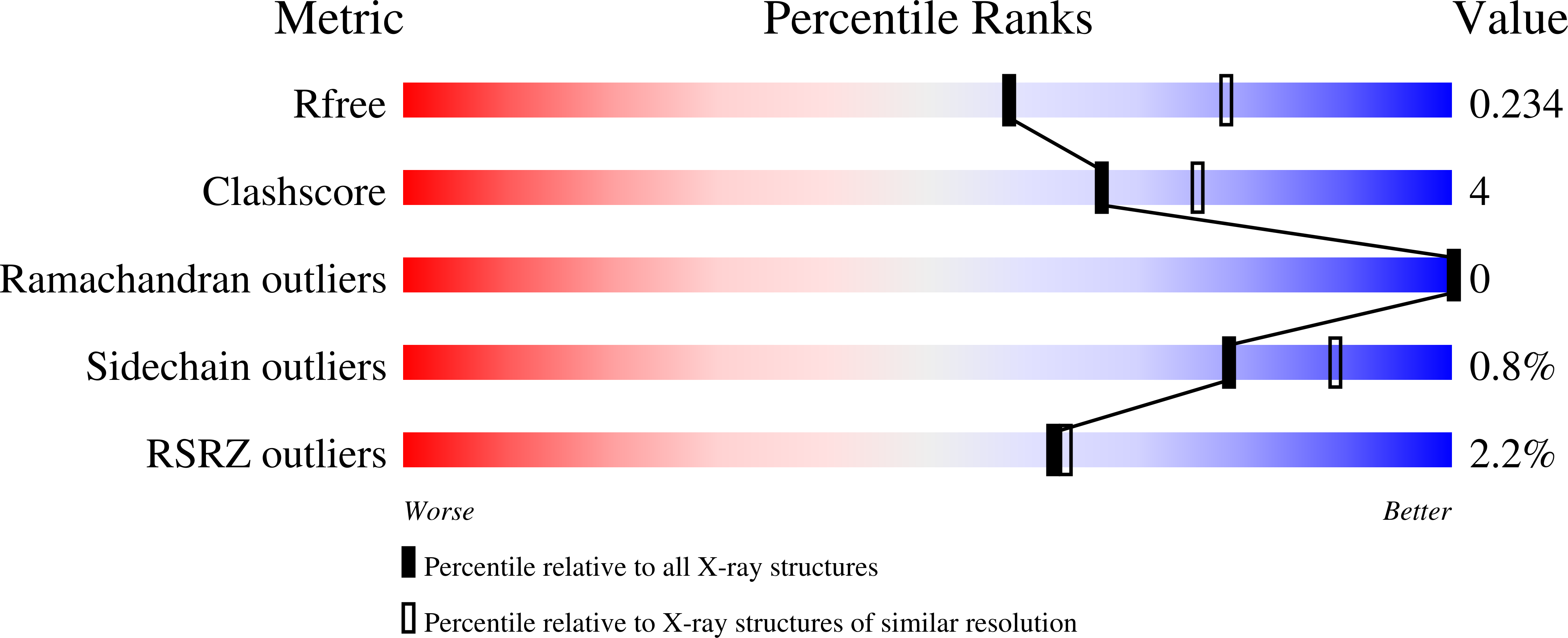
2.29 Å
R-Value Free:
0.23
R-Value Work:
0.19
R-Value Observed:
0.20
Space Group:
H 3
Macromolecular Entities
Structures with similar UniProt ID
Protein Blast
Polymer Type:polypeptide(L)
Molecule:ADP-ribosyltransferase binding component
Gene (Uniprot):cdtB
Chain IDs:A, B, C, D
Chain Length:127
Number of Molecules:4
Biological Source:Clostridioides difficile
Ligand Molecules
Primary Citation
Pore formation by the CDTb component of the Clostridioides difficile binary toxin is Ca 2+ -dependent.
Commun Biol 8 901 901 (2025)
PMID: 40490540 DOI: 10.1038/s42003-025-08343-x

Abstact

Clostridioides difficile infection (CDI) is one of the five most urgent bacterial threats in the United States. Furthermore, hypervirulent CDI strains express a third toxin termed the C. difficile binary toxin (CDT), and its molecular mechanism for entering host cells is not fully elucidated. Like other AB-type binary toxins, CDT enters host cells via endosomes. Here we show via surface plasmon resonance and electrochemical impedance spectroscopy that the cell-binding component of CDT, termed CDTb, binds and form pores in lipid bilayers in the absence of its enzymatic component, CDTa. This occurs upon lowering free Ca2+ ion concentration, and not by decreasing pH, as found for other binary toxins (i.e., anthrax). Cryogenic electron microscopy (CryoEM), X-ray crystallography, and nuclear magnetic resonance (NMR) studies show that dissociation of Ca2+ from a single site in receptor binding domain 1 (RBD1) of CDTb triggers conformational exchange in CDTb. These and structure/function studies of a Ca2+-binding double mutant targeting RBD1 (i.e., D623A/D734A) support a model in which dissociation of Ca2+ from RBD1 induces dynamic properties in CDTb that enable it to bind and form pores in lipid bilayers.

Legend

Protein

Chemical

Disease

Primary Citation of related structures
Feedback Form
Name
Email
Institute
Feedback