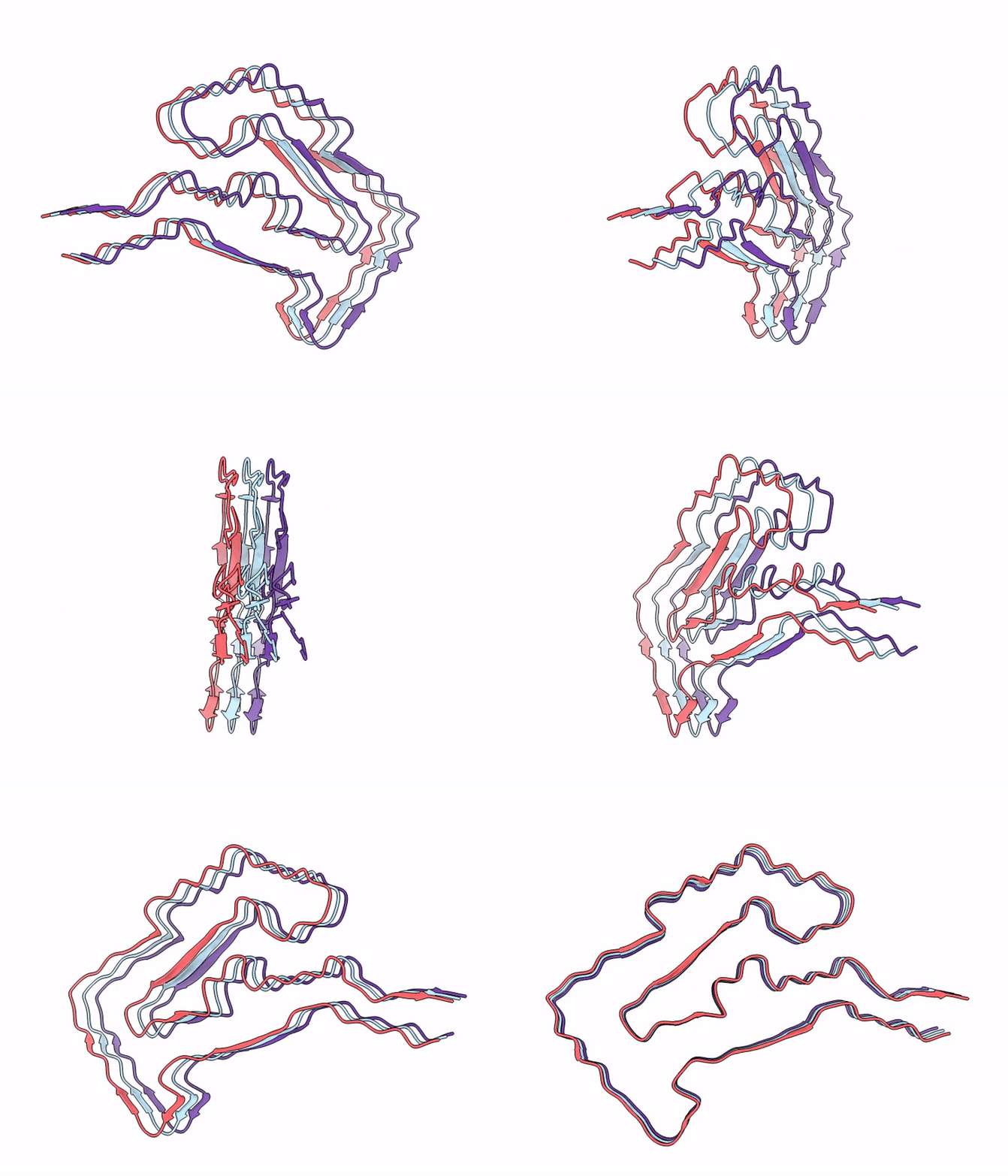
9LIV image
Deposition Date 2025-01-14
Release Date 2026-01-21
Last Version Date 2026-01-21
Entry Detail
PDB ID:
9LIV
Keywords:
Title:
The cryo-EM structure of amyloid fibrils from abdominal fat of an AL amyloidosis patient (case 1) - polymorph 1.
Biological Source:
Source Organism(s):
Homo sapiens (Taxon ID: 9606)
Method Details:
Experimental Method:
Resolution:
3.10 Å
Aggregation State:
FILAMENT
Reconstruction Method:
HELICAL
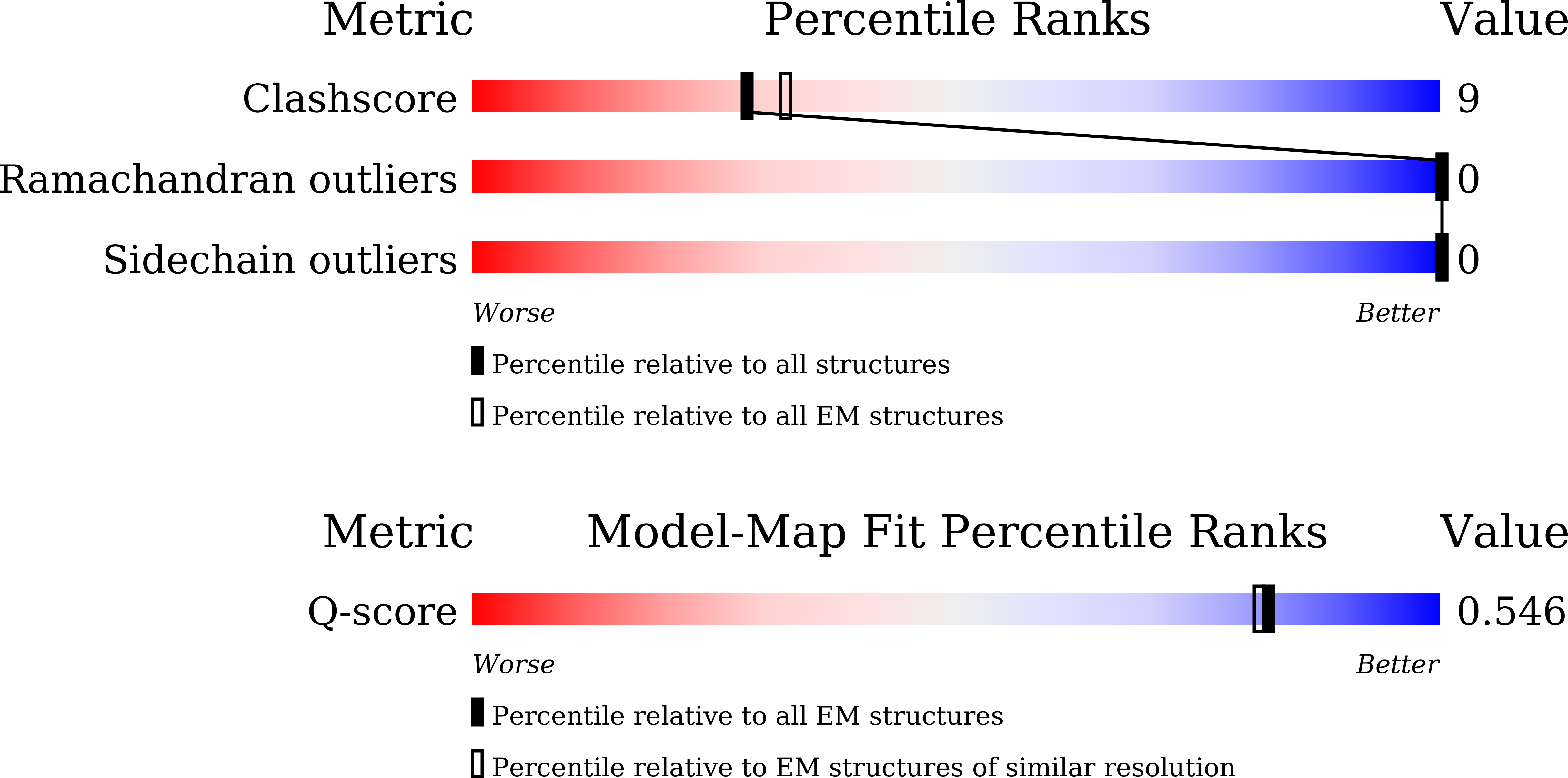
Macromolecular Entities
Polymer Type:polypeptide(L)
Molecule:Monoclonal immunoglobulin light chains (LC)
Chain IDs:A (auth: AA), B (auth: AB), C (auth: AC)
Chain Length:110
Number of Molecules:3
Biological Source:Homo sapiens
Ligand Molecules
Primary Citation
Biopsy-resolved cryo-EM structures of amyloid fibrils provide molecular insights into AL amyloidosis.
Proc.Natl.Acad.Sci.USA 123 e2515454123 e2515454123 (2026)
PMID: 41493812 DOI: 10.1073/pnas.2515454123

Abstact

Systemic light chain amyloidosis (AL) is characterized by amyloid fibril deposition in multiple organs, often severely affecting cardiac function. In this study, we extracted amyloid fibrils directly from abdominal fat and cardiac tissue biopsies obtained from three AL patients. Using cryo-electron microscopy, we determined five distinct structures of light chain (LC) amyloid fibrils. Our results demonstrate that LC fibrils from different patients adopt unique structural conformations, highlighting patient-specific fibril variations. Conversely, LC fibrils extracted from different tissues within the same patient share highly similar overall fibril structures, yet exhibit localized conformational variations, potentially shaped by distinct environmental cofactors. This study emphasizes the combined roles of patient-specific protein sequences and tissue-specific microenvironments in defining LC fibril conformation. The determination of LC fibril structures directly from easily accessible abdominal fat biopsy provides critical molecular insights into AL amyloidosis pathology, facilitating the development of therapeutic strategies.

Legend

Protein

Chemical

Disease

Primary Citation of related structures
Feedback Form
Name
Email
Institute
Feedback