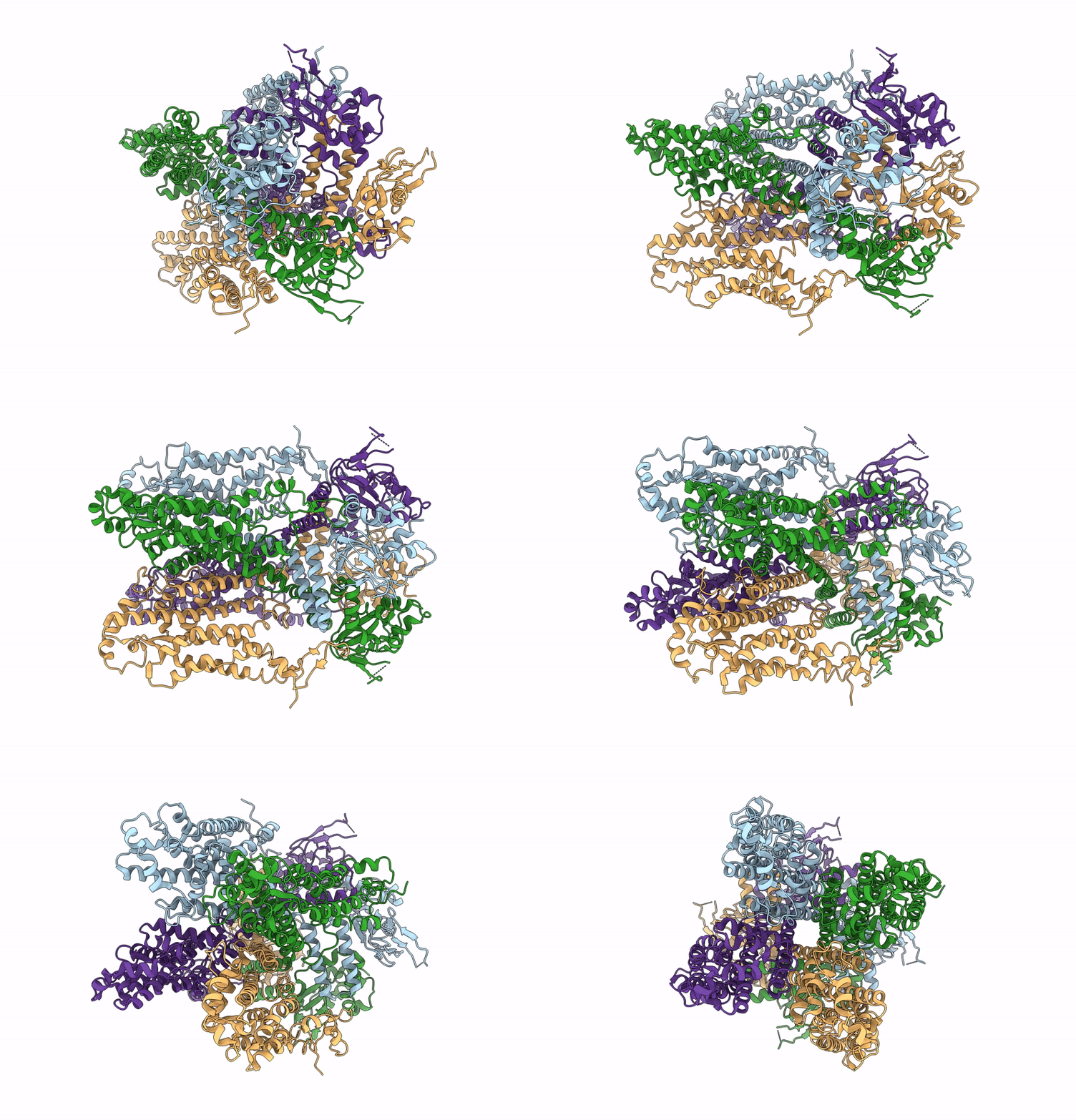
9J36 image
Deposition Date 2024-08-07
Release Date 2025-02-19
Last Version Date 2025-04-02
Entry Detail
PDB ID:
9J36
Keywords:
Title:
Cryo-EM structure of Arabidopsis CNGC5
Biological Source:
Source Organism:
Method Details:
Experimental Method:
Resolution:
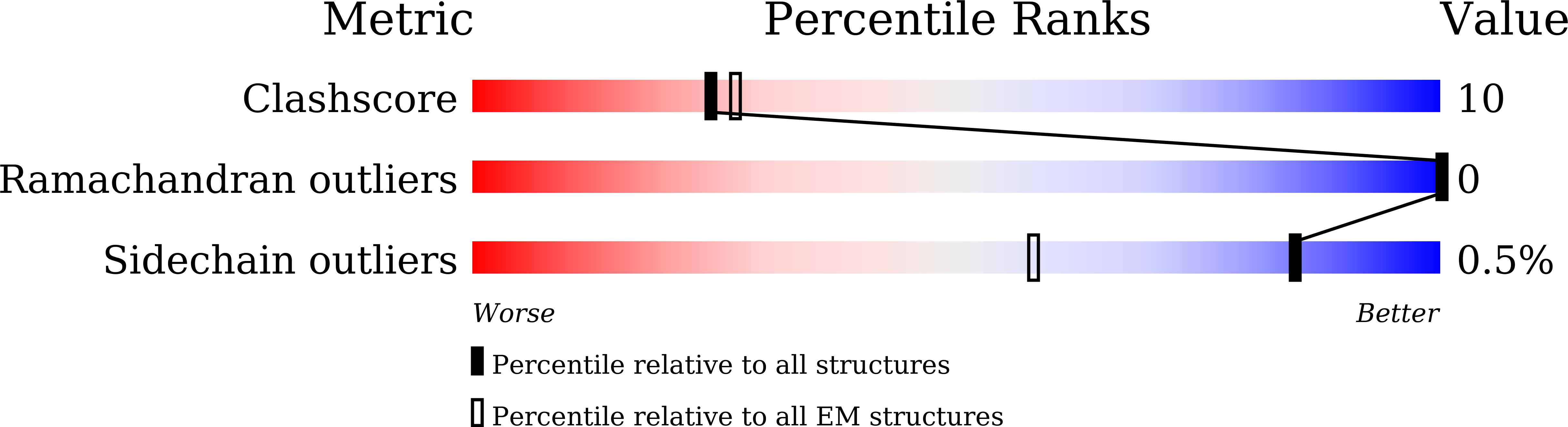
2.50 Å
Aggregation State:
PARTICLE
Reconstruction Method:
SINGLE PARTICLE
Macromolecular Entities
Structures with similar UniProt ID
Protein Blast
Polymer Type:polypeptide(L)
Molecule:Probable cyclic nucleotide-gated ion channel 5
Gene (Uniprot):CNGC5
Chain IDs:A, B (auth: C), C (auth: D), D (auth: B)
Chain Length:726
Number of Molecules:4
Biological Source:Arabidopsis thaliana
Ligand Molecules
Primary Citation
Cryo-EM structures of Arabidopsis CNGC1 and CNGC5 reveal molecular mechanisms underlying gating and calcium selectivity.
Nat.Plants 11 632 642 (2025)
PMID: 39979428 DOI: 10.1038/s41477-025-01923-z

Abstact

Plant cyclic nucleotide-gated channels (CNGCs) belong to the cyclic nucleotide-binding domain (CNBD) channel family, but are phylogenetically classified in a distinct branch. In contrast to their animal counterparts of K+-selective or non-selective cation channels, plant CNGCs mainly mediate Ca2+ influx and are involved in various physiological processes, such as stomatal movements, pollen-tube growth and immune responses. Here, we present the cryo-EM structure and electrophysiological analysis of plant CNGC representatives, Arabidopsis CNGC1 and CNGC5. We found that CNGC1 and CNGC5 contain a unique extracellular domain featuring disulfide bonds that is essential for channel gating via coupling of the voltage-sensing domain with the pore domain. The pore domain selectivity filter possesses a Gln residue at the constriction site that determines the Ca2+ selectivity. Replacement of this Gln with Glu, typically observed in CNBD-type non-selective cation channels, could convert CNGC1 and CNGC5 from Ca2+-selective channels to non-selective cation channels permeable to Ca2+, Na+ or K+. In addition, we found that the CNGC1 and CNGC5 CNBD homology domain contains intrinsic-ligand-like interactions, which may devoid the binding of cyclic nucleotides and lead to gating independent of cAMP or cGMP. This research not only provides a mechanistic understanding of plant CNGCs' function, but also adds to the comprehensive knowledge of the CNBD channels.

Legend

Protein

Chemical

Disease

Primary Citation of related structures
Feedback Form
Name
Email
Institute
Feedback