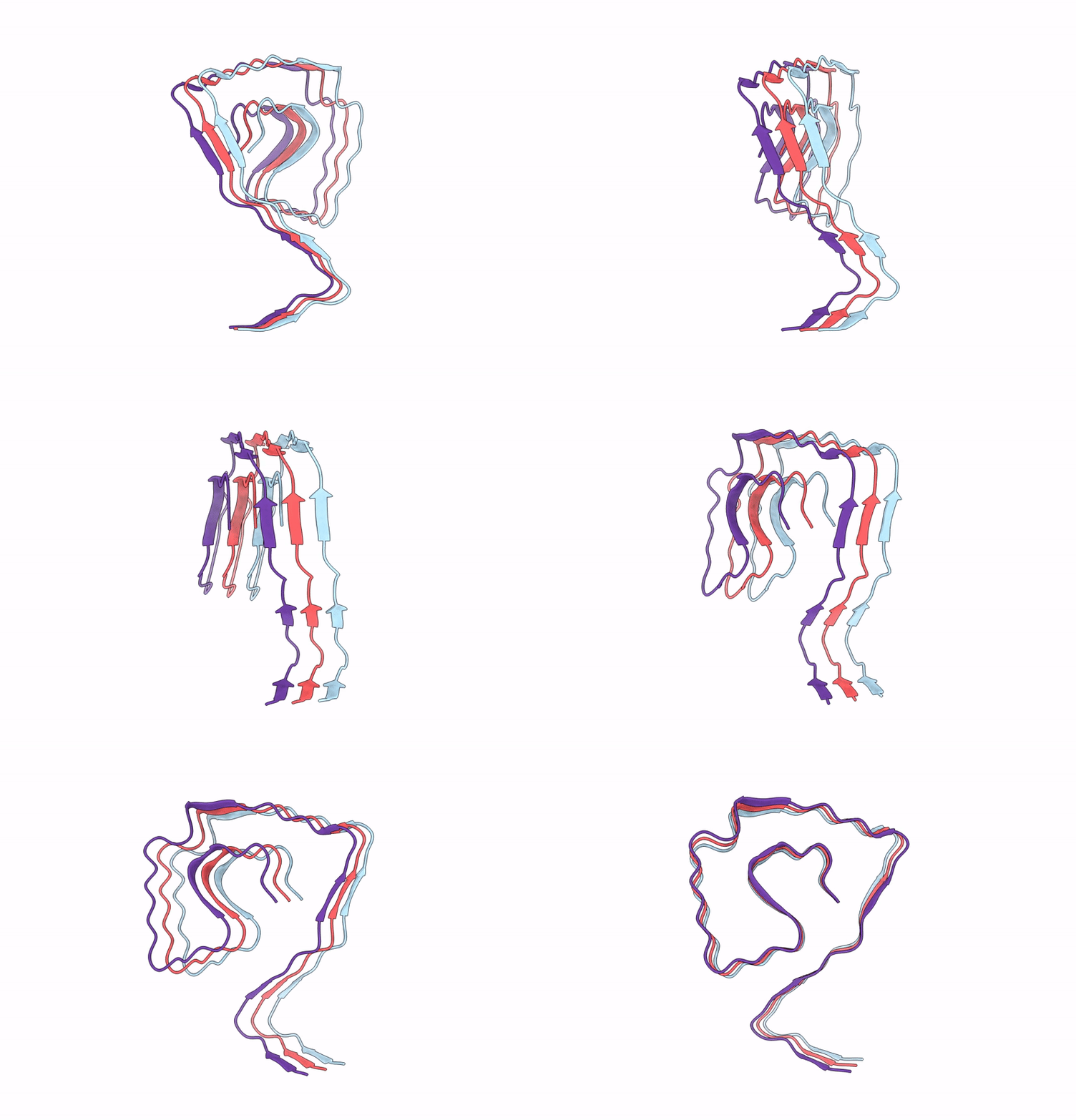
9IYJ image
Deposition Date 2024-07-30
Release Date 2025-10-29
Last Version Date 2025-10-29
Entry Detail
PDB ID:
9IYJ
Keywords:
Title:
Cryo-EM structure of an amyloid fibril formed by SOD1 mutant - D101N
Biological Source:
Source Organism:
Homo sapiens (Taxon ID: 9606)
Host Organism:
Method Details:
Experimental Method:
Resolution:
2.92 Å
Aggregation State:
HELICAL ARRAY
Reconstruction Method:
HELICAL
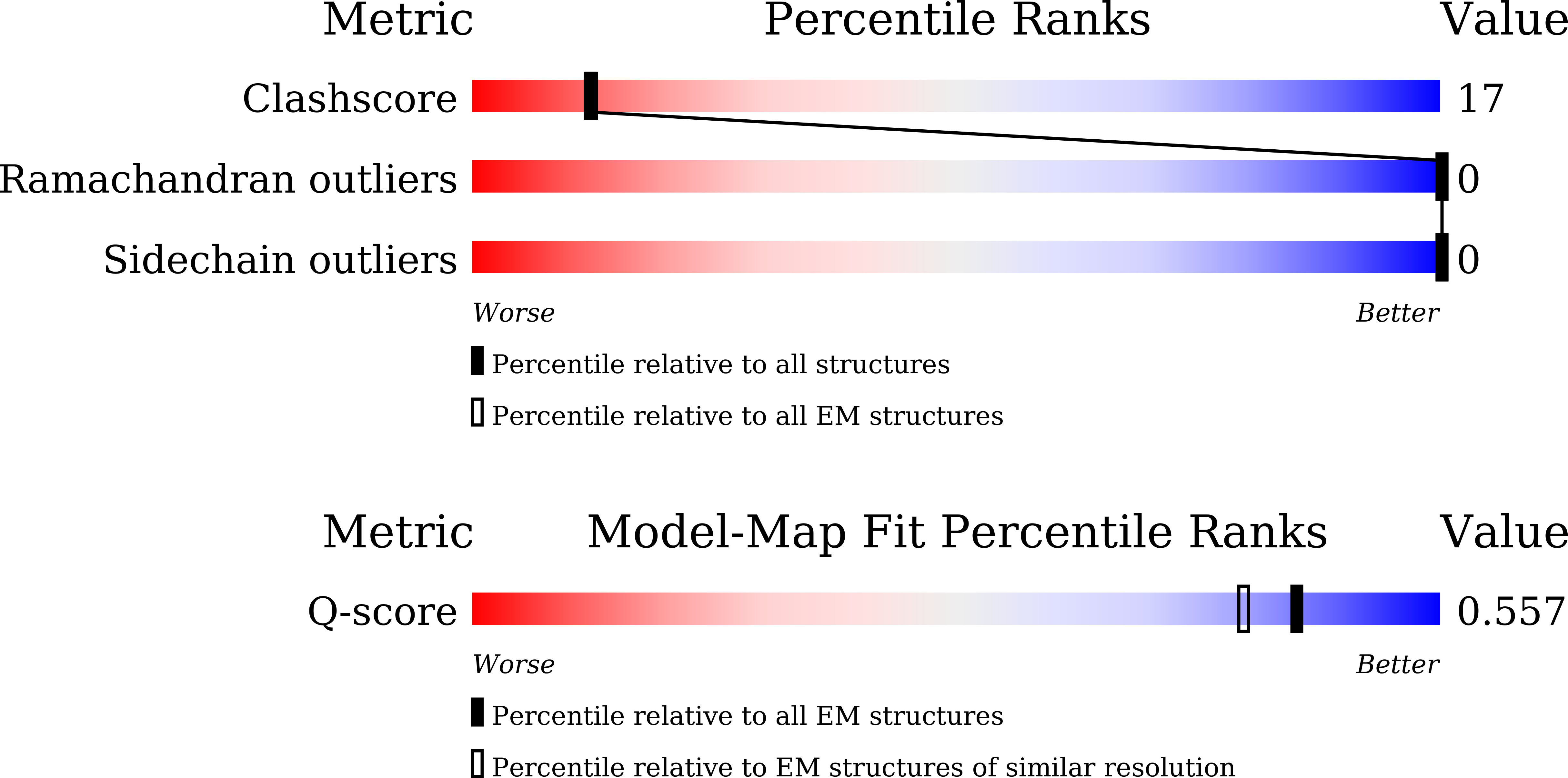
Macromolecular Entities
Structures with similar UniProt ID
Protein Blast
Polymer Type:polypeptide(L)
Molecule:Superoxide dismutase [Cu-Zn]
Gene (Uniprot):SOD1
Mutagens:D102N
Chain IDs:A, B, C
Chain Length:153
Number of Molecules:3
Biological Source:Homo sapiens
Ligand Molecules
Primary Citation
Distinct amyloid fibril structures formed by ALS-causing SOD1 mutants G93A and D101N.
Embo Rep. 26 4820 4846 (2025)
PMID: 40859014 DOI: 10.1038/s44319-025-00557-8

Abstact

Two hundred eight genetic mutations in SOD1 have been linked to amyotrophic lateral sclerosis (ALS). Of these, the G93A and D101N variants maintain much of their physiological function, closely resembling that of wild-type SOD1, and the SOD1-G93A transgenic mouse is the most extensively used mouse line in the study of ALS. In this study, we report two cryo-EM structures of amyloid fibrils formed by G93A and D101N mutants of SOD1 protein. These mutations give rise to amyloid fibrils with distinct structures compared to native SOD1 fibrils. The fibril core displays a serpentine configuration featuring four β-strands, held together by two hydrophobic cavities and a salt bridge between Arg143 and Asp96 in the G93A fibril, and by a hydrophobic cavity and a salt bridge between Arg143 and Asp132 in the D101N fibril, demonstrating unique structural features for each mutant. Moreover, our results show that G93A fibrils are significantly more toxic than those formed by D101N, which do not show a marked increase in toxicity compared to wild-type SOD1 fibrils. This study sheds light on the structural mechanisms through which SOD1 mutants aggregate and induce cytotoxicity in ALS.

Legend

Protein

Chemical

Disease

Primary Citation of related structures
Feedback Form
Name
Email
Institute
Feedback