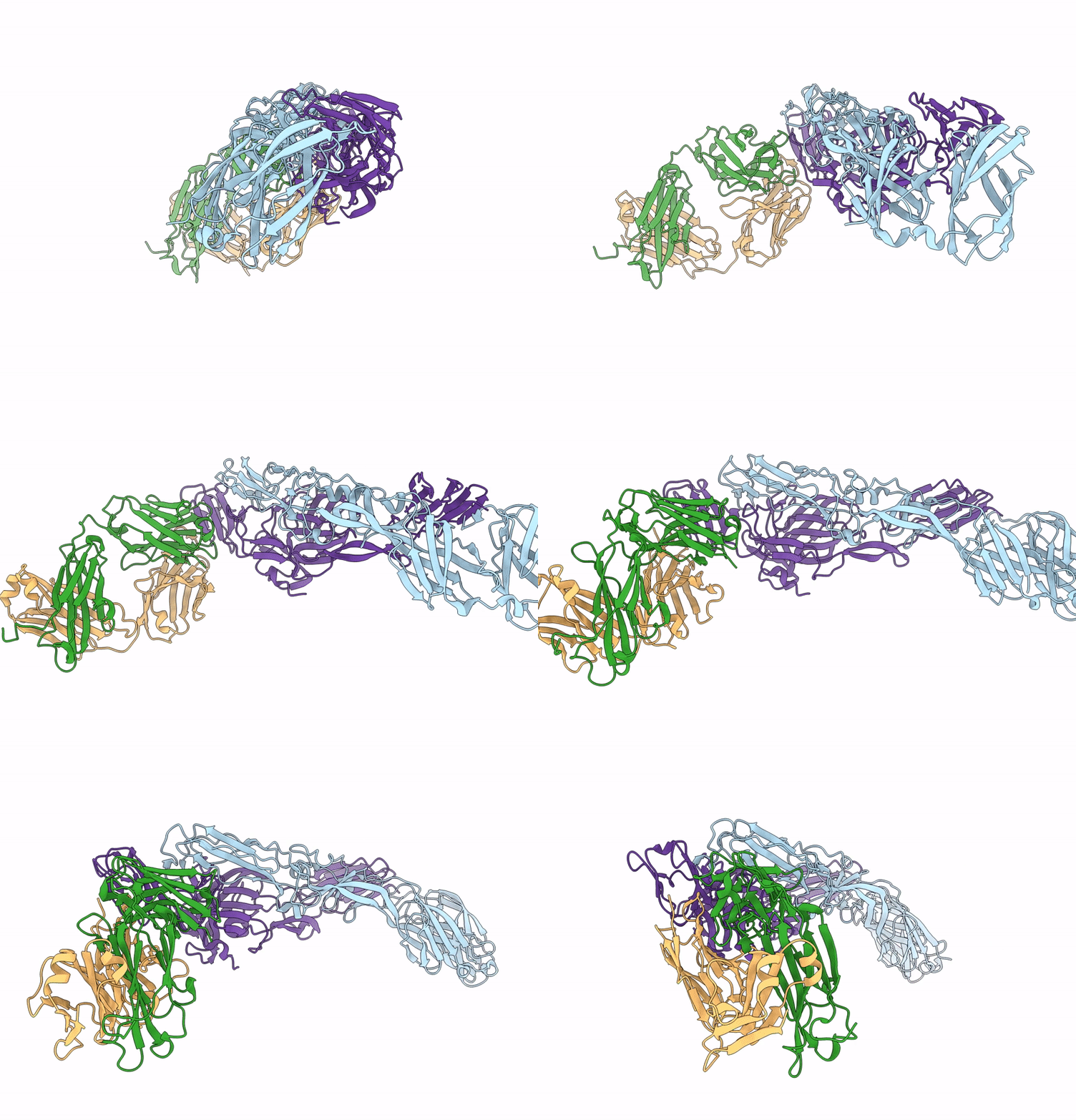
9IW2 image
Deposition Date 2024-07-25
Release Date 2025-07-30
Last Version Date 2025-11-19
Entry Detail
PDB ID:
9IW2
Title:
Chikungunya virus E protein complexed with C37 Fab
Biological Source:
Source Organism:
Chikungunya virus (Taxon ID: 37124)
Homo sapiens (Taxon ID: 9606)
Host Organism:
Method Details:
Experimental Method:
Resolution:
3.20 Å
R-Value Free:
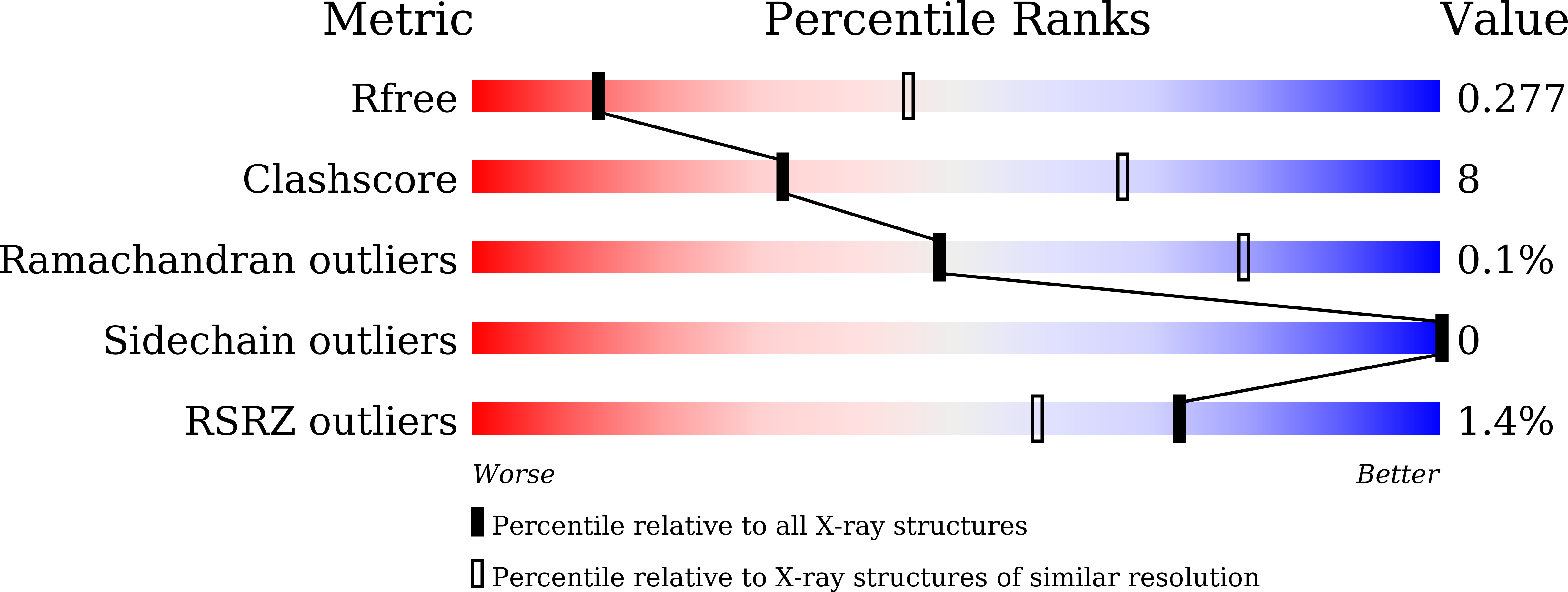
0.27
R-Value Work:
0.22
R-Value Observed:
0.22
Space Group:
P 21 21 21
Macromolecular Entities
Structures with similar UniProt ID
Protein Blast
Polymer Type:polypeptide(L)
Molecule:CHIKV E1
Chain IDs:A (auth: F)
Chain Length:432
Number of Molecules:1
Biological Source:Chikungunya virus
Polymer Type:polypeptide(L)
Molecule:C37 Heavy Chain
Chain IDs:B (auth: H)
Chain Length:265
Number of Molecules:1
Biological Source:Homo sapiens
Polymer Type:polypeptide(L)
Molecule:C37 light chain
Chain IDs:C (auth: L)
Chain Length:237
Number of Molecules:1
Biological Source:Homo sapiens
Structures with similar UniProt ID
Protein Blast
Polymer Type:polypeptide(L)
Molecule:Togavirin
Chain IDs:D (auth: P)
Chain Length:406
Number of Molecules:1
Biological Source:Chikungunya virus
Ligand Molecules
Primary Citation
Neutralizing antibodies against Chikungunya virus and structural elucidation of their mechanism of action.
Nat Commun 16 9682 9682 (2025)
PMID: 41184282 DOI: 10.1038/s41467-025-64687-2

Abstact

Chikungunya virus (CHIKV) is a mosquito-borne alphavirus that causes febrile illness and acute or chronic arthritis. Most therapeutics are still in the pre-clinical stage. In this study, we report the isolation of two neutralizing antibodies, C34 and C37, from a convalescent patient and investigate their mechanisms of action. Both C34 and C37 exhibit high neutralizing activities in vitro and demonstrate protective effects against CHIKV in a female mouse model. Our functional and structural studies reveal a mechanism that inhibits multiple stages of the virus infection cycle. Both antibodies bind with high affinity to an epitope spanning E2, E1, and the connecting β-strands, facilitating intra- and inter-virion crosslinking. Cryo-EM structures additionally identify a minor patch located beneath the E3 binding site on E2, which is allosterically exposed upon E3 dissociation during virus maturation. Functional and structural data further suggest that binding to the CHIKV receptor, Mxra8, is obstructed due to a clash between the antibodies and the stalk region of Mxra8. Our results highlight the potential of antibody-based therapeutics against CHIKV and elucidate the mechanisms of monoclonal antibody protection.

Legend

Protein

Chemical

Disease

Primary Citation of related structures
Feedback Form
Name
Email
Institute
Feedback