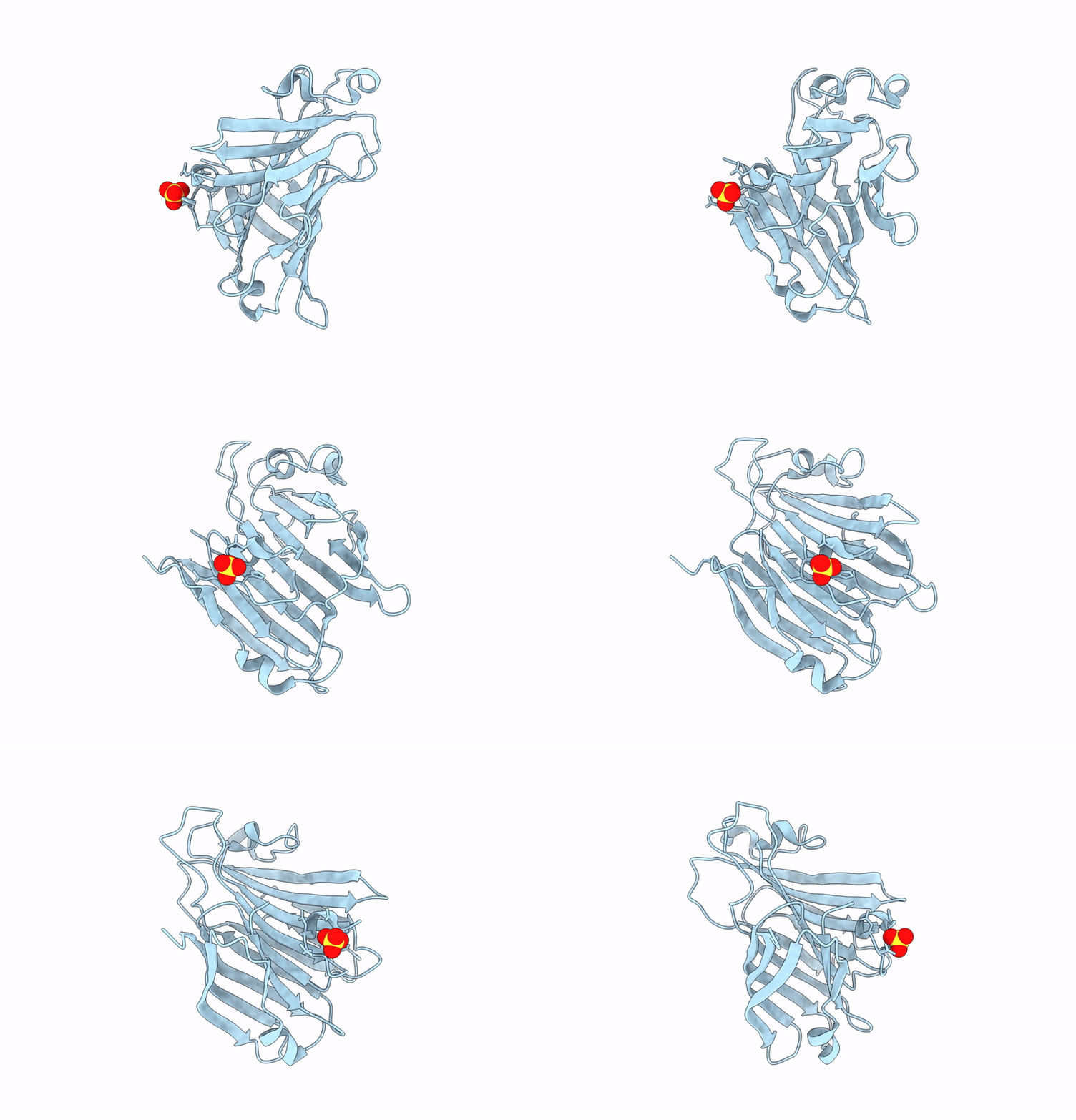
9H9S image
Deposition Date 2024-10-31
Release Date 2025-08-20
Last Version Date 2025-08-20
Entry Detail
PDB ID:
9H9S
Title:
Crystal structure of a lectin-like protein from Ustilago maydis
Biological Source:
Source Organism:
Host Organism:
Method Details:
Experimental Method:
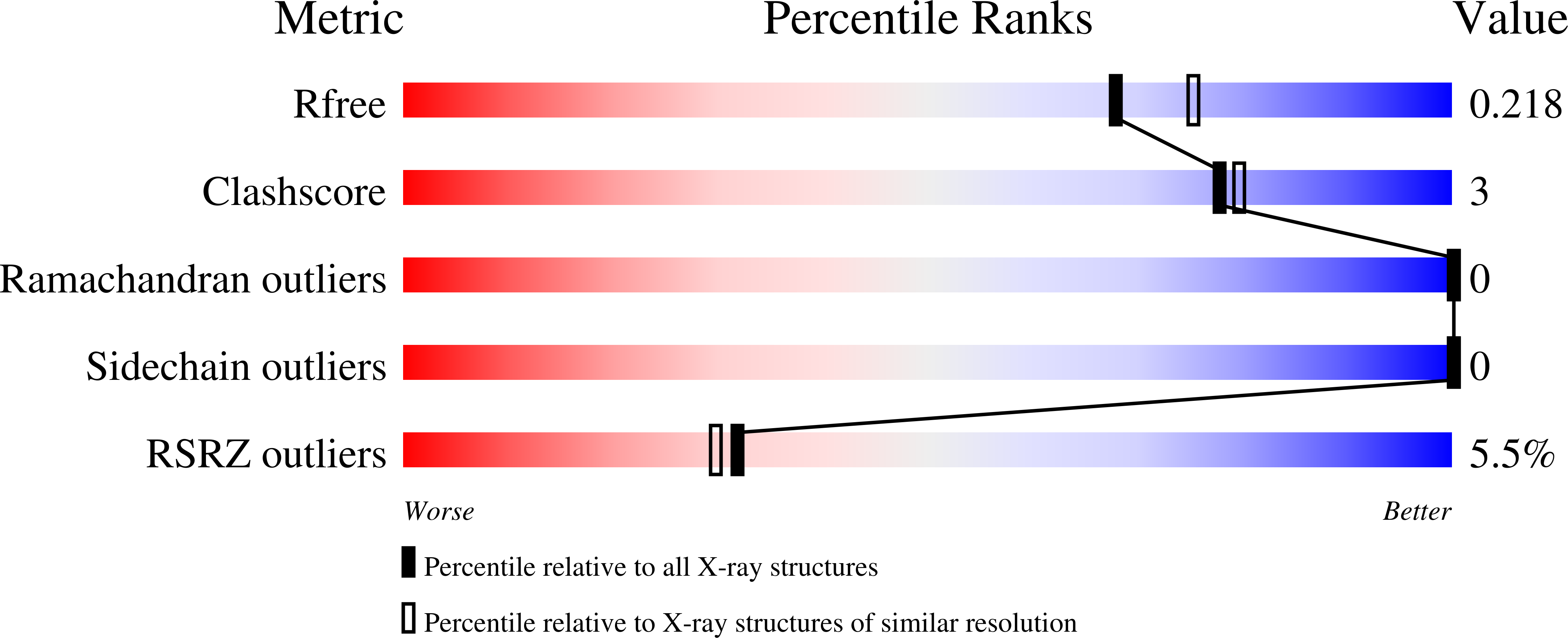
Resolution:
2.01 Å
R-Value Free:
0.21
R-Value Work:
0.18
R-Value Observed:
0.18
Space Group:
F 2 3
Macromolecular Entities
Structures with similar UniProt ID
Protein Blast
Polymer Type:polypeptide(L)
Molecule:Llp1
Gene (Uniprot):UMAG_00027
Chain IDs:A
Chain Length:237
Number of Molecules:1
Biological Source:Mycosarcoma maydis
Ligand Molecules
Primary Citation
Structural and Functional Analysis of the Lectin-like Protein Llp1 Secreted by Ustilago maydis upon Infection of Maize.
J Fungi 11 ? ? (2025)
PMID: 39997458 DOI: 10.3390/jof11020164

Abstact

The biotrophic fungus Ustilago maydis, which causes smut disease in maize, secretes numerous proteins upon plant colonization. Some of them, termed effectors, help to evade plant defenses and manipulate cellular processes within the host. The function of many proteins specifically secreted during infection remains elusive. In this study, we biochemically characterized one such protein, UMAG_00027, that is highly expressed during plant infection. We show that UMAG_00027 is a secreted protein with a lectin-like fold and therefore term it Llp1 (lectin-like-protein 1). Llp1 decorated the fungal cell wall of cells grown in axenic culture or proliferating in planta, which is in agreement with its potential sugar-binding ability. We were unable to identify the precise sugar moieties that are bound by Llp1. CRISPR/Cas9-mediated deletion of llp1 reveals that the gene is not essential for fungal virulence. A structural search shows the presence of several other lectin-like proteins in U. maydis that might compensate for the function of Llp1 in ∆llp1 mutants. We therefore speculate that Llp1 is part of a family of lectin-like proteins with redundant functions.

Legend

Protein

Chemical

Disease

Primary Citation of related structures
Feedback Form
Name
Email
Institute
Feedback