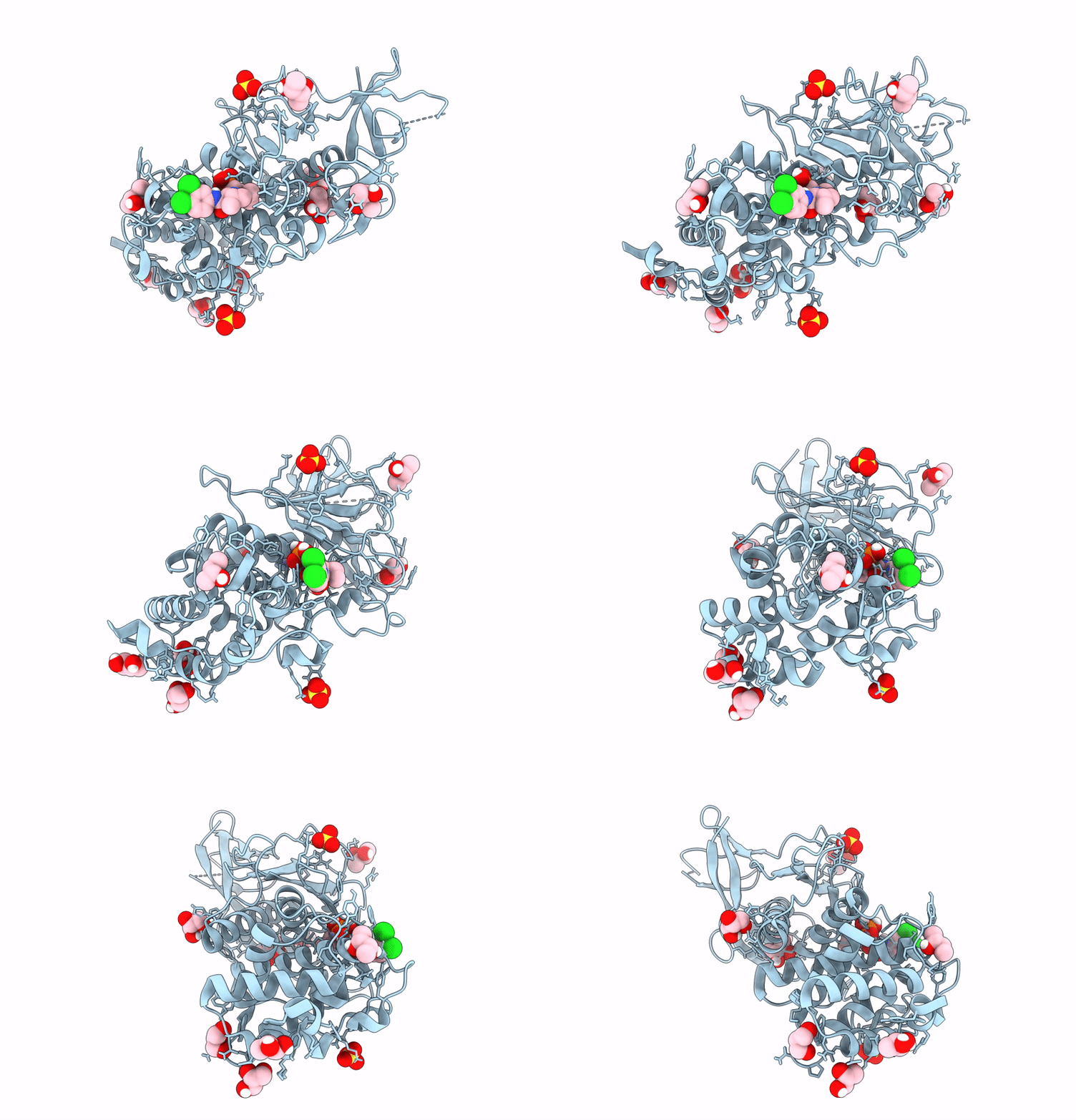
9H0Y image
Deposition Date 2024-10-09
Release Date 2025-06-18
Last Version Date 2025-06-18
Entry Detail
PDB ID:
9H0Y
Keywords:
Title:
ProA in complex with inhibitor 7
Biological Source:
Source Organism:
Method Details:
Experimental Method:
Resolution:
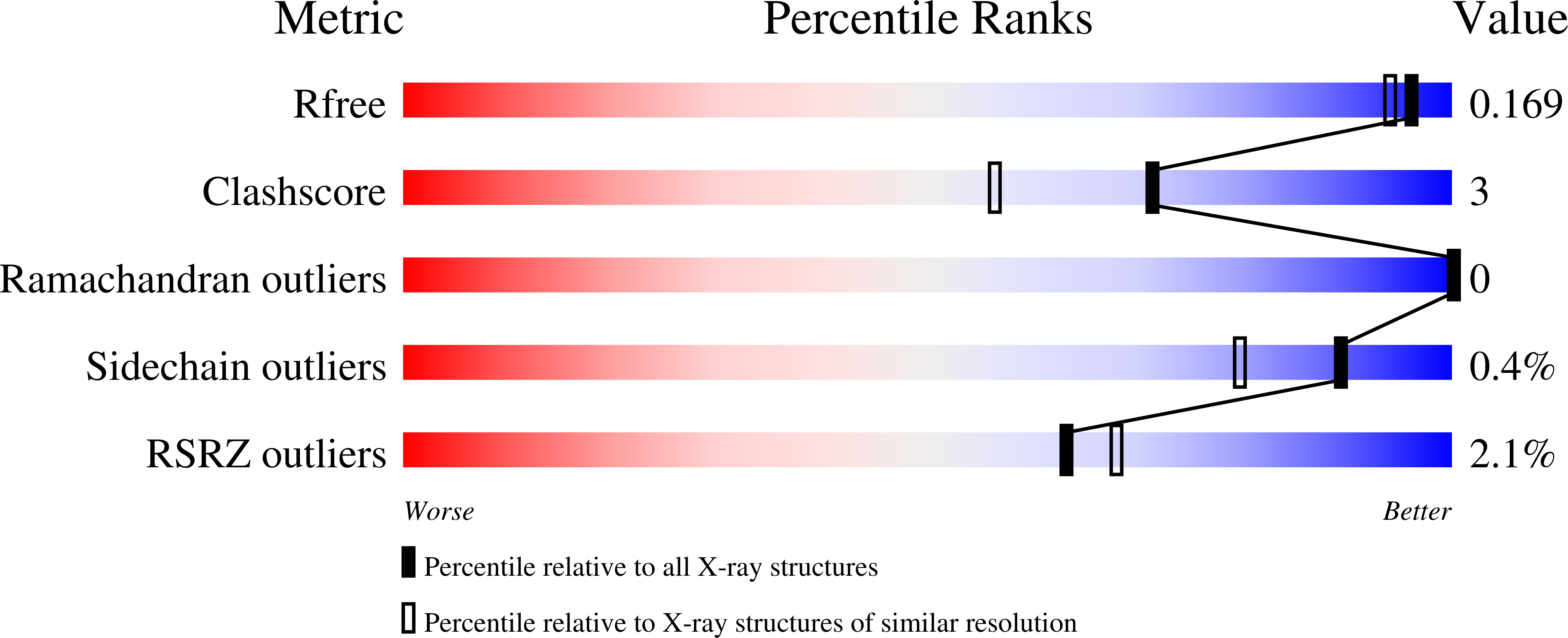
1.51 Å
R-Value Free:
0.16
R-Value Work:
0.15
R-Value Observed:
0.15
Space Group:
P 1 21 1
Macromolecular Entities
Structures with similar UniProt ID
Protein Blast
Polymer Type:polypeptide(L)
Molecule:Zinc metalloproteinase
Chain IDs:A
Chain Length:336
Number of Molecules:1
Biological Source:Legionella pneumophila str. Corby
Primary Citation
Innovative zinc-binding inhibitors of Legionella pneumophila ProA reduce collagen and flagellin degradation, TLR5 evasion, and human lung tissue inflammation.
Eur.J.Med.Chem. 296 117832 117832 (2025)
PMID: 40479898 DOI: 10.1016/j.ejmech.2025.117832

Abstact

Legionnaires' disease is a severe pneumonia caused by the aquatic bacterium Legionella pneumophila. In recent years, the number of cases has continuously increased according to the distribution of aerosol-producing technologies, global warming, and demographic ageing, which elevates bacterial transmission, environmental cell counts and host susceptibility. Despite the availability of an antibiotic therapy, this treatment cannot eradicate the risk of irreversible symptoms or high mortality rates. The bacterial zinc metalloprotease ProA significantly contributes to life-threatening tissue damage in patients and hence promotes progression of the disease. We hypothesize that additional application of an inhibitory agent against this protease may reduce serious complications and the risk of respiratory failure until successful bacterial clearance. Here we present a newly designed set of zinc-binding compounds and evaluated their inhibitory effects on the versatile physiological activity of ProA during infection. We identified a potent phosphonate inhibitor, which reduces ProA-dependent cleavage of host collagen IV and bacterial flagellin, immune evasion from the TLR5-NF-κB pathway and PMN-mediated inflammation in human lung tissue explants (HLTEs). Based on efficacy at the biochemical, cellular and tissue levels and the results of ProA co-crystallizations, we conclude that the selected inhibitors represent promising lead structures for the future development of clinically applicable pathoblockers against Legionnaires' disease.

Legend

Protein

Chemical

Disease

Primary Citation of related structures
Feedback Form
Name
Email
Institute
Feedback