9FC2 image
Deposition Date 2024-05-15
Release Date 2025-06-11
Last Version Date 2025-06-11
Entry Detail
PDB ID:
9FC2
Title:
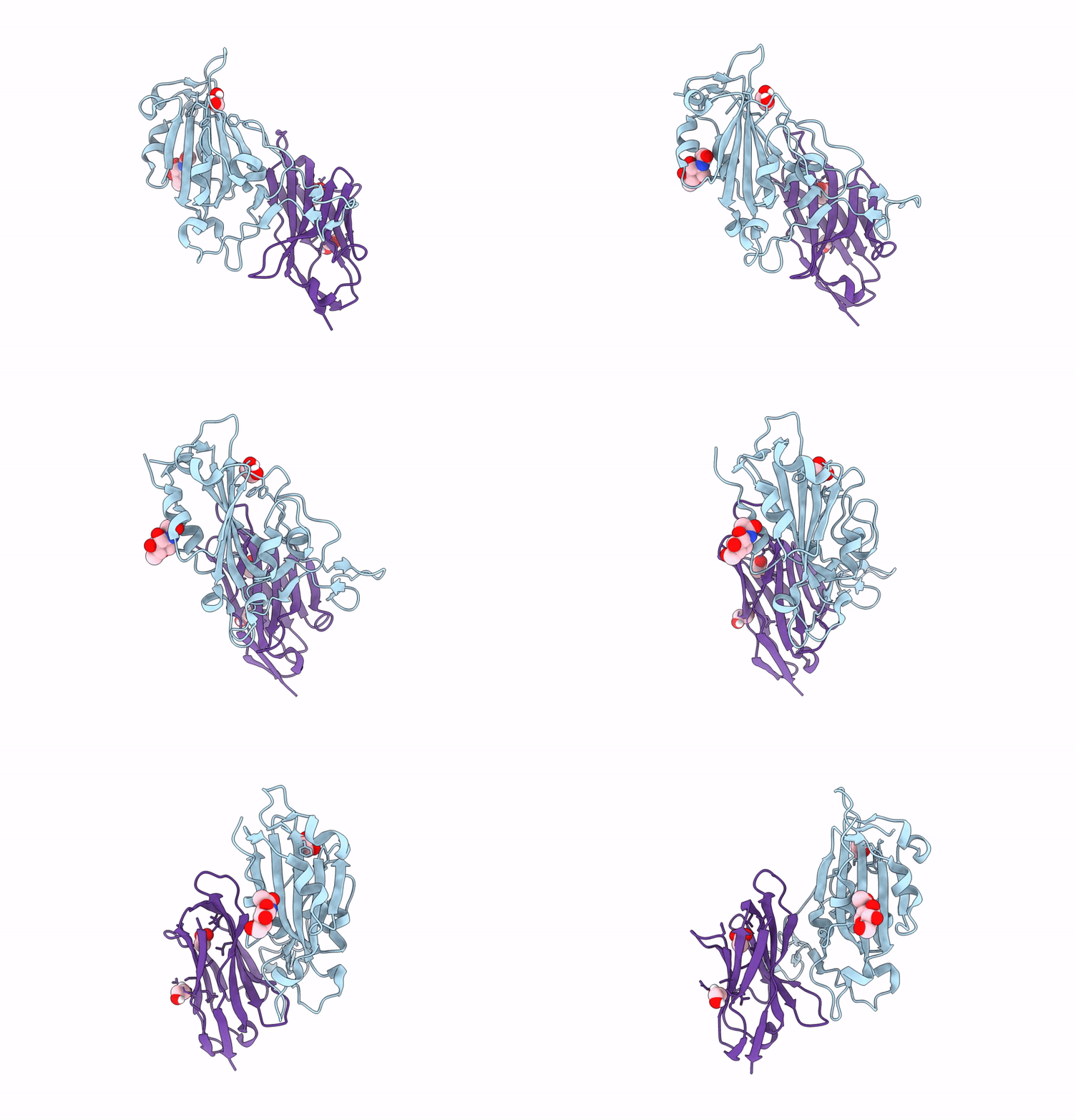
The crystal structure of the SARS-CoV-2 receptor binding domain in complex with the neutralizing nanobody 4.
Biological Source:
Method Details:
Experimental Method:
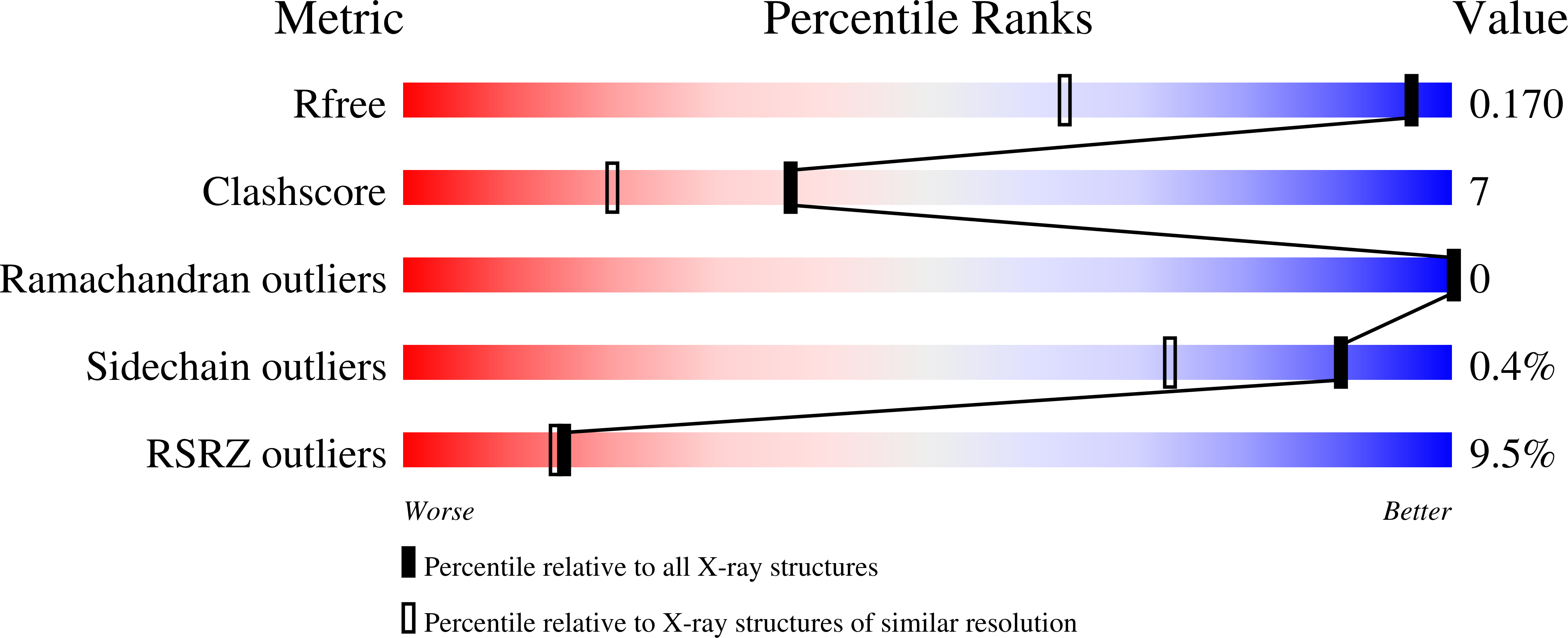
Resolution:
1.21 Å
R-Value Free:
0.16
R-Value Work:
0.15
R-Value Observed:
0.15
Space Group:
P 61
Macromolecular Entities
Structures with similar UniProt ID
Protein Blast
Polymer Type:polypeptide(L)
Molecule:Spike protein S1
Gene (Uniprot):S
Chain IDs:A
Chain Length:207
Number of Molecules:1
Biological Source:Severe acute respiratory syndrome coronavirus 2
Polymer Type:polypeptide(L)
Molecule:Nanobody 4
Chain IDs:B
Chain Length:125
Number of Molecules:1
Biological Source:Camelus dromedarius
Primary Citation

Abstact

To generate antibodies (Abs) against SARS-CoV-2 emerging variants, we integrated multiple tools and engineered molecules with excellent neutralizing breadth and potency. Initially, the screening of an immune library identified a nanobody (Nb), termed Nb4, specific to the receptor-binding domain (RBD) of the Omicron BA.1 variant. A Nb4-derived heavy chain antibody (hcAb4) recognized the spike (S) of the Wuhan, Beta, Delta, Omicron BA.1, and BA.5 SARS-CoV-2 variants. A high-resolution crystal structure of the Nb4 variable (VHH) domain in complex with the SARS-CoV-2 RBD (Wuhan) defined the Nb4 binding mode and interface. The Nb4 VHH domain grasped the RBD and covered most of its outer face, including the core and the receptor-binding motif (RBM), which was consistent with hcAb4 blocking RBD binding to the SARS-CoV-2 receptor. In mouse models, a humanized hcAb4 showed therapeutic potential and prevented the replication of SARS-CoV-2 BA.1 virus in the lungs of the animals. In vitro, hcAb4 neutralized Wuhan, Beta, Delta, Omicron BA.1, and BA.5 viral variants, as well as the BQ.1.1 subvariant, but showed poor neutralization against the Omicron XBB.1.5. Structure-based computation of the RBD-Nb4 interface identified three Nb4 residues with a reduced contribution to the interaction with the XBB.1.5 RBD. Site-saturation mutagenesis of these residues resulted in two hcAb4 mutants with enhanced XBB.1.5 S binding and virus neutralization, further improved by mutant Nb4 trimers. This research highlights an approach that combines library screening, Nb engineering, and structure-based computational predictions for the generation of SARS-CoV-2 Omicron-specific Abs and their adaptation to emerging variants.

Legend

Protein

Chemical

Disease

Primary Citation of related structures
Feedback Form
Name
Email
Institute
Feedback