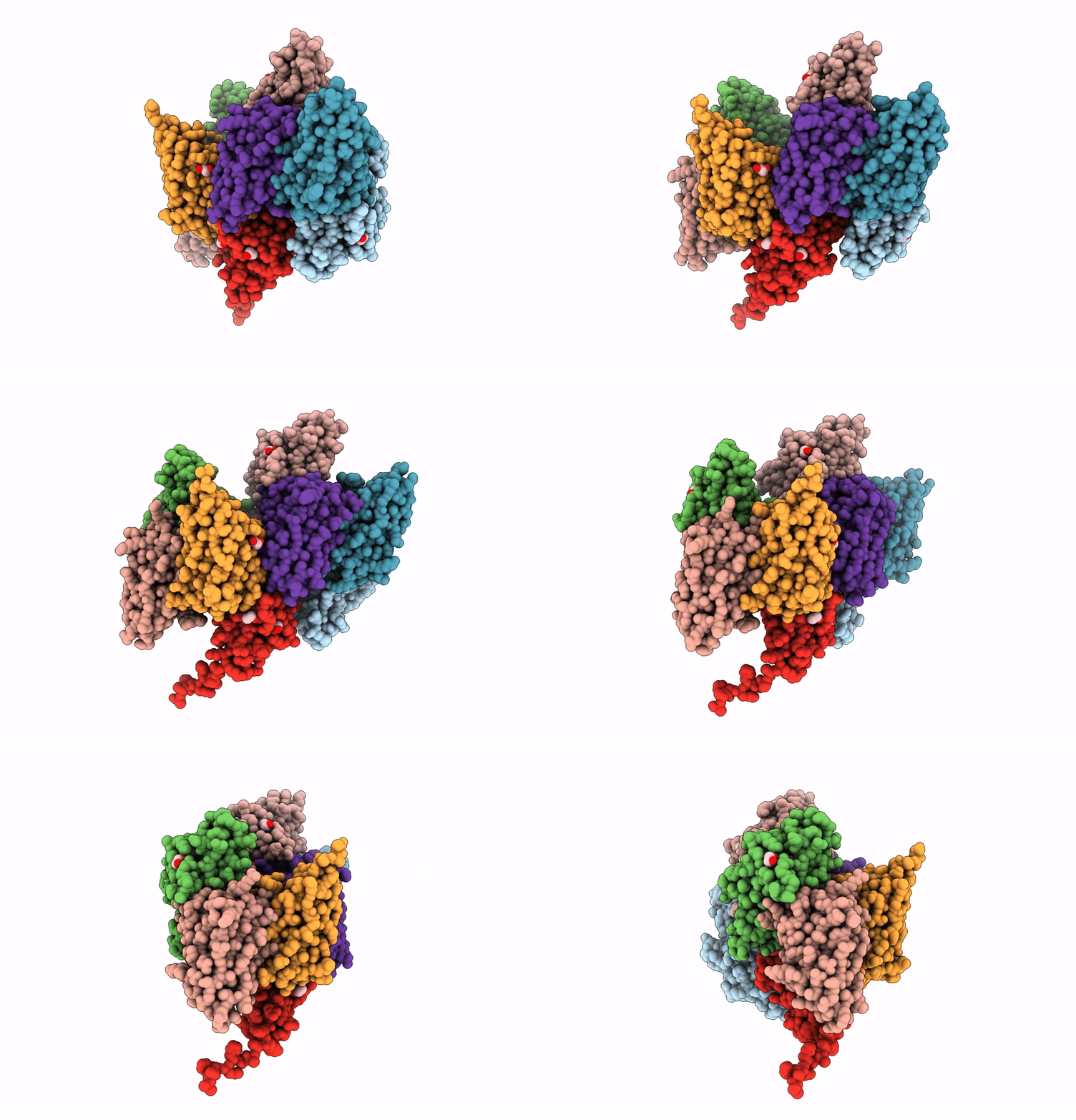
9EZW image
Deposition Date 2024-04-14
Release Date 2025-10-29
Last Version Date 2026-01-21
Entry Detail
PDB ID:
9EZW
Keywords:
Title:
Structure of the single-domain antibody VHH_h3 in complex with human Vsig4
Biological Source:
Source Organism(s):
Homo sapiens (Taxon ID: 9606)
Expression System(s):
Method Details:
Experimental Method:
Resolution:
1.90 Å
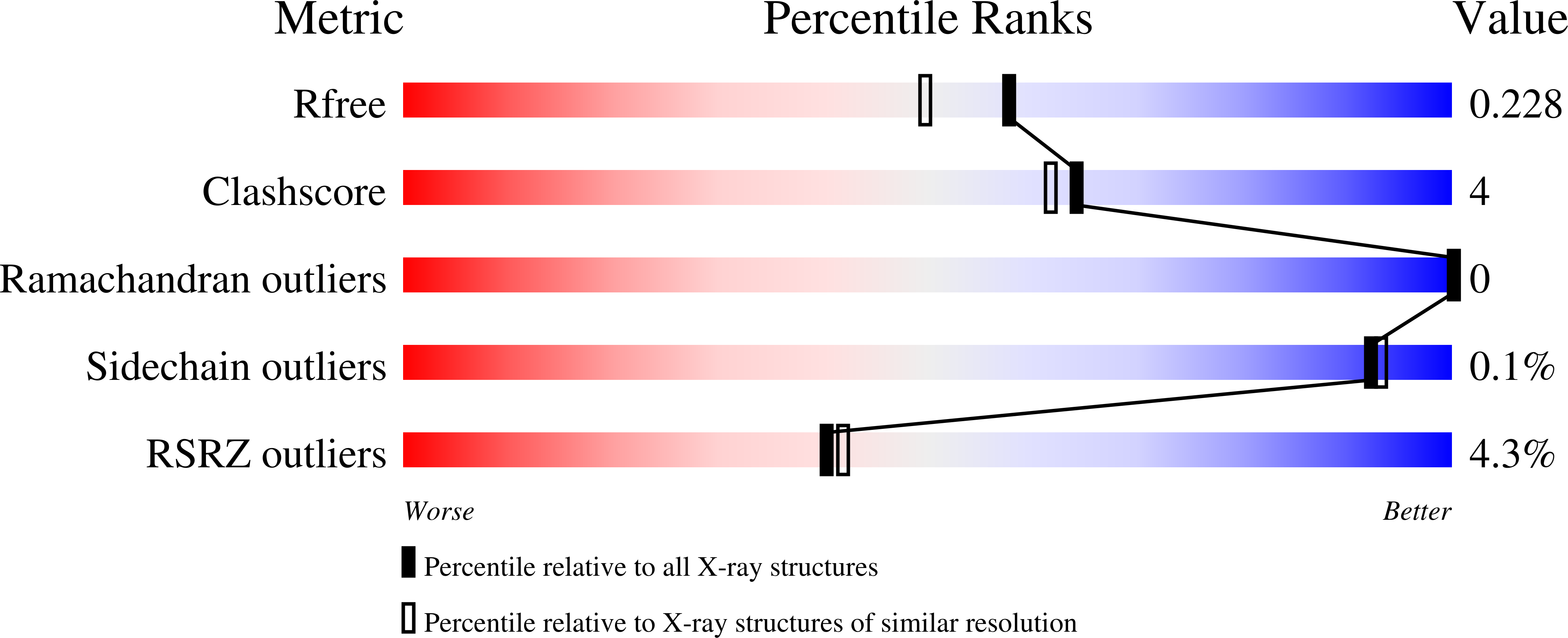
R-Value Free:
0.22
R-Value Work:
0.19
R-Value Observed:
0.19
Space Group:
P 21 21 21
Macromolecular Entities
Structures with similar UniProt ID
Protein Blast
Polymer Type:polypeptide(L)
Molecule:V-set and immunoglobulin domain-containing protein 4
Gene (Uniprot):VSIG4
Chain IDs:A, C, E, G
Chain Length:127
Number of Molecules:4
Biological Source:Homo sapiens
Polymer Type:polypeptide(L)
Molecule:single-domain antibody VHH_h3
Chain IDs:B, D, F, H
Chain Length:134
Number of Molecules:4
Biological Source:Homo sapiens
Primary Citation

Abstact

Designing antibodies is complex and resource intensive. While deep learning and generative approaches have shown promise in the design of protein binders, achieving high affinity and stability remains challenging. We introduce EvolveX, a structure-based antibody design pipeline leveraging the empirical force field FoldX to design complementarity-determining regions (CDRs) of single-domain antibodies (VHHs). We demonstrate the ability of EvolveX to redesign a VHH targeting mouse Vsig4 (mVsig4) to address two challenges: enhancing stability and affinity for mVsig4 and redesigning it for high affinity to the human ortholog. Notably, EvolveX improved the binding affinity of VHHs to human Vsig4 by over 1,000-fold. Structural analyses by X-ray crystallography confirmed design accuracy. Next-generation sequencing (NGS) analysis further demonstrated the efficiency of FoldX-based design pipeline. Collectively, our study highlights EvolveX's potential to overcome current limitations in antibody design, offering a powerful tool for the development of therapeutics with enhanced specificity, stability, and efficacy.

Legend

Protein

Chemical

Disease

Primary Citation of related structures
Feedback Form
Name
Email
Institute
Feedback