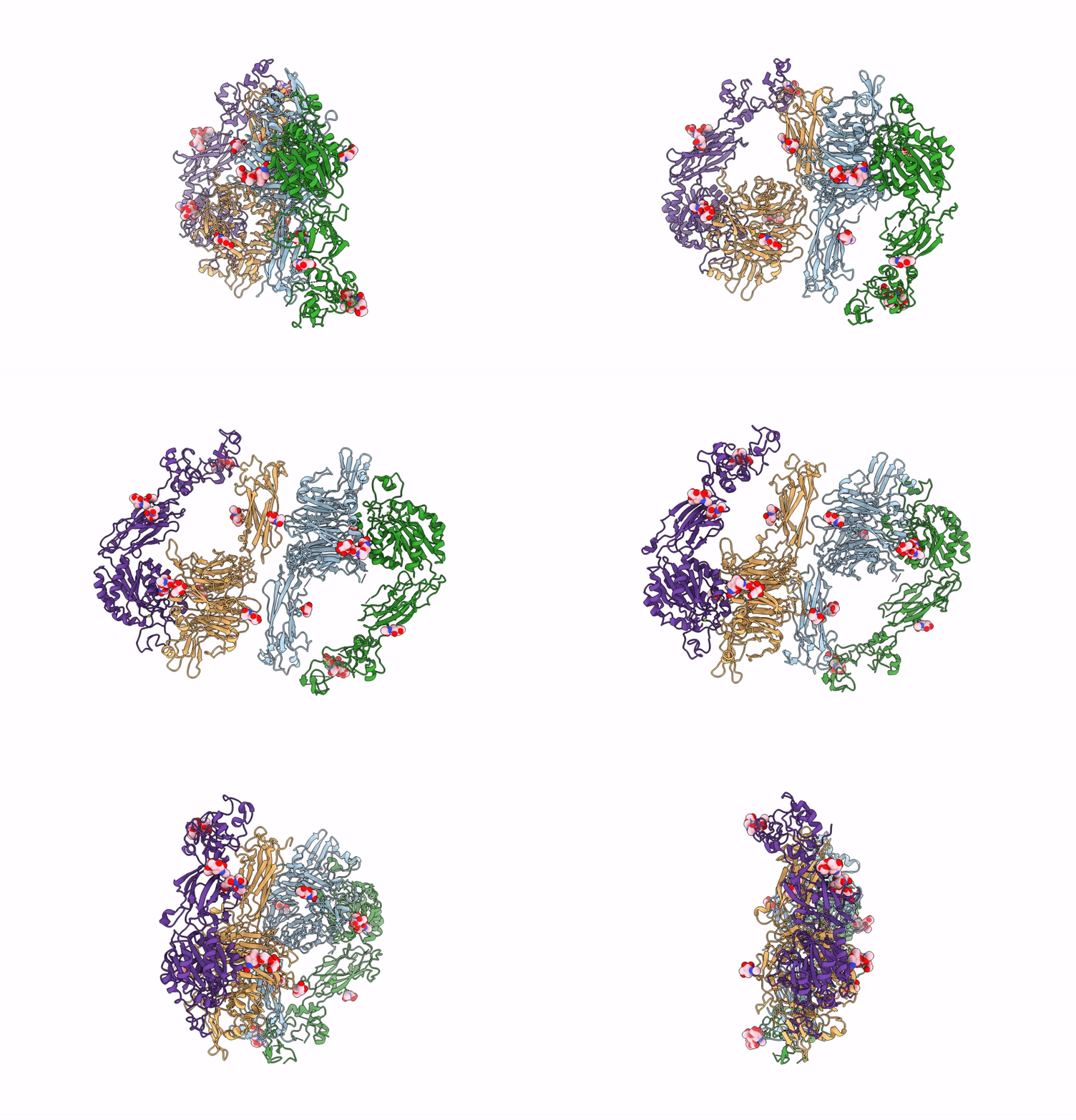
9E8C image
Deposition Date 2024-11-05
Release Date 2025-10-15
Last Version Date 2025-10-15
Entry Detail
PDB ID:
9E8C
Keywords:
Title:
Integrin aIIbb3 dimer conformation from human platelet membrane crude preparation
Biological Source:
Source Organism:
Homo sapiens (Taxon ID: 9606)
Method Details:
Experimental Method:
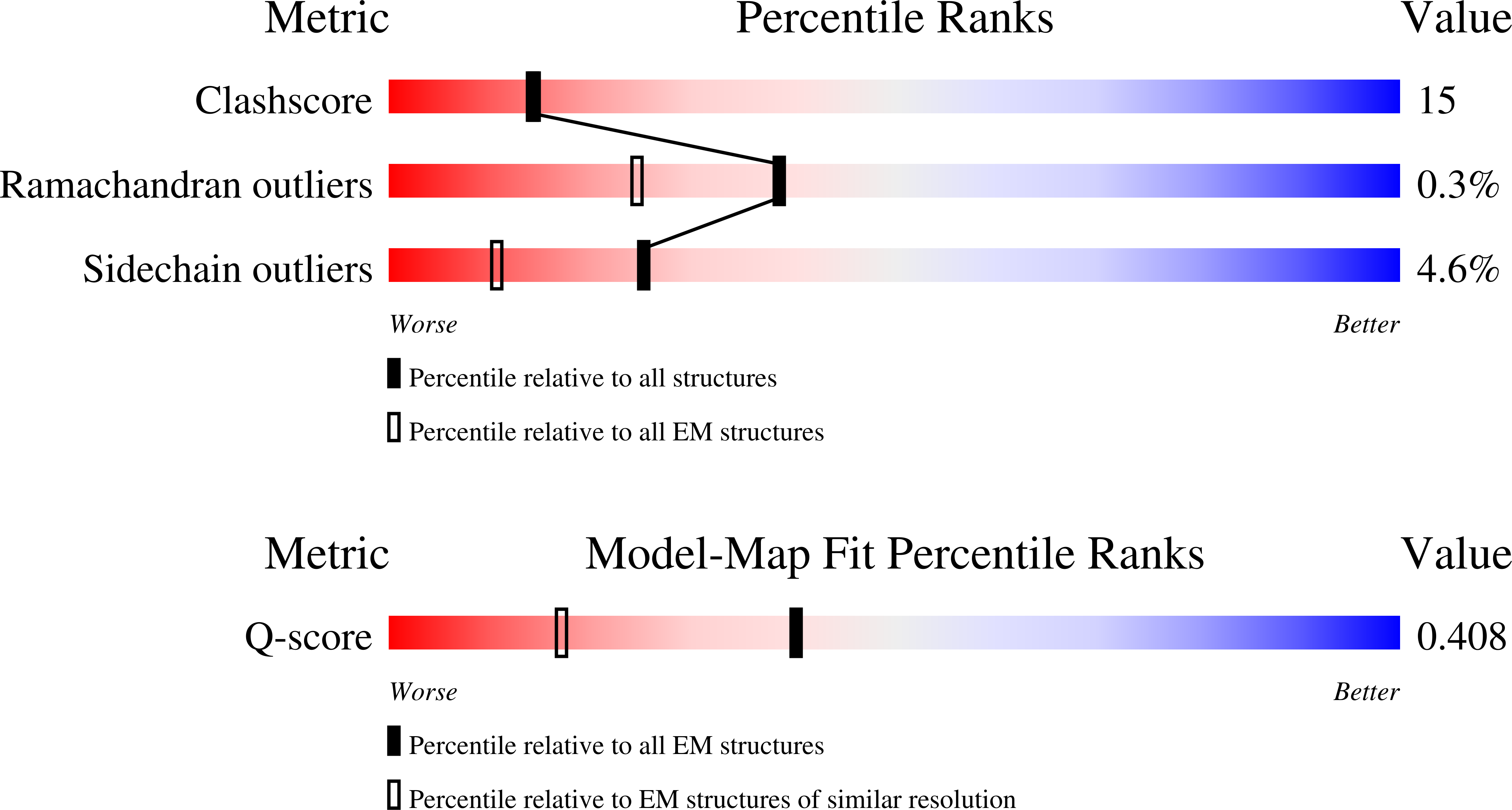
Resolution:
3.00 Å
Aggregation State:
PARTICLE
Reconstruction Method:
SINGLE PARTICLE
Macromolecular Entities
Structures with similar UniProt ID
Protein Blast
Polymer Type:polypeptide(L)
Molecule:Integrin alpha-IIb
Gene (Uniprot):ITGA2B
Chain IDs:A, C
Chain Length:1039
Number of Molecules:2
Biological Source:Homo sapiens
Structures with similar UniProt ID
Protein Blast
Polymer Type:polypeptide(L)
Molecule:Integrin beta-3
Gene (Uniprot):ITGB3
Chain IDs:B, D
Chain Length:788
Number of Molecules:2
Biological Source:Homo sapiens
Primary Citation
Elucidating the dynamics of integrin alpha IIb beta 3 from native platelet membranes by cryo-EM with build-and-retrieve method.
Blood Adv 9 4592 4606 (2025)
PMID: 40472320 DOI: 10.1182/bloodadvances.2025016209

Abstact

Platelets fulfill their essential physiological roles sensing the extracellular environment through their membrane proteins. The native membrane environment provides essential regulatory cues that affect the protein structure and mechanism of action. Single-particle cryogenic electron microscopy (cryo-EM) has transformed structural biology by allowing high-resolution structures of membrane proteins to be solved from homogeneous samples. Our recent breakthroughs in data processing now make it feasible to obtain atomic-level-resolution protein structures from crude preparations in their native environments by integrating cryo-EM with the "build-and-retrieve" (BaR) data processing methodology. We applied this iterative bottom-up methodology on resting human platelet membranes for an in-depth systems biology approach to uncover how lipids, metal binding, post-translational modifications, and cofactor associations in the native environment regulate platelet function at the molecular level. Here, we report using cryo-EM followed by the BaR method to solve the unmodified integrin αIIbβ3 structure directly from resting human platelet membranes in its inactivated and intermediate states at 2.75 and 2.67 Å, respectively. Furthermore, we also solved a novel dimer conformation of αIIbβ3 at 2.85 Å formed by 2 intermediate states of αIIbβ3. This may indicate a previously unknown self-regulatory mechanism of αIIbβ3 in its native environment. In conclusion, our data show the power of using cryo-EM with the BaR method to determine 3 distinct structures including a novel dimer directly from natural sources. This approach allows us to identify unrecognized regulation mechanisms for proteins without artifacts owing to purification processes. These data have the potential to enrich our understanding of platelet signaling circuitry.

Legend

Protein

Chemical

Disease

Primary Citation of related structures
Feedback Form
Name
Email
Institute
Feedback