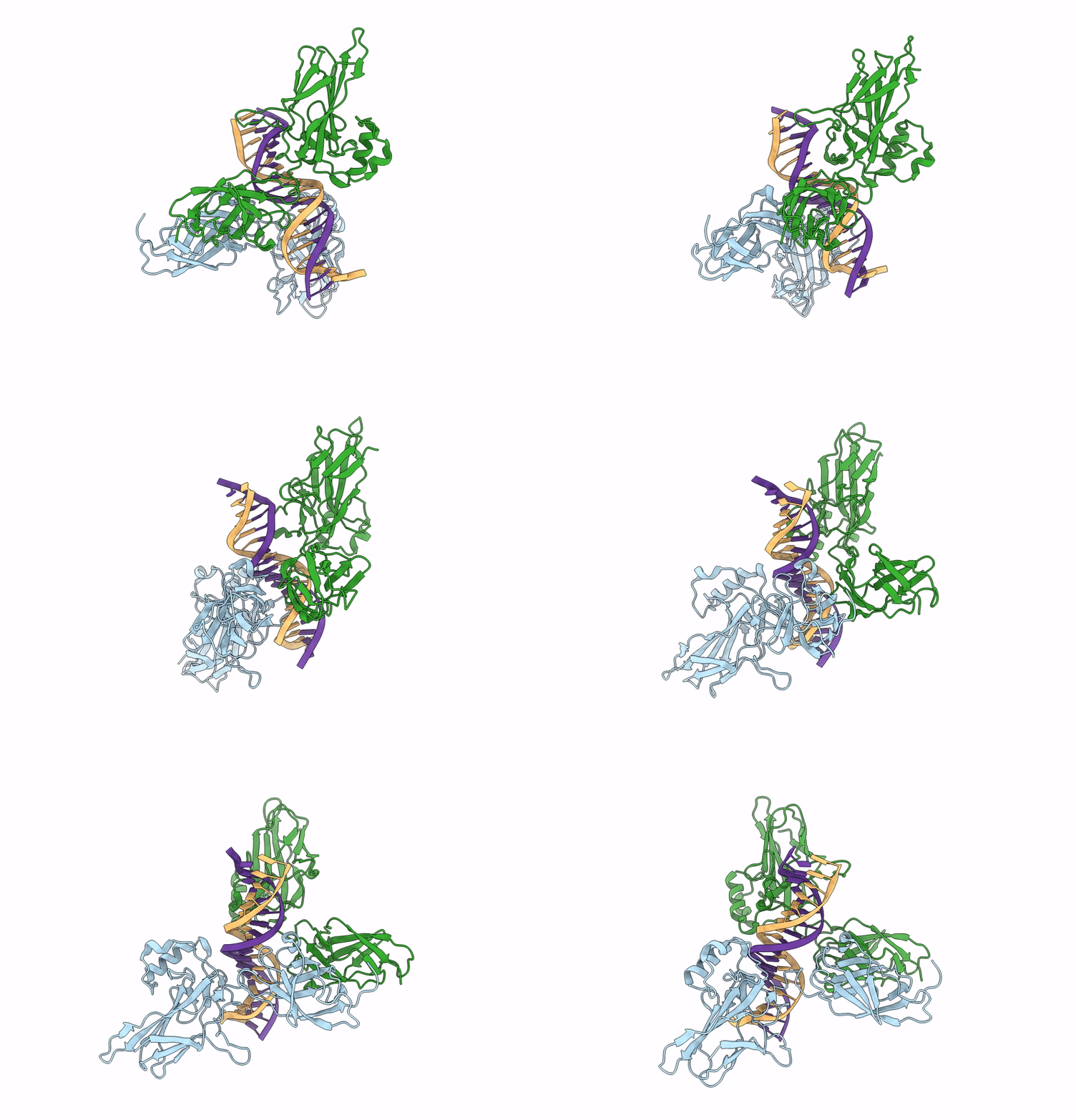
9E6W image
Deposition Date 2024-10-31
Release Date 2025-09-17
Last Version Date 2025-10-22
Entry Detail
PDB ID:
9E6W
Title:
NF-kappaB RelA homo-dimer bound to a kappaB site of Cxcl2 gene
Biological Source:
Source Organism(s):
Mus musculus (Taxon ID: 10090)
Expression System(s):
Method Details:
Experimental Method:
Resolution:
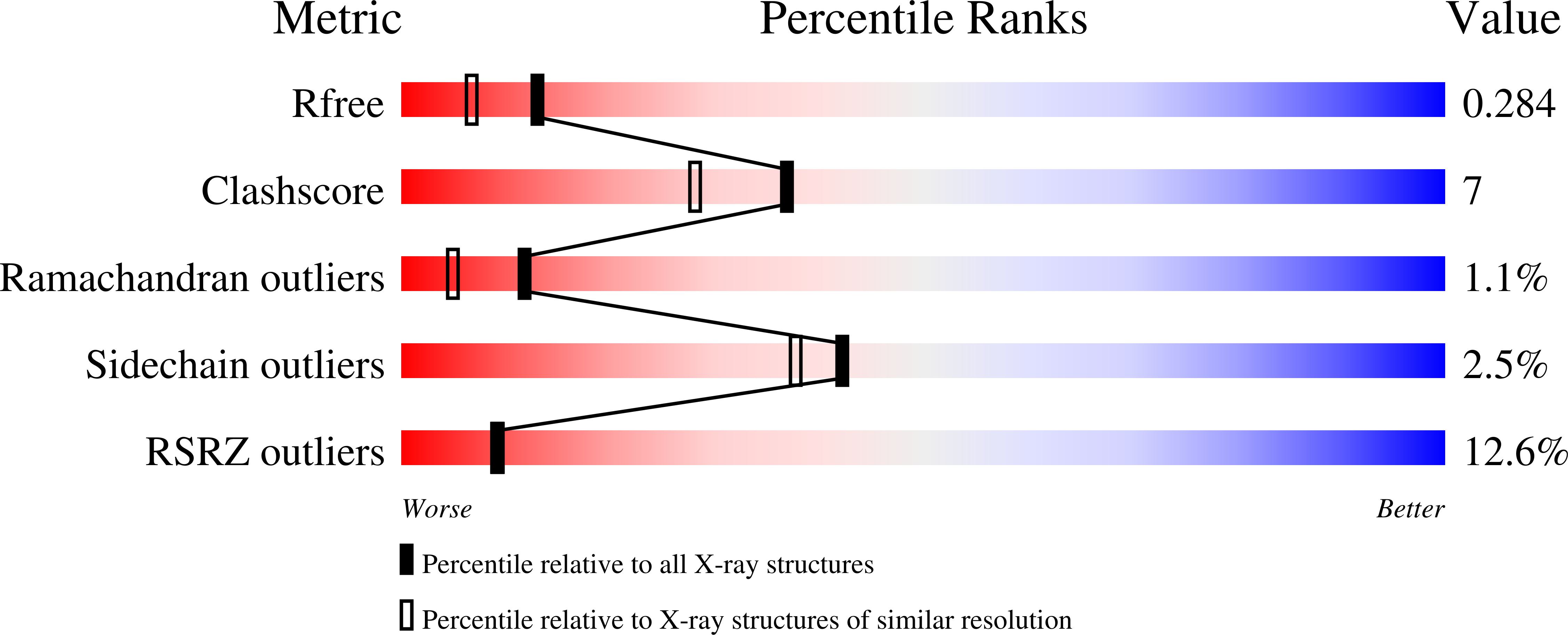
2.04 Å
R-Value Free:
0.28
R-Value Work:
0.24
R-Value Observed:
0.24
Space Group:
P 21 21 2
Macromolecular Entities
Structures with similar UniProt ID
Protein Blast
Polymer Type:polypeptide(L)
Molecule:Transcription factor p65
Gene (Uniprot):Rela
Chain IDs:A, B
Chain Length:287
Number of Molecules:2
Biological Source:Mus musculus
Polymer Type:polydeoxyribonucleotide
Molecule:DNA (5'-D(P*AP*CP*TP*GP*GP*GP*CP*TP*TP*TP*TP*CP*CP*AP*GP*TP*GP*A)-3')
Chain IDs:C
Chain Length:18
Number of Molecules:1
Biological Source:Mus musculus
Polymer Type:polydeoxyribonucleotide
Molecule:DNA (5'-D(P*TP*CP*AP*CP*TP*GP*GP*AP*AP*AP*AP*GP*CP*CP*CP*AP*GP*T)-3')
Chain IDs:D
Chain Length:18
Number of Molecules:1
Biological Source:Mus musculus
Primary Citation
Teamwork of clustered low-affinity kappa B sites and accessory factors regulates transcriptional strength of NF-kappa B RelA dimers.
Nucleic Acids Res. 53 ? ? (2025)
PMID: 41063342 DOI: 10.1093/nar/gkaf846

Abstact

Non-consensus binding sites of transcription factors (TFs) are often observed within the regulatory elements of genes; however, their effect on transcriptional strength is unclear. Within the promoters and enhancers of NF-κB-responsive genes, we identified clusters of non-consensus κB DNA sites, many exhibiting low affinity for NF-κB in vitro. Deletion of these sites demonstrated their collective critical role in transcription. We explored how these "weak" κB sites exert their influence, especially given the typically low nuclear concentrations of NF-κB. Using proteomics approaches, we identified additional nuclear factors, including other DNA-binding TFs, that could interact with κB site-bound NF-κB RelA. ChIP-seq and RNA-seq analyses suggest that these accessory TFs, referred to as the TF-cofactors of NF-κB, facilitate dynamic recruitment of NF-κB to the clustered weak κB sites. Overall, the occupancy of NF-κB at promoters and enhancers appears to be defined by a collective contribution from all κB sites, both weak and strong, in association with specific cofactors. This congregation of multiple factors within dynamic transcriptional complexes is likely a common feature of transcriptional programs.

Legend

Protein

Chemical

Disease

Primary Citation of related structures
Feedback Form
Name
Email
Institute
Feedback