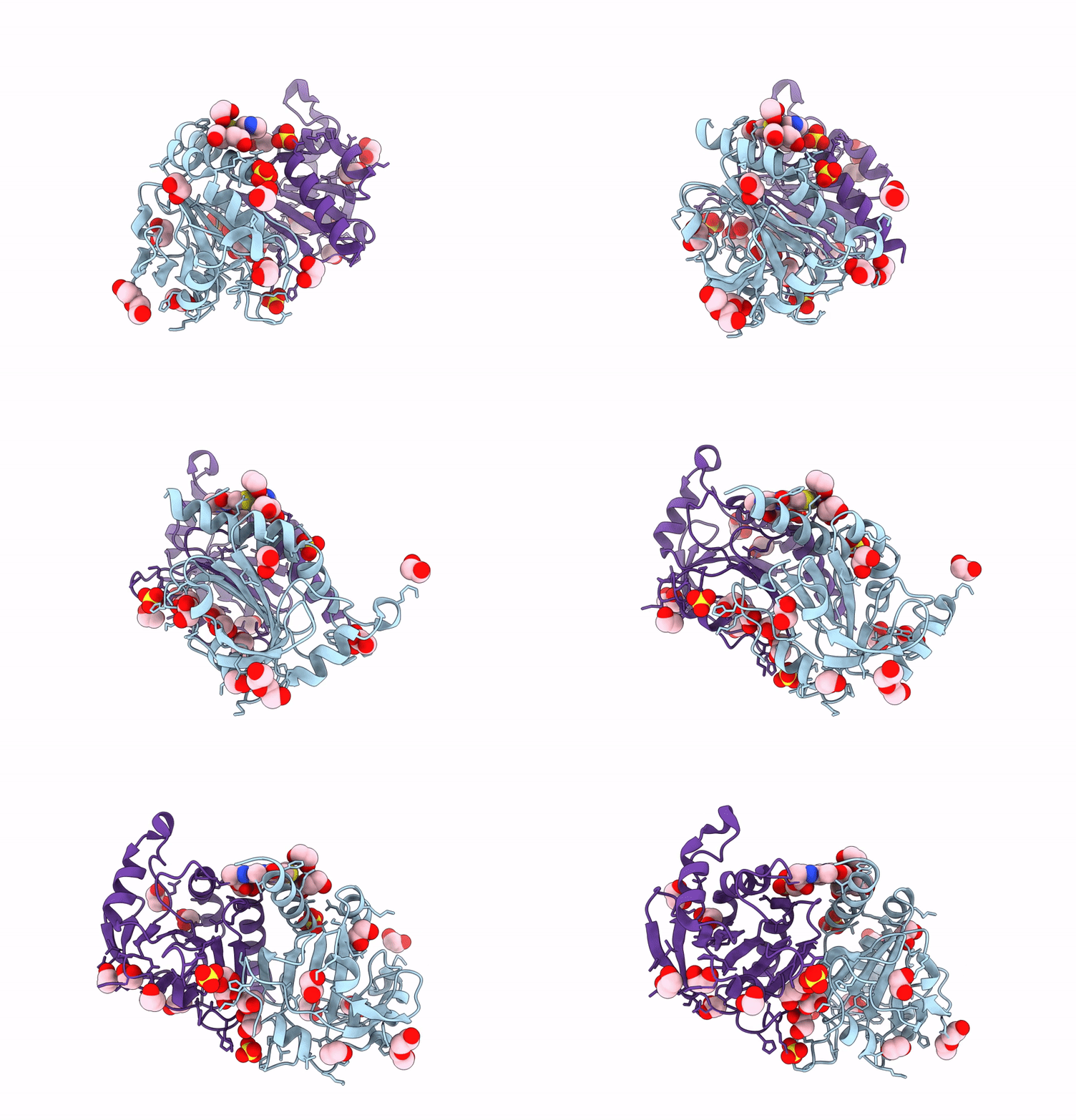
9DEX image
Deposition Date 2024-08-29
Release Date 2025-10-29
Last Version Date 2025-11-19
Entry Detail
PDB ID:
9DEX
Keywords:
Title:
Crystal structure of human peroxiredoxin 1 in complex with inhibitor WF-097
Biological Source:
Source Organism:
Homo sapiens (Taxon ID: 9606)
Host Organism:
Method Details:
Experimental Method:
Resolution:
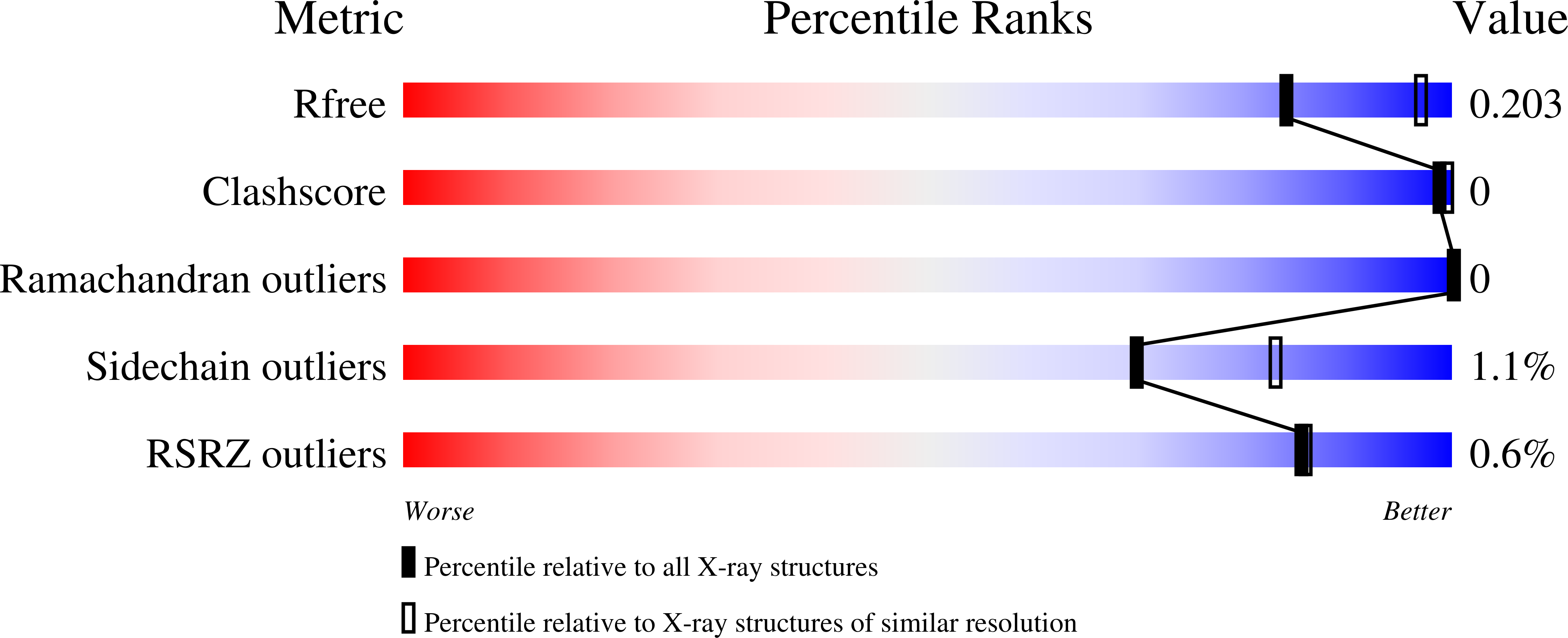
2.30 Å
R-Value Free:
0.19
R-Value Work:
0.16
R-Value Observed:
0.16
Space Group:
P 21 21 21
Macromolecular Entities
Structures with similar UniProt ID
Protein Blast
Polymer Type:polypeptide(L)
Molecule:Peroxiredoxin-1
Gene (Uniprot):PRDX1
Mutagens:C71S, C83S, C173S
Chain IDs:A, B
Chain Length:198
Number of Molecules:2
Biological Source:Homo sapiens
Primary Citation
Mechanism-based peroxiredoxin 3 inhibitors exploit a covalent warhead for cancer therapy.
Sci Adv 11 eady4492 eady4492 (2025)
PMID: 41171914 DOI: 10.1126/sciadv.ady4492

Abstact

Covalent inhibitors that are approved and marketed drugs exploit a wide array of warheads and reactions with amino acid side chain-based nucleophiles. Thiostrepton (TS) inhibits the peroxidase activity of the mitochondrial antioxidant protein peroxiredoxin 3 by forming a covalent crosslink between the two active site cysteine residues. Peroxiredoxin 3 inactivation increases reactive oxygen species levels, induces cancer cell death in preclinical models, and shows promise in an ongoing clinical trial for malignant mesothelioma using direct pleural infusion. We report the identification of the minimal fragment of TS that contains tandem dehydro-alanine (DHA) moieties and maintains anticancer activity while losing interactions with three alternative targets of intact TS. Biochemical, kinetic, cellular, and structural studies demonstrate that this fragment is a mechanism-based peroxiredoxin inhibitor. These findings represent a promising start toward a pro-oxidant approach for cancer therapy. Moreover, the data support that the DHA moiety should be added to the covalent warhead arsenal.

Legend

Protein

Chemical

Disease

Primary Citation of related structures
Feedback Form
Name
Email
Institute
Feedback