8ZNV image
Deposition Date 2024-05-28
Release Date 2025-05-28
Last Version Date 2025-12-10
Entry Detail
PDB ID:
8ZNV
Keywords:
Title:
Crystal structure of beta-glucosidase Cba3 from Cellulomonas biazotea
Biological Source:
Source Organism:
Method Details:
Experimental Method:
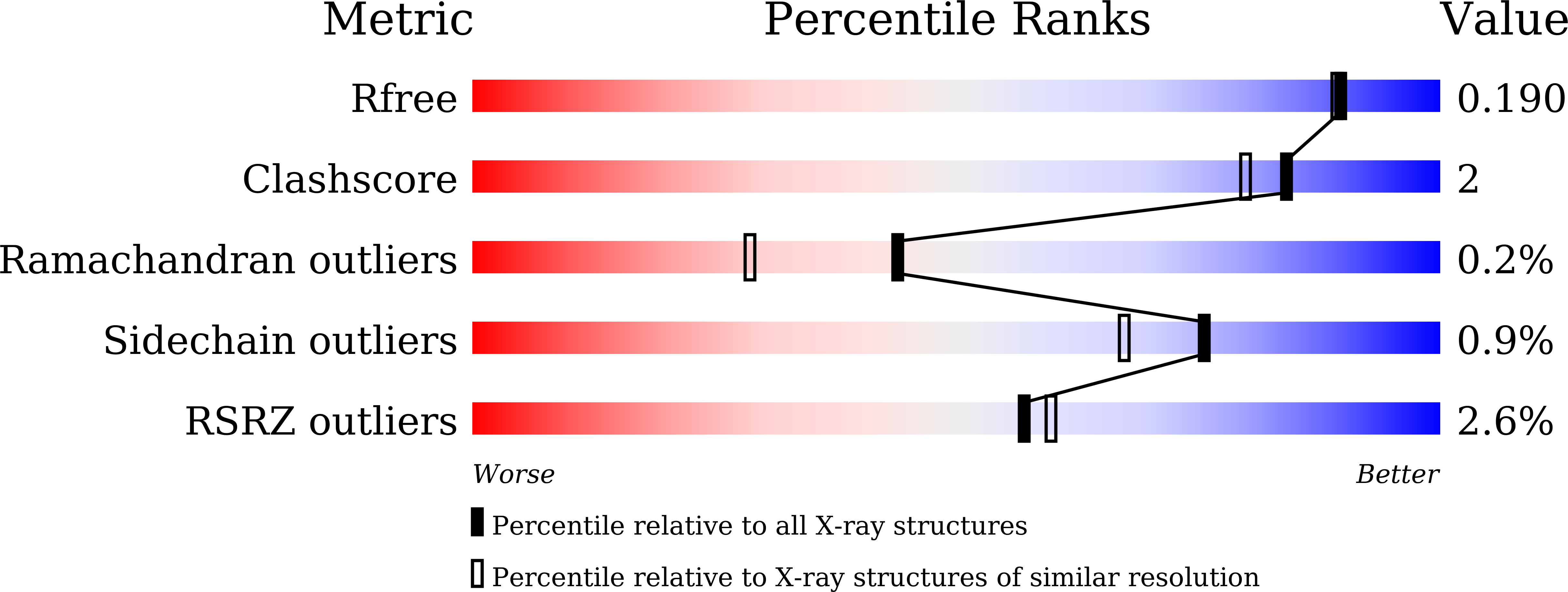
Resolution:
1.70 Å
R-Value Free:
0.17
R-Value Work:
0.14
R-Value Observed:
0.14
Space Group:
C 1 2 1
Macromolecular Entities
Structures with similar UniProt ID
Protein Blast
Polymer Type:polypeptide(L)
Molecule:Beta-glucosidase
Gene (Uniprot):cba3
Chain IDs:A
Chain Length:447
Number of Molecules:1
Biological Source:Cellulomonas biazotea
Ligand Molecules
Primary Citation
Glucose binding to the gatekeeper region induces the glucose stimulation of beta-glucosidase Cba3 from Cellulomonas biazotea.
Int.J.Biol.Macromol. 319 145590 145590 (2025)
PMID: 40592427 DOI: 10.1016/j.ijbiomac.2025.145590

Abstact

The transition from an economy reliant on fossil fuels to a sustainable bioeconomy that utilizes renewable biomass feedstock to produce chemicals, bioplastics, and biofuels is imperative. β-Glucosidase (BGL) is essential for hydrolyzing cellooligosaccharides in lignocellulosic biomass to generate glucose. During biomass degradation, glucose can inhibit or stimulate BGL activity. Accordingly, identifying and characterizing glucose-stimulated and glucose-tolerant BGL has become a major research focus in industrial BGL applications. In the current study, BGL Cba3 from Cellulomonas biazotea-a cellulose-degrading bacterium-(CbiCba3) demonstrated glucose-stimulated and glucose-tolerant properties. The hydrolase activity of CbiCba3 increased by 1.3-fold in the presence of 31.25 mM glucose and was maintained at glucose concentrations up to 500 mM. The crystal structure of glucose-bound CbiCba3 shows that the glucose molecule binds the glycone and gatekeeper regions. The occupancy of the glucose molecule in the gatekeeper region reduces the substrate-accessible entrance and induces conformational changes in the Gln295 and Val310 side chains, narrowing the substrate entrance. Mutagenesis studies revealed that glucose binding the gatekeeper region is responsible for glucose stimulation; this binding site of CbiCba3 is distinct from those previously reported for glucose-stimulated BGLs. Meanwhile, Trp323 and Asn176 in CbiCba3 form a narrow substrate-binding channel at the aglycone site associated with glucose tolerance. Although Asn176 is not conserved in other glucose-tolerant BGLs, their channel widths are similar. These results highlight the significant glucose-stimulated and glucose-tolerant properties of CbiCba3, providing valuable insights for BGL protein engineering to enhance enzyme activity for more efficient biotechnological applications.

Legend

Protein

Chemical

Disease

Primary Citation of related structures
Feedback Form
Name
Email
Institute
Feedback