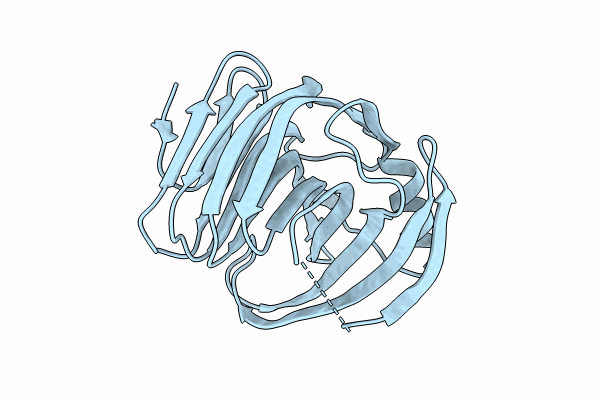
8YJI image
Deposition Date 2024-03-02
Release Date 2024-03-13
Last Version Date 2024-11-13
Entry Detail
PDB ID:
8YJI
Keywords:
Title:
Room temperature structure of xylanase from Trichoderma longibrachiatum
Biological Source:
Source Organism:
Method Details:
Experimental Method:
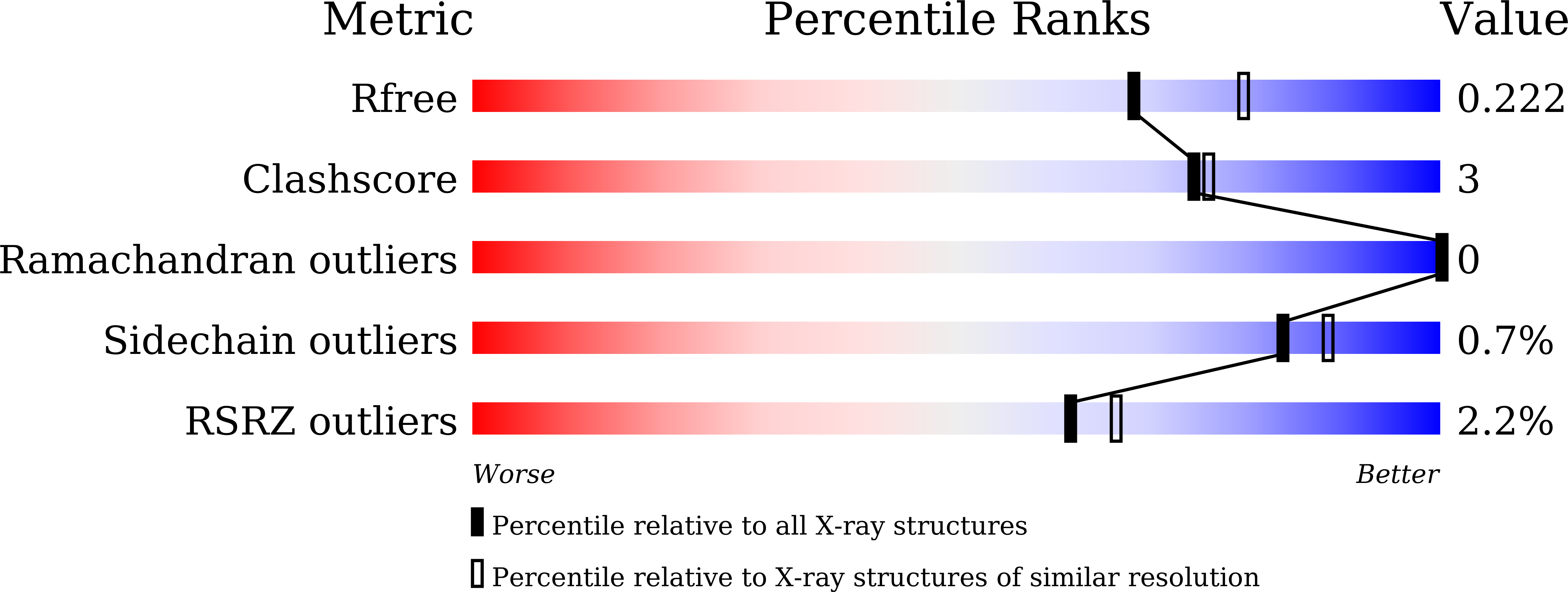
Resolution:
2.10 Å
R-Value Free:
0.22
R-Value Work:
0.19
R-Value Observed:
0.19
Space Group:
P 1 21 1
Macromolecular Entities
Structures with similar UniProt ID
Protein Blast
Polymer Type:polypeptide(L)
Molecule:Endo-1,4-beta-xylanase
Gene (Uniprot):M440DRAFT_1403397
Chain IDs:A
Chain Length:190
Number of Molecules:1
Biological Source:Trichoderma longibrachiatum
Modified Residue
Compound ID Chain ID Parent Comp ID Details 2D Image
PCA A GLN modified residue
Primary Citation
Temperature-dependent structural changes in xylanase II from Trichoderma longibrachiatum.
Carbohydr.Res. 541 109173 109173 (2024)
PMID: 38833820 DOI: 10.1016/j.carres.2024.109173

Abstact

Endo-β-1,4-xylanases degrade heteroxylans that constitute the lignocellulosic plant cell wall. This enzyme is widely used in the food, paper, textile, and biorefinery industries. Temperature affects the optimum activity of xylanase and is an important factor in its application. Various structural analyses of xylanase have been performed, but its structural influence by temperature is not fully elucidated. To better understand the structural influence of xylanase due to temperature, the crystal structure of xylanase II from Trichoderma longibrachiatum (TloXynII) at room and cryogenic temperatures was determined at 2.1 and 1.9 Å resolution, respectively. The room-temperature structure of TloXynII (TloXynIIRT) showed a B-factor value 2.09 times higher than that of the cryogenic-temperature structure of TloXynII (TloXynIICryo). Subtle movement of the catalytic and substrate binding residues was observed between TloXynIIRT and TloXynIICryo. In TloXynIIRT, the thumb domain exhibited high flexibility, whereas in TloXynIICryo, the finger domain exhibited high flexibility. The substrate binding cleft of TloXynIIRT was narrower than that of TloXynIICryo, indicating a distinct finger domain conformation. Numerous water molecule networks were observed in the substrate binding cleft of TloXynIICryo, whereas only a few water molecules were observed in TloXynIIRT. These structural analyses expand our understanding of the temperature-dependent conformational changes in xylanase.

Legend

Protein

Chemical

Disease

Primary Citation of related structures
Feedback Form
Name
Email
Institute
Feedback