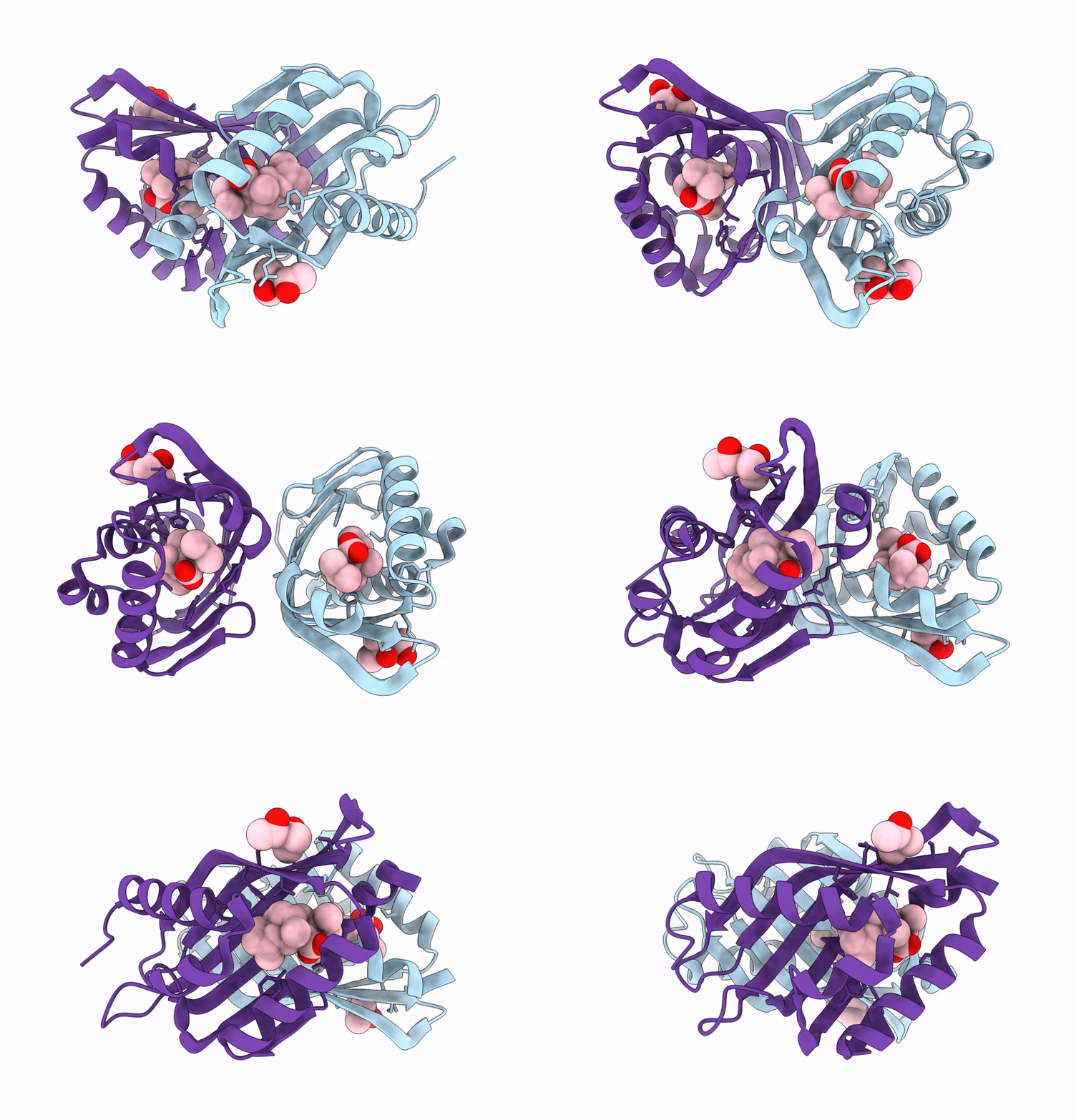
8YHM image
Deposition Date 2024-02-28
Release Date 2025-10-22
Last Version Date 2025-10-22
Entry Detail
PDB ID:
8YHM
Title:
The structure of SdnG covalently binding with the cope rearrangement product
Biological Source:
Source Organism(s):
Expression System(s):
Method Details:
Experimental Method:
Resolution:
1.72 Å
R-Value Free:
0.21
R-Value Work:
0.19
R-Value Observed:
0.19
Space Group:
P 21 21 21
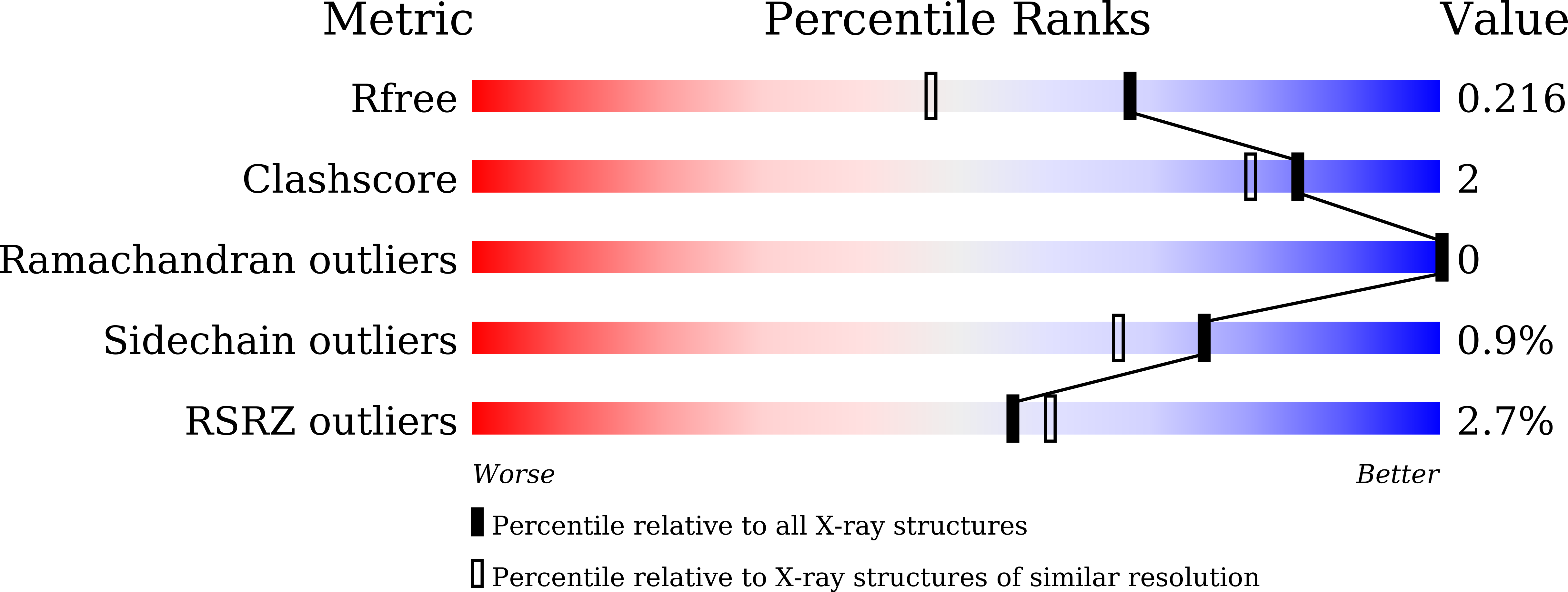
Macromolecular Entities
Structures with similar UniProt ID
Protein Blast
Polymer Type:polypeptide(L)
Molecule:Sordarin/hypoxysordarin biosynthesis cluster protein G
Gene (Uniprot):sdnG
Chain IDs:A, B
Chain Length:146
Number of Molecules:2
Biological Source:Sordaria araneosa
Primary Citation
Iminium Catalysis in Natural Diels-Alderase.
Nat Catal 8 218 228 (2025)
PMID: 40881614 DOI: 10.1038/s41929-025-01294-w

Abstact

Iminium-catalyzed cycloaddition is one of the most prominent examples of organocatalysis, yet a biological counterpart has not been reported despite the wide-spread occurrence of iminium adducts in enzymes. Here, we present biochemical, structural, and computational evidence for iminium catalysis by the natural Diels-Alderase SdnG that catalyzes norbornene formation in sordarin biosynthesis. A Schiff base adduct between the ε-nitrogen of active site K127 and the aldehyde group of the enal dienophile was revealed by structural analysis and captured under catalytic conditions via borohydride reduction. This Schiff base adduct positions the substrate into near-attack conformation and decreases the transition state barrier of Diels-Alder cyclization by 8.3 kcal/mol via dienophile activation. A hydrogen bond network consisting of a catalytic triad is proposed to facilitate proton transfer required for iminium formation. This work establishes a new mode of catalysis for Diels-Alderases and points the way to the design of novel iminium based (bio)catalysts.

Legend

Protein

Chemical

Disease

Primary Citation of related structures
Feedback Form
Name
Email
Institute
Feedback