8Q34 image
Deposition Date 2023-08-03
Release Date 2024-02-07
Last Version Date 2024-08-14
Entry Detail
PDB ID:
8Q34
Keywords:
Title:
Crystal structure of the first bromodomain of human BRD4 in complex with the ligand ZZ001229a
Biological Source:
Source Organism:
Homo sapiens (Taxon ID: 9606)
Method Details:
Experimental Method:
Resolution:
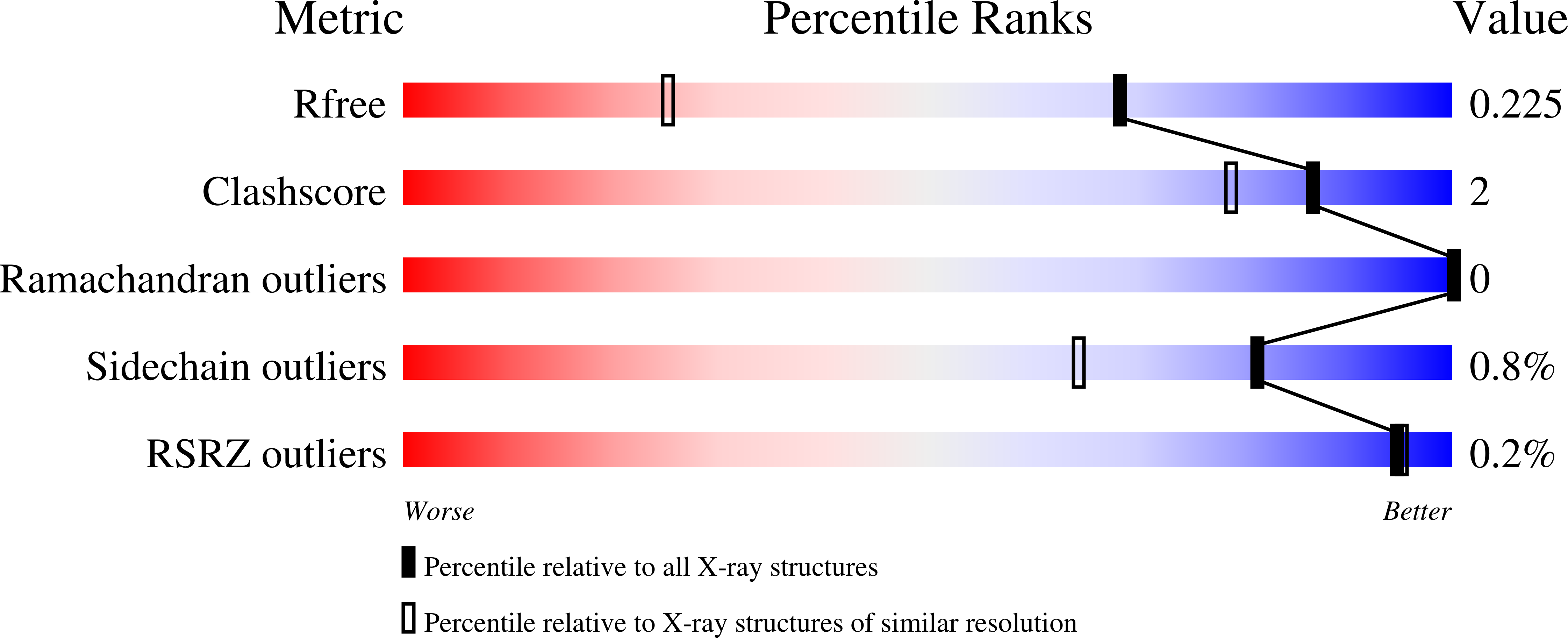
1.48 Å
R-Value Free:
0.21
R-Value Work:
0.18
Space Group:
P 1
Macromolecular Entities
Structures with similar UniProt ID
Protein Blast
Polymer Type:polypeptide(L)
Molecule:Bromodomain-containing protein 4
Gene (Uniprot):BRD4
Chain IDs:A, B, C, D
Chain Length:130
Number of Molecules:4
Biological Source:Homo sapiens
Primary Citation

Abstact

Fragment screening is a popular strategy of generating viable chemical starting points especially for challenging targets. Although fragments provide a better coverage of chemical space and they have typically higher chance of binding, their weak affinity necessitates highly sensitive biophysical assays. Here, we introduce a screening concept that combines evolutionary optimized fragment pharmacophores with the use of a photoaffinity handle that enables high hit rates by LC-MS-based detection. The sensitivity of our screening protocol was further improved by a target-conjugated photocatalyst. We have designed, synthesized, and screened 100 diazirine-tagged fragments against three benchmark and three therapeutically relevant protein targets of different tractability. Our therapeutic targets included a conventional enzyme, the first bromodomain of BRD4, a protein-protein interaction represented by the oncogenic KRasG12D protein, and the yet unliganded N-terminal domain of the STAT5B transcription factor. We have discovered several fragment hits against all three targets and identified their binding sites via enzymatic digestion, structural studies and modeling. Our results revealed that this protocol outperforms screening traditional fully functionalized and photoaffinity fragments in better exploration of the available binding sites and higher hit rates observed for even difficult targets.

Legend

Protein

Chemical

Disease

Primary Citation of related structures
Feedback Form
Name
Email
Institute
Feedback