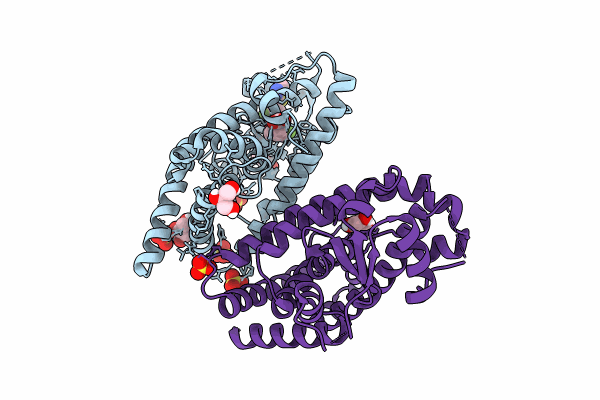
8PBO image
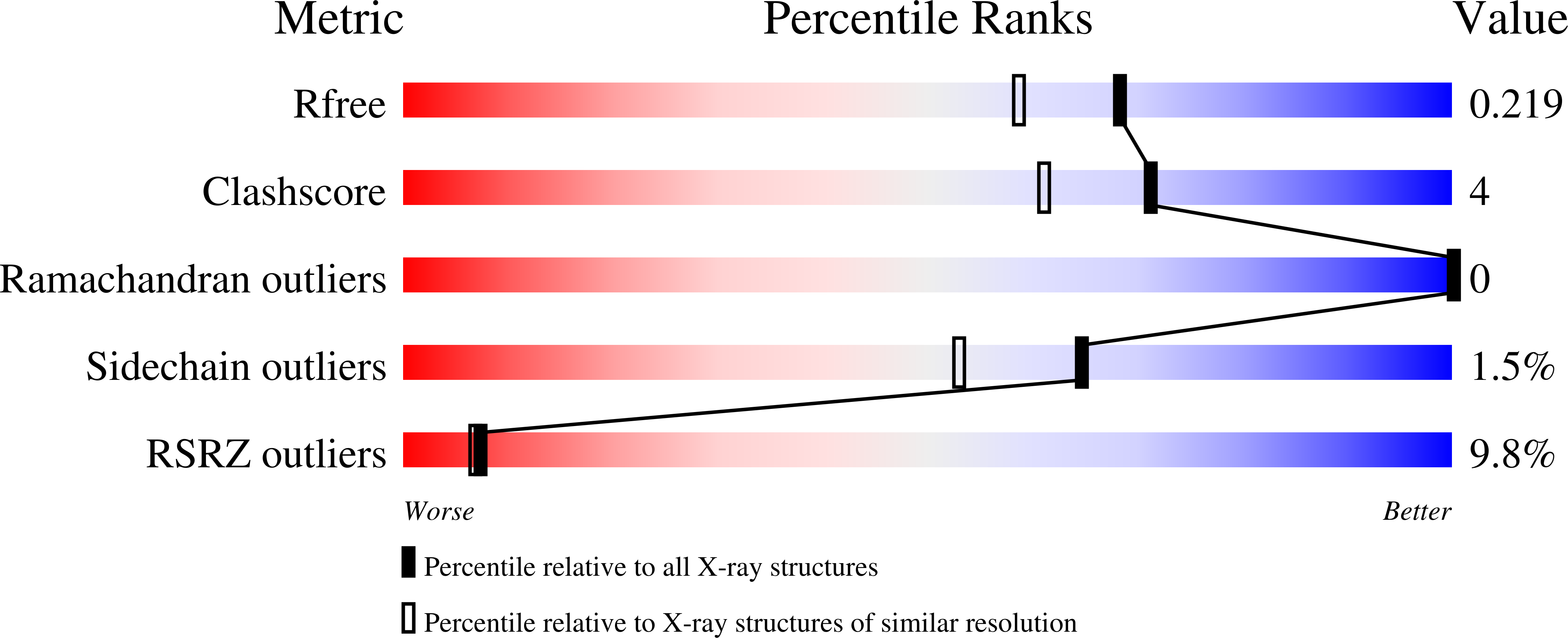
Deposition Date 2023-06-09
Release Date 2024-05-15
Last Version Date 2024-05-15
Entry Detail
PDB ID:
8PBO
Keywords:
Title:
Deep interactome learning for generative drug design
Biological Source:
Source Organism:
Homo sapiens (Taxon ID: 9606)
Host Organism:
Method Details:
Experimental Method:
Resolution:
1.85 Å
R-Value Free:
0.21
R-Value Work:
0.17
Space Group:
C 1 2 1
Macromolecular Entities
Structures with similar UniProt ID
Protein Blast
Polymer Type:polypeptide(L)
Molecule:Peroxisome proliferator-activated receptor gamma
Gene (Uniprot):PPARG
Chain IDs:A, B
Chain Length:275
Number of Molecules:2
Biological Source:Homo sapiens
Primary Citation
Prospective de novo drug design with deep interactome learning.
Nat Commun 15 3408 3408 (2024)
PMID: 38649351 DOI: 10.1038/s41467-024-47613-w

Abstact

De novo drug design aims to generate molecules from scratch that possess specific chemical and pharmacological properties. We present a computational approach utilizing interactome-based deep learning for ligand- and structure-based generation of drug-like molecules. This method capitalizes on the unique strengths of both graph neural networks and chemical language models, offering an alternative to the need for application-specific reinforcement, transfer, or few-shot learning. It enables the "zero-shot" construction of compound libraries tailored to possess specific bioactivity, synthesizability, and structural novelty. In order to proactively evaluate the deep interactome learning framework for protein structure-based drug design, potential new ligands targeting the binding site of the human peroxisome proliferator-activated receptor (PPAR) subtype gamma are generated. The top-ranking designs are chemically synthesized and computationally, biophysically, and biochemically characterized. Potent PPAR partial agonists are identified, demonstrating favorable activity and the desired selectivity profiles for both nuclear receptors and off-target interactions. Crystal structure determination of the ligand-receptor complex confirms the anticipated binding mode. This successful outcome positively advocates interactome-based de novo design for application in bioorganic and medicinal chemistry, enabling the creation of innovative bioactive molecules.

Legend

Protein

Chemical

Disease

Primary Citation of related structures
Feedback Form
Name
Email
Institute
Feedback