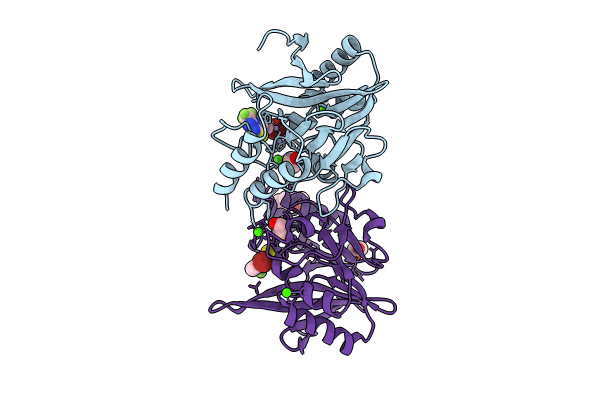
8B1W image
Deposition Date 2022-09-12
Release Date 2023-12-27
Last Version Date 2024-03-20
Entry Detail
PDB ID:
8B1W
Keywords:
Title:
NDM-1 metallo-beta-lactamase in complex with triazole-based inhibitor CP35
Biological Source:
Source Organism:
Method Details:
Experimental Method:
Resolution:
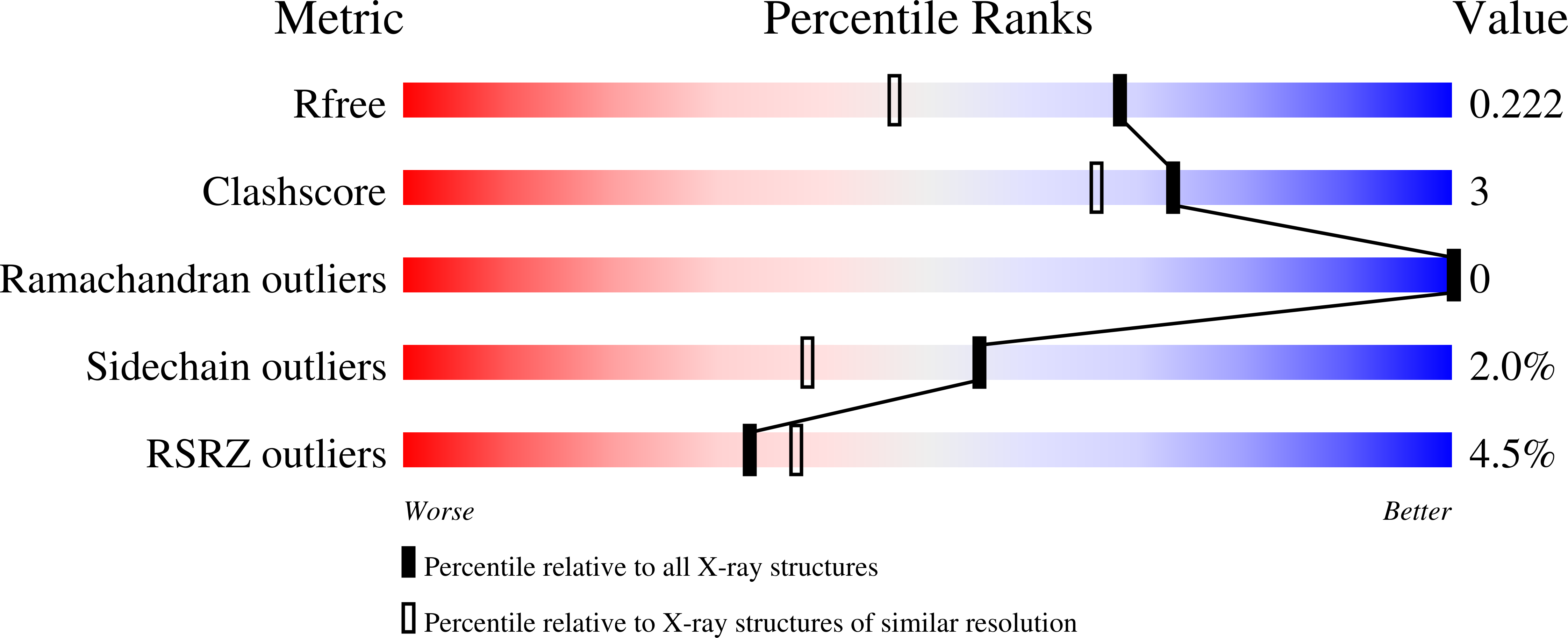
1.70 Å
R-Value Free:
0.22
R-Value Work:
0.19
R-Value Observed:
0.19
Space Group:
P 21 21 21
Macromolecular Entities
Structures with similar UniProt ID
Protein Blast
Polymer Type:polypeptide(L)
Molecule:Beta-lactamase NDM-1
Gene (Uniprot):blaNDM-1
Chain IDs:A, B
Chain Length:242
Number of Molecules:2
Biological Source:Pseudomonas aeruginosa
Primary Citation
Structure-Based Optimization of 1,2,4-Triazole-3-Thione Derivatives: Improving Inhibition of NDM-/VIM-Type Metallo-beta-Lactamases and Synergistic Activity on Resistant Bacteria.
Pharmaceuticals 16 ? ? (2023)
PMID: 38139809 DOI: 10.3390/ph16121682

Abstact

The worldwide emergence and dissemination of Gram-negative bacteria expressing metallo-β-lactamases (MBLs) menace the efficacy of all β-lactam antibiotics, including carbapenems, a last-line treatment usually restricted to severe pneumonia and urinary tract infections. Nonetheless, no MBL inhibitor is yet available in therapy. We previously identified a series of 1,2,4-triazole-3-thione derivatives acting as micromolar inhibitors of MBLs in vitro, but devoid of synergistic activity in microbiological assays. Here, via a multidisciplinary approach, including molecular modelling, synthesis, enzymology, microbiology, and X-ray crystallography, we optimized this series of compounds and identified low micromolar inhibitors active against clinically relevant MBLs (NDM-1- and VIM-type). The best inhibitors increased, to a certain extent, the susceptibility of NDM-1- and VIM-4-producing clinical isolates to meropenem. X-ray structures of three selected inhibitors in complex with NDM-1 elucidated molecular recognition at the base of potency improvement, confirmed in silico predicted orientation, and will guide further development steps.

Legend

Protein

Chemical

Disease

Primary Citation of related structures
Feedback Form
Name
Email
Institute
Feedback