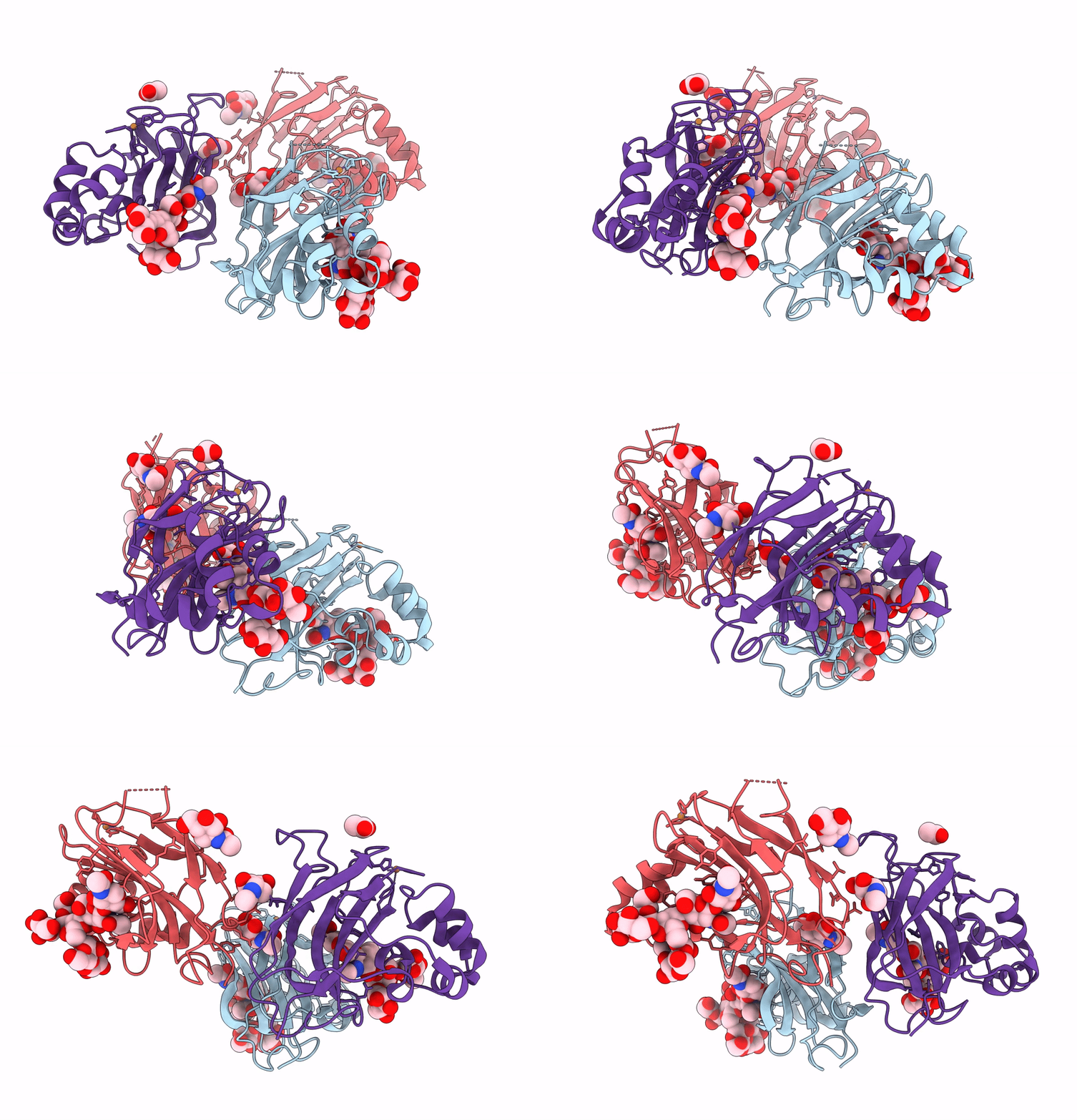
7ZE9 image
Deposition Date 2022-03-30
Release Date 2023-03-15
Last Version Date 2024-05-01
Entry Detail
PDB ID:
7ZE9
Title:
Structure of an AA16 LPMO-like protein
Biological Source:
Source Organism:
Method Details:
Experimental Method:
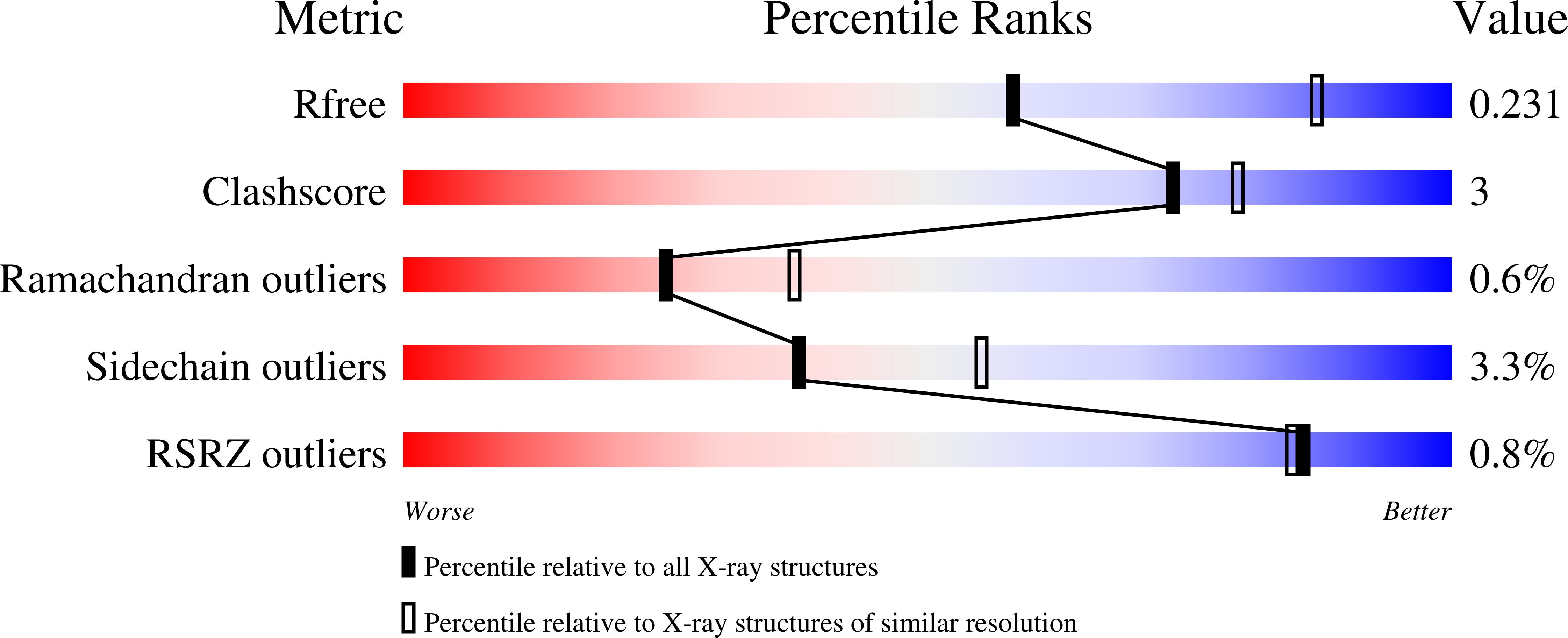
Resolution:
2.65 Å
R-Value Free:
0.23
R-Value Work:
0.17
Space Group:
C 1 2 1
Macromolecular Entities
Structures with similar UniProt ID
Protein Blast
Polymer Type:polypeptide(L)
Molecule:Chitin-binding type-4 domain-containing protein
Gene (Uniprot):MYCTH_2306267
Chain IDs:A (auth: AAA), B (auth: BBB), C (auth: CCC)
Chain Length:188
Number of Molecules:3
Biological Source:Thermothelomyces thermophilus
Modified Residue
Compound ID Chain ID Parent Comp ID Details 2D Image
HIC A HIS modified residue
Primary Citation
AA16 Oxidoreductases Boost Cellulose-Active AA9 Lytic Polysaccharide Monooxygenases from Myceliophthora thermophila.
Acs Catalysis 13 4454 4467 (2023)
PMID: 37066045 DOI: 10.1021/acscatal.3c00874

Abstact

Copper-dependent lytic polysaccharide monooxygenases (LPMOs) classified in Auxiliary Activity (AA) families are considered indispensable as synergistic partners for cellulolytic enzymes to saccharify recalcitrant lignocellulosic plant biomass. In this study, we characterized two fungal oxidoreductases from the new AA16 family. We found that MtAA16A from Myceliophthora thermophila and AnAA16A from Aspergillus nidulans did not catalyze the oxidative cleavage of oligo- and polysaccharides. Indeed, the MtAA16A crystal structure showed a fairly LPMO-typical histidine brace active site, but the cellulose-acting LPMO-typical flat aromatic surface parallel to the histidine brace region was lacking. Further, we showed that both AA16 proteins are able to oxidize low-molecular-weight reductants to produce H2O2. The oxidase activity of the AA16s substantially boosted cellulose degradation by four AA9 LPMOs from M. thermophila (MtLPMO9s) but not by three AA9 LPMOs from Neurospora crassa (NcLPMO9s). The interplay with MtLPMO9s is explained by the H2O2-producing capability of the AA16s, which, in the presence of cellulose, allows the MtLPMO9s to optimally drive their peroxygenase activity. Replacement of MtAA16A by glucose oxidase (AnGOX) with the same H2O2-producing activity could only achieve less than 50% of the boosting effect achieved by MtAA16A, and earlier MtLPMO9B inactivation (6 h) was observed. To explain these results, we hypothesized that the delivery of AA16-produced H2O2 to the MtLPMO9s is facilitated by protein-protein interaction. Our findings provide new insights into the functions of copper-dependent enzymes and contribute to a further understanding of the interplay of oxidative enzymes within fungal systems to degrade lignocellulose.

Legend

Protein

Chemical

Disease

Primary Citation of related structures
Feedback Form
Name
Email
Institute
Feedback