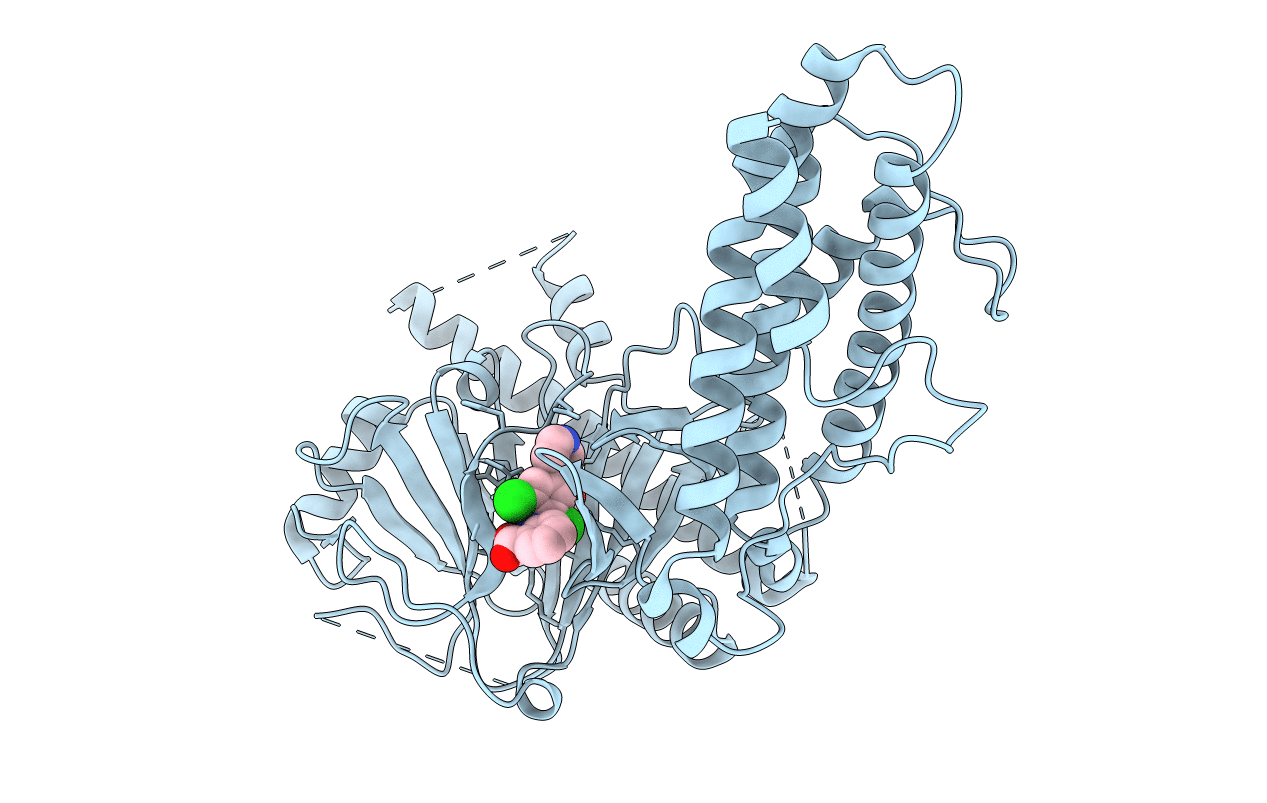
7WCV image
Deposition Date 2021-12-20
Release Date 2022-07-06
Last Version Date 2023-11-29
Entry Detail
PDB ID:
7WCV
Keywords:
Title:
Co-crystal structure of FTO bound to 6e
Biological Source:
Source Organism:
Homo sapiens (Taxon ID: 9606)
Host Organism:
Method Details:
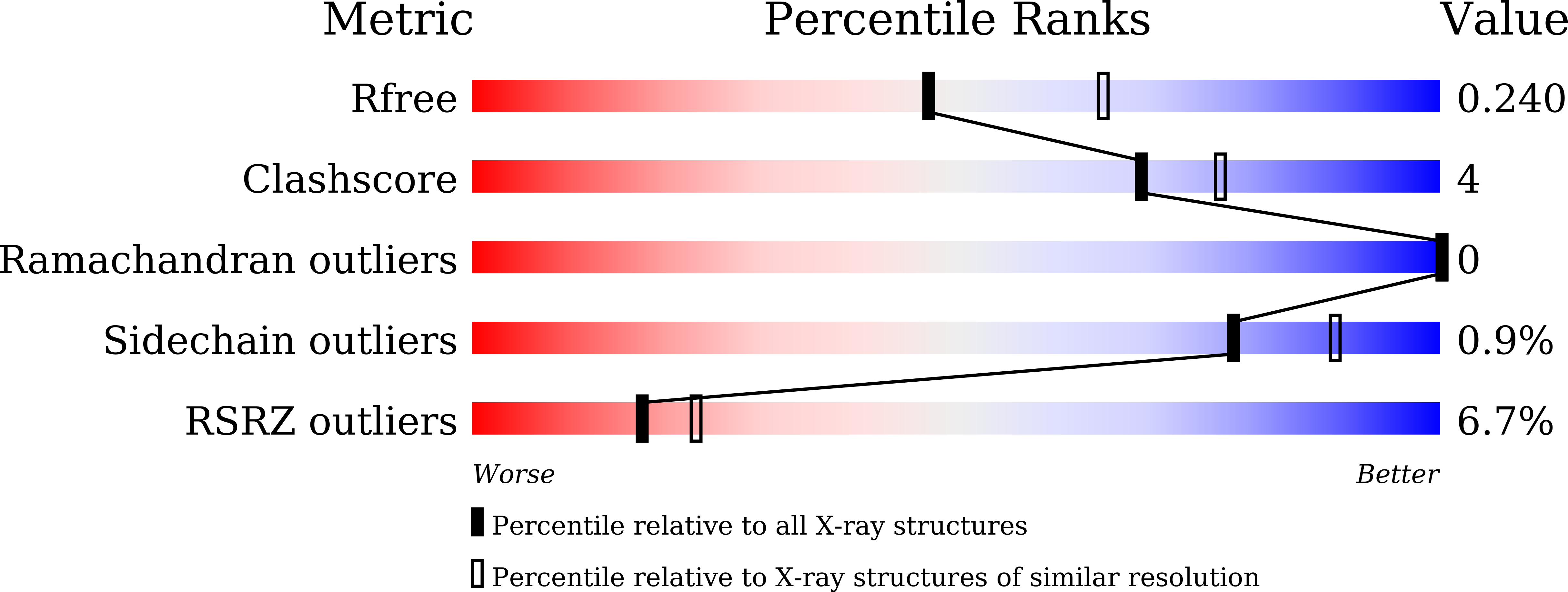
Experimental Method:
Resolution:
2.30 Å
R-Value Free:
0.24
R-Value Work:
0.20
R-Value Observed:
0.20
Space Group:
H 3
Macromolecular Entities
Structures with similar UniProt ID
Protein Blast
Polymer Type:polypeptide(L)
Molecule:Alpha-ketoglutarate-dependent dioxygenase FTO
Gene (Uniprot):FTO
Chain IDs:A
Chain Length:491
Number of Molecules:1
Biological Source:Homo sapiens
Primary Citation
Structure-Activity Relationships and Antileukemia Effects of the Tricyclic Benzoic Acid FTO Inhibitors.
J.Med.Chem. 65 10638 10654 (2022)
PMID: 35793358 DOI: 10.1021/acs.jmedchem.2c00848

Abstact

The N6-methyladenosine (m6A) demethylase FTO is overexpressed in acute myeloid leukemia (AML) cells and promotes leukemogenesis. We previously developed tricyclic benzoic acid FB23 as a highly potent FTO inhibitor in vitro. However, it showed a moderate antiproliferative effect on AML cells. In this work, we performed a structure-activity relationship study of tricyclic benzoic acids as FTO inhibitors. The analog 13a exhibited excellent inhibitory effects on FTO similar to that of FB23 in vitro. In contrast to FB23, 13a exerted a strong antiproliferative effect on AML cells. Like FTO knock down, 13a upregulated ASB2 and RARA expression and increased the protein abundance while it downregulated MYC expression and decreased MYC protein abundance. These genes are key FTO targets in AML cells. Finally, 13a treatment improved the survival rate of MONOMAC6-transplanted NSG mice. Collectively, our data suggest that targeting FTO with tricyclic benzoic acid inhibitors may be a potential strategy for treating AML.

Legend

Protein

Chemical

Disease

Primary Citation of related structures
Feedback Form
Name
Email
Institute
Feedback