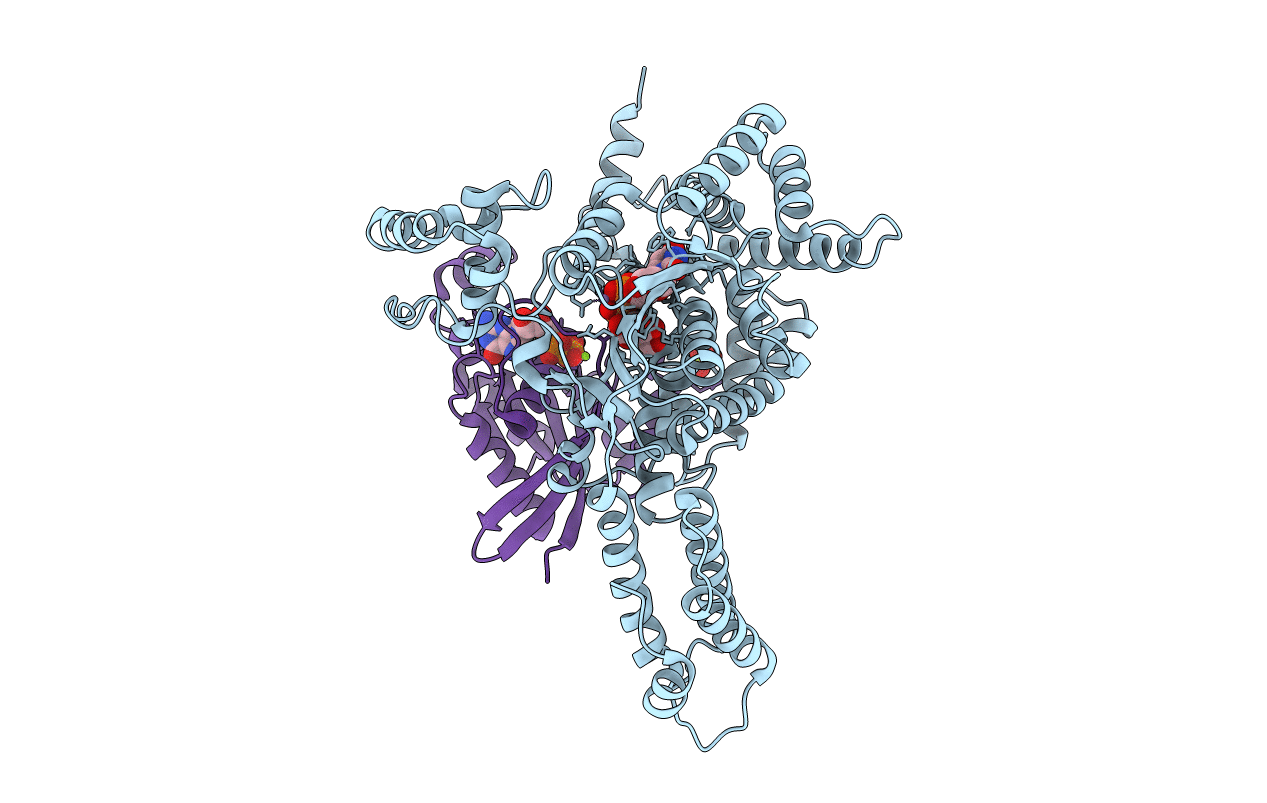
7U2P image
Deposition Date 2022-02-24
Release Date 2022-05-04
Last Version Date 2023-10-18
Entry Detail
PDB ID:
7U2P
Keywords:
Title:
Structure of TcdA GTD in complex with RhoA
Biological Source:
Source Organism:
Host Organism:
Method Details:
Experimental Method:
Resolution:
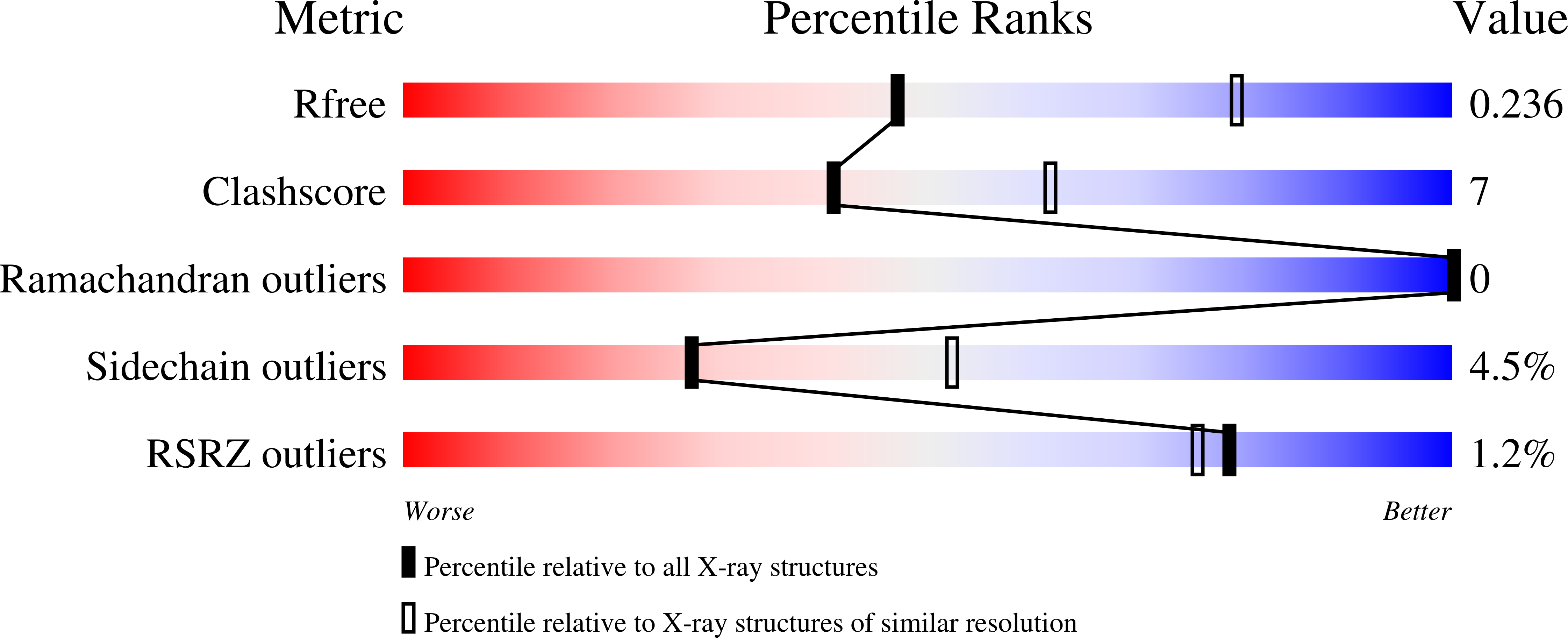
2.60 Å
R-Value Free:
0.23
R-Value Work:
0.21
Space Group:
C 2 2 21
Macromolecular Entities
Structures with similar UniProt ID
Protein Blast
Polymer Type:polypeptide(L)
Molecule:Glucosyltransferase TcdA
Gene (Uniprot):tcdA
Mutagens:K190A
Chain IDs:A
Chain Length:543
Number of Molecules:1
Biological Source:Clostridioides difficile
Structures with similar UniProt ID
Protein Blast
Polymer Type:polypeptide(L)
Molecule:Transforming protein RhoA
Mutagens:T37N
Chain IDs:B
Chain Length:186
Number of Molecules:1
Biological Source:Homo sapiens
Primary Citation
Structure of the glucosyltransferase domain of TcdA in complex with RhoA provides insights into substrate recognition.
Sci Rep 12 9028 9028 (2022)
PMID: 35637242 DOI: 10.1038/s41598-022-12909-8

Abstact

Clostridioides difficile is one of the most common causes of antibiotic-associated diarrhea in developed countries. As key virulence factors of C. difficile, toxin A (TcdA) and toxin B (TcdB) act by glucosylating and inactivating Rho and Ras family small GTPases in host cells, which leads to actin cytoskeleton disruption, cell rounding, and ultimately cell death. Here we present the co-crystal structure of the glucosyltransferase domain (GTD) of TcdA in complex with its substrate human RhoA at 2.60-angstrom resolution. This structure reveals that TcdA GTD grips RhoA mainly through its switch I and switch II regions, which is complemented by interactions involving RhoA's pre-switch I region. Comprehensive structural comparisons between the TcdA GTD-RhoA complex and the structures of TcdB GTD in complex with Cdc42 and R-Ras reveal both the conserved and divergent features of these two toxins in terms of substrate recognition. Taken together, these findings establish the structural basis for TcdA recognition of small GTPases and advance our understanding of the substrates selectivity of large clostridial toxins.

Legend

Protein

Chemical

Disease

Primary Citation of related structures
Feedback Form
Name
Email
Institute
Feedback