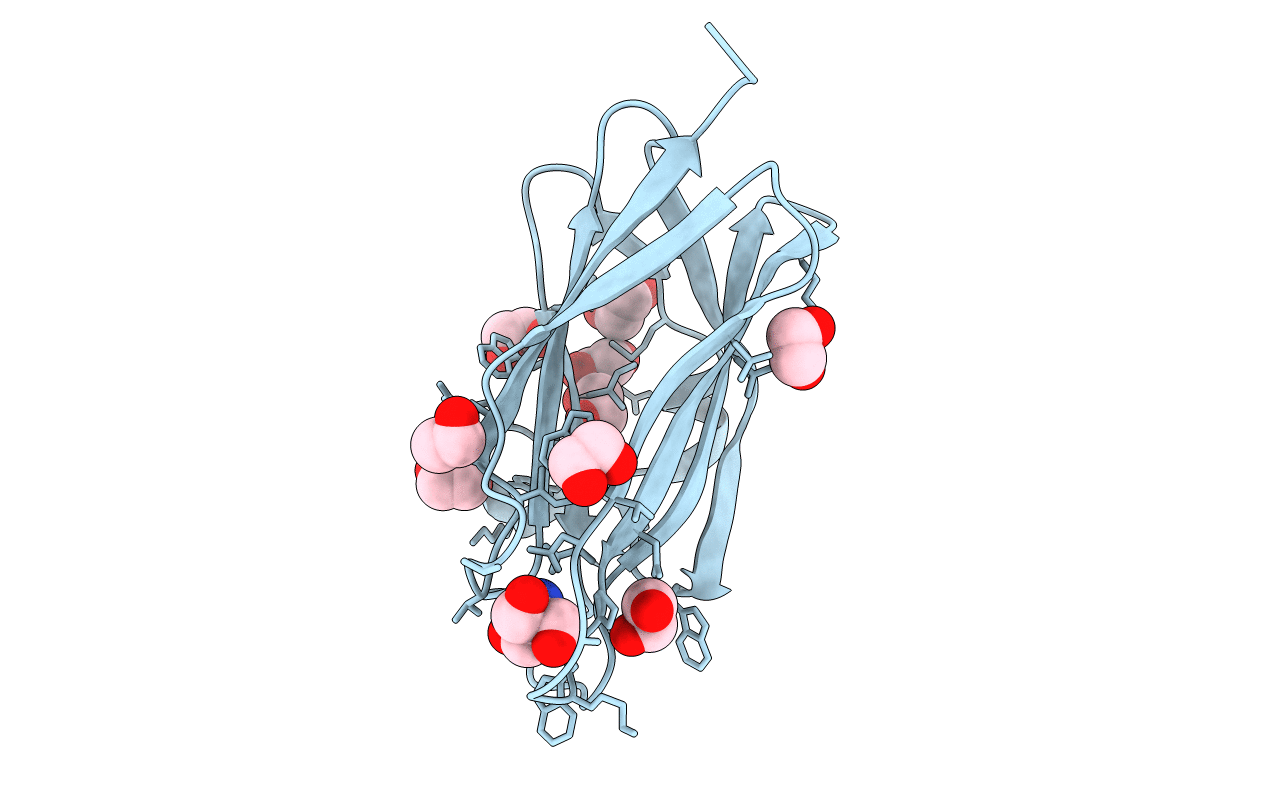
6ZC2 image
Deposition Date 2020-06-09
Release Date 2021-04-07
Last Version Date 2024-01-24
Entry Detail
PDB ID:
6ZC2
Keywords:
Title:
Crystal structure of RahU protein in complex with TRIS molecule
Biological Source:
Source Organism:
Method Details:
Experimental Method:
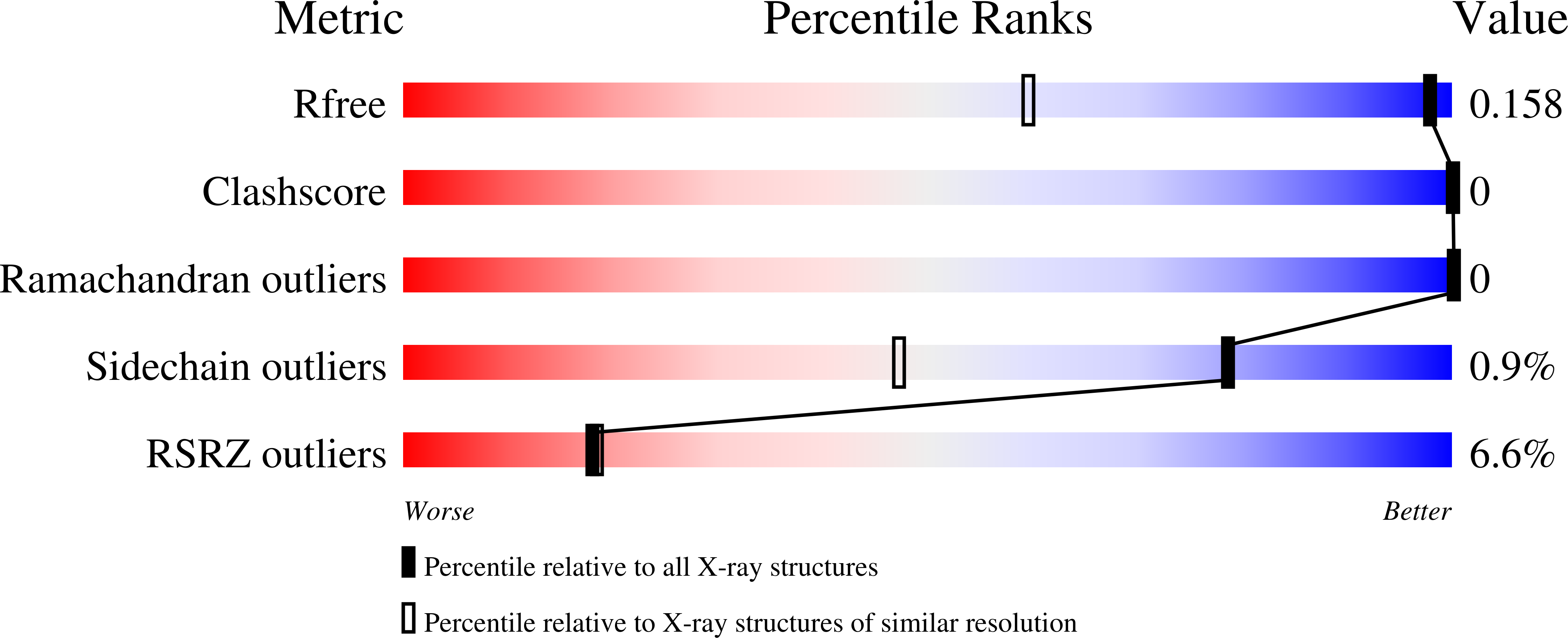
Resolution:
1.13 Å
R-Value Free:
0.15
R-Value Work:
0.13
R-Value Observed:
0.13
Space Group:
C 1 2 1
Macromolecular Entities
Structures with similar UniProt ID
Protein Blast
Polymer Type:polypeptide(L)
Molecule:RahU protein
Gene (Uniprot):PA0122
Chain IDs:A
Chain Length:141
Number of Molecules:1
Biological Source:Pseudomonas aeruginosa PAO1
Primary Citation
Crystal structure of RahU, an aegerolysin protein from the human pathogen Pseudomonas aeruginosa, and its interaction with membrane ceramide phosphorylethanolamine.
Sci Rep 11 6572 6572 (2021)
PMID: 33753805 DOI: 10.1038/s41598-021-85956-2

Abstact

Aegerolysins are proteins produced by bacteria, fungi, plants and protozoa. The most studied fungal aegerolysins share a common property of interacting with membranes enriched with cholesterol in combination with either sphingomyelin or ceramide phosphorylethanolamine (CPE), major sphingolipids in the cell membranes of vertebrates and invertebrates, respectively. However, genome analyses show a particularly high frequency of aegerolysin genes in bacteria, including the pathogenic genera Pseudomonas and Vibrio; these are human pathogens of high clinical relevance and can thrive in a variety of other species. The knowledge on bacterial aegerolysin-lipid interactions is scarce. We show that Pseudomonas aeruginosa aegerolysin RahU interacts with CPE, but not with sphingomyelin-enriched artificial membranes, and that RahU interacts with the insect cell line producing CPE. We report crystal structures of RahU alone and in complex with tris(hydroxymethyl)aminomethane (Tris), which, like the phosphorylethanolamine head group of CPE, contains a primary amine. The RahU structures reveal that the two loops proximal to the amino terminus form a cavity that accommodates Tris, and that the flexibility of these two loops is important for this interaction. We show that Tris interferes with CPE-enriched membranes for binding to RahU, implying on the importance of the ligand cavity between the loops and its proximity in RahU membrane interaction. We further support this by studying the interaction of single amino acid substitution mutants of RahU with the CPE-enriched membranes. Our results thus represent a starting point for a better understanding of the role of P. aeruginosa RahU, and possibly other bacterial aegerolysins, in bacterial interactions with other organisms.

Legend

Protein

Chemical

Disease

Primary Citation of related structures
Feedback Form
Name
Email
Institute
Feedback