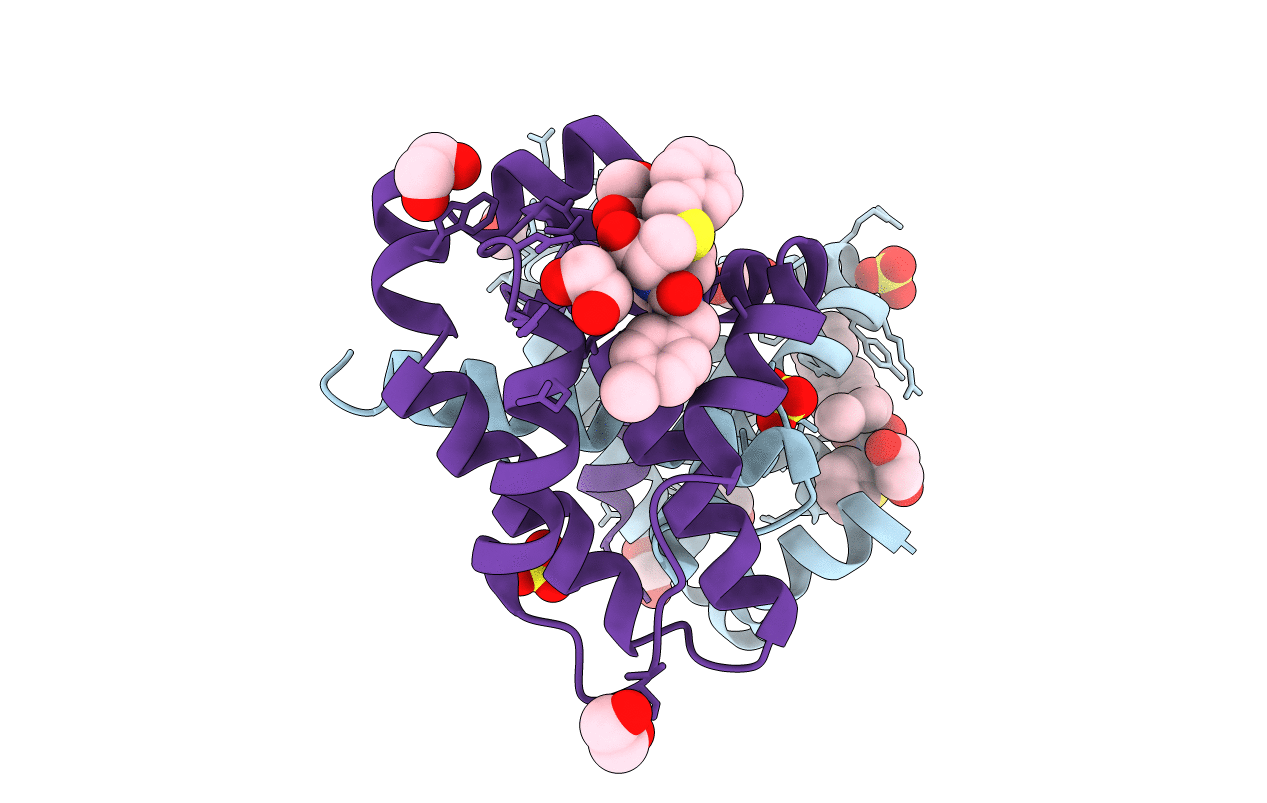
6UVD image
Deposition Date 2019-11-02
Release Date 2021-05-05
Last Version Date 2023-10-11
Entry Detail
PDB ID:
6UVD
Title:
Crystal structure of BCL-XL bound to compound 2: (2R)-3-(Benzylsulfanyl)-2-({[(4-methylphenyl)methyl] [(4 phenylphenyl)carbonyl] carbamoyl}amino) propanoic acid
Biological Source:
Source Organism:
Homo sapiens (Taxon ID: 9606)
Method Details:
Experimental Method:
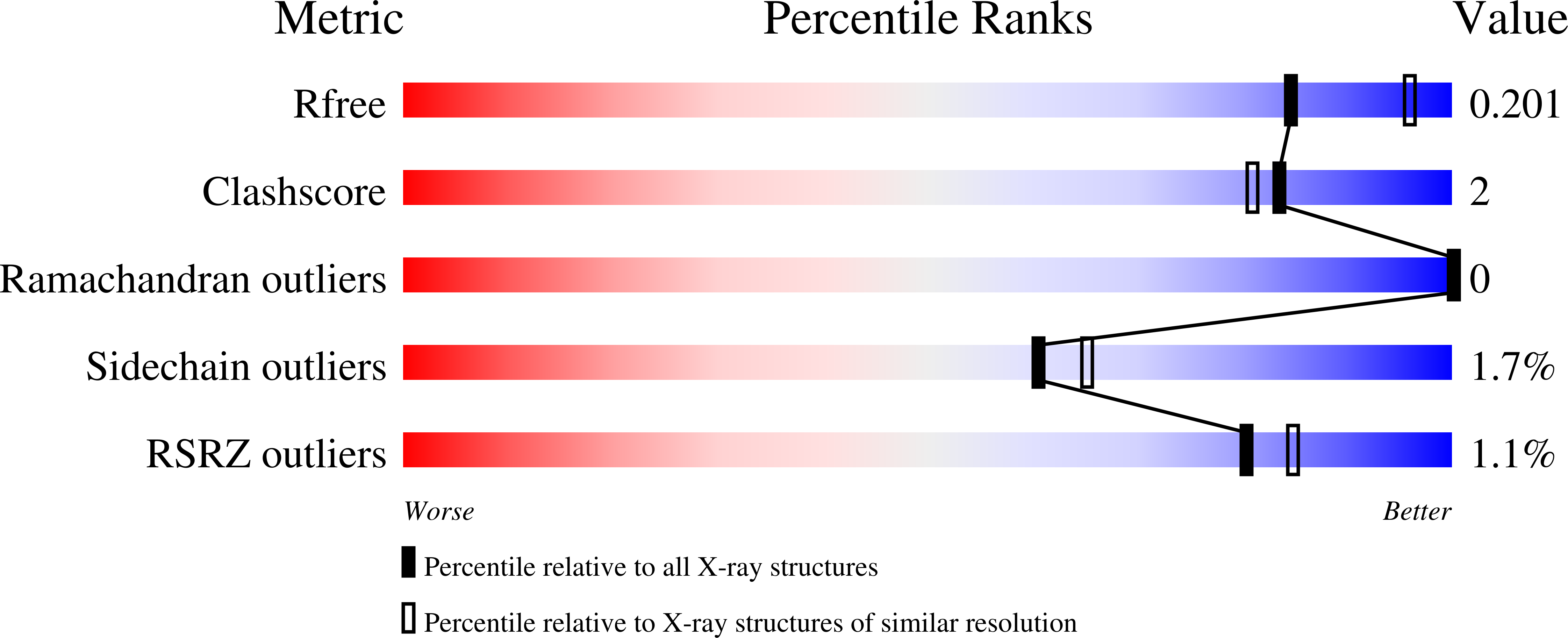
Resolution:
2.15 Å
R-Value Free:
0.21
R-Value Work:
0.17
R-Value Observed:
0.17
Space Group:
P 31 2 1
Macromolecular Entities
Structures with similar UniProt ID
Protein Blast
Polymer Type:polypeptide(L)
Molecule:Bcl-2-like protein 1
Gene (Uniprot):BCL2L1
Chain IDs:A, B
Chain Length:158
Number of Molecules:2
Biological Source:Homo sapiens
Primary Citation
Structure-Guided Development of Potent Benzoylurea Inhibitors of BCL-X L and BCL-2.
J.Med.Chem. 64 5447 5469 (2021)
PMID: 33904752 DOI: 10.1021/acs.jmedchem.0c01771

Abstact

The BCL-2 family of proteins (including the prosurvival proteins BCL-2, BCL-XL, and MCL-1) is an important target for the development of novel anticancer therapeutics. Despite the challenges of targeting protein-protein interaction (PPI) interfaces with small molecules, a number of inhibitors (called BH3 mimetics) have entered the clinic and the BCL-2 inhibitor, ABT-199/venetoclax, is already proving transformative. For BCL-XL, new validated chemical series are desirable. Here, we outline the crystallography-guided development of a structurally distinct series of BCL-XL/BCL-2 inhibitors based on a benzoylurea scaffold, originally proposed as α-helix mimetics. We describe structure-guided exploration of a cryptic "p5" pocket identified in BCL-XL. This work yields novel inhibitors with submicromolar binding, with marked selectivity toward BCL-XL. Extension into the hydrophobic p2 pocket yielded the most potent inhibitor in the series, binding strongly to BCL-XL and BCL-2 (nanomolar-range half-maximal inhibitory concentration (IC50)) and displaying mechanism-based killing in cells engineered to depend on BCL-XL for survival.

Legend

Protein

Chemical

Disease

Primary Citation of related structures
Feedback Form
Name
Email
Institute
Feedback