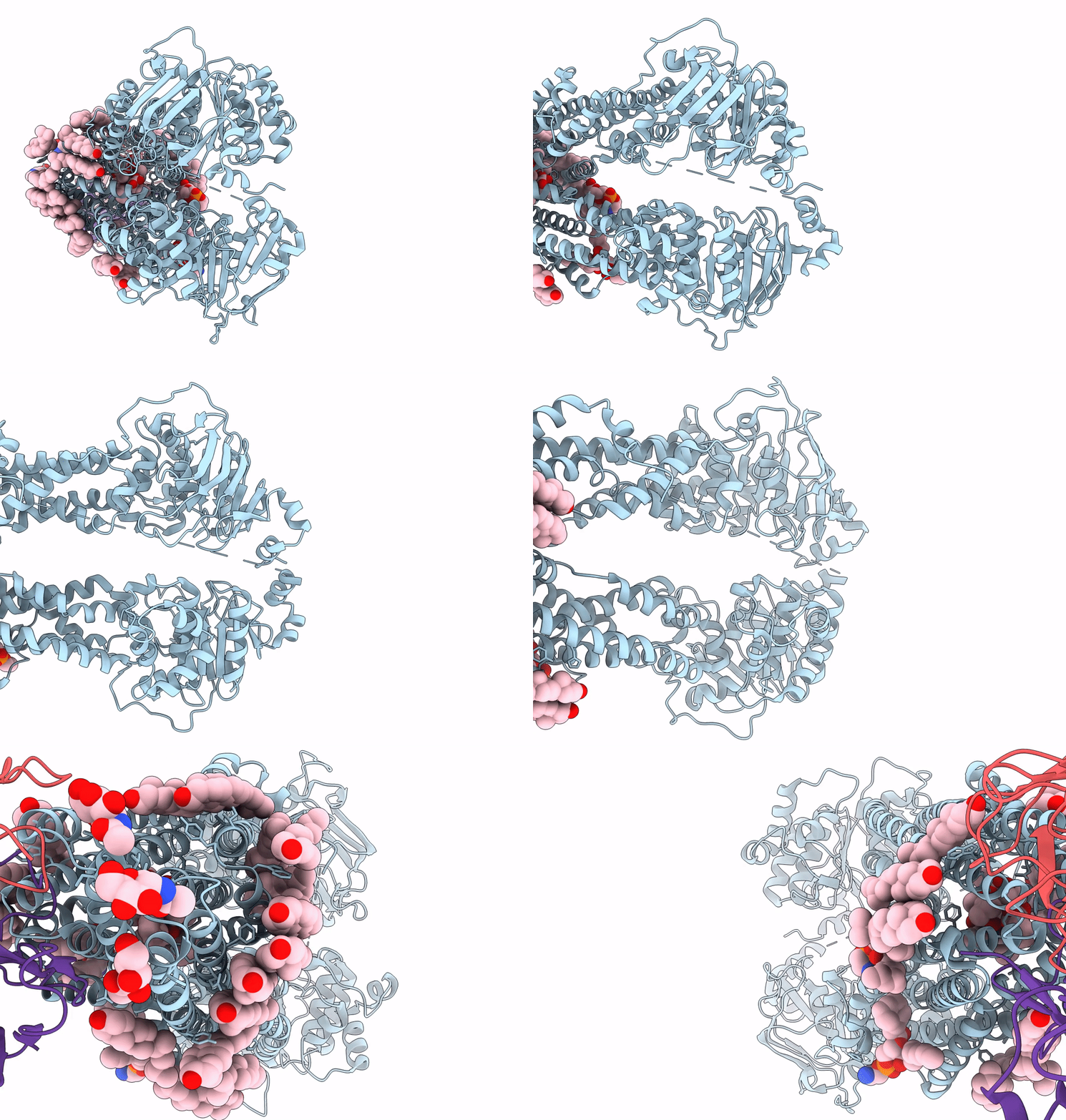
6QEX image
Deposition Date 2019-01-08
Release Date 2019-02-27
Last Version Date 2024-11-13
Entry Detail
PDB ID:
6QEX
Title:
Nanodisc reconstituted human ABCB1 in complex with UIC2 fab and taxol
Biological Source:
Source Organism:
Homo sapiens (Taxon ID: 9606)
Mus musculus (Taxon ID: 10090)
Host Organism:
Method Details:
Experimental Method:
Resolution:
3.60 Å
Aggregation State:
PARTICLE
Reconstruction Method:
SINGLE PARTICLE
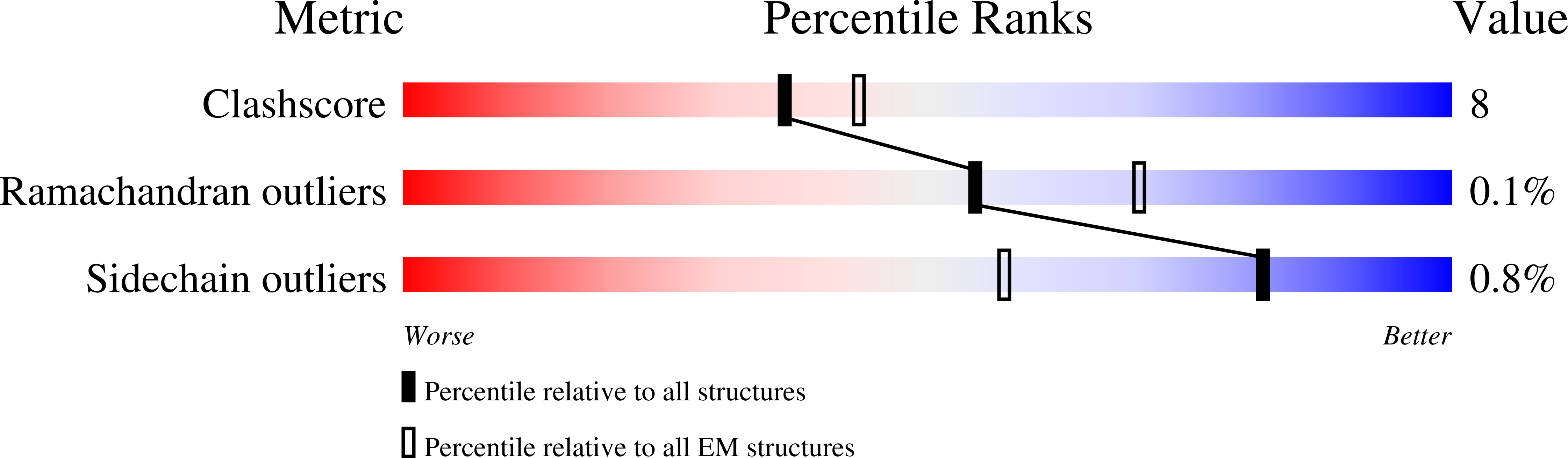
Macromolecular Entities
Structures with similar UniProt ID
Protein Blast
Polymer Type:polypeptide(L)
Molecule:Multidrug resistance protein 1
Gene (Uniprot):ABCB1
Chain IDs:A
Chain Length:1280
Number of Molecules:1
Biological Source:Homo sapiens
Polymer Type:polypeptide(L)
Molecule:UIC2 Fab lightchain
Chain IDs:B
Chain Length:220
Number of Molecules:1
Biological Source:Mus musculus
Polymer Type:polypeptide(L)
Molecule:UIC2 Fab heavy chain
Chain IDs:C
Chain Length:225
Number of Molecules:1
Biological Source:Mus musculus
Primary Citation
Structural insight into substrate and inhibitor discrimination by human P-glycoprotein.
Science 363 753 756 (2019)
PMID: 30765569 DOI: 10.1126/science.aav7102

Abstact

ABCB1, also known as P-glycoprotein, actively extrudes xenobiotic compounds across the plasma membrane of diverse cells, which contributes to cellular drug resistance and interferes with therapeutic drug delivery. We determined the 3.5-angstrom cryo-electron microscopy structure of substrate-bound human ABCB1 reconstituted in lipidic nanodiscs, revealing a single molecule of the chemotherapeutic compound paclitaxel (Taxol) bound in a central, occluded pocket. A second structure of inhibited, human-mouse chimeric ABCB1 revealed two molecules of zosuquidar occupying the same drug-binding pocket. Minor structural differences between substrate- and inhibitor-bound ABCB1 sites are amplified toward the nucleotide-binding domains (NBDs), revealing how the plasticity of the drug-binding site controls the dynamics of the adenosine triphosphate-hydrolyzing NBDs. Ordered cholesterol and phospholipid molecules suggest how the membrane modulates the conformational changes associated with drug binding and transport.

Legend

Protein

Chemical

Disease

Primary Citation of related structures
Feedback Form
Name
Email
Institute
Feedback