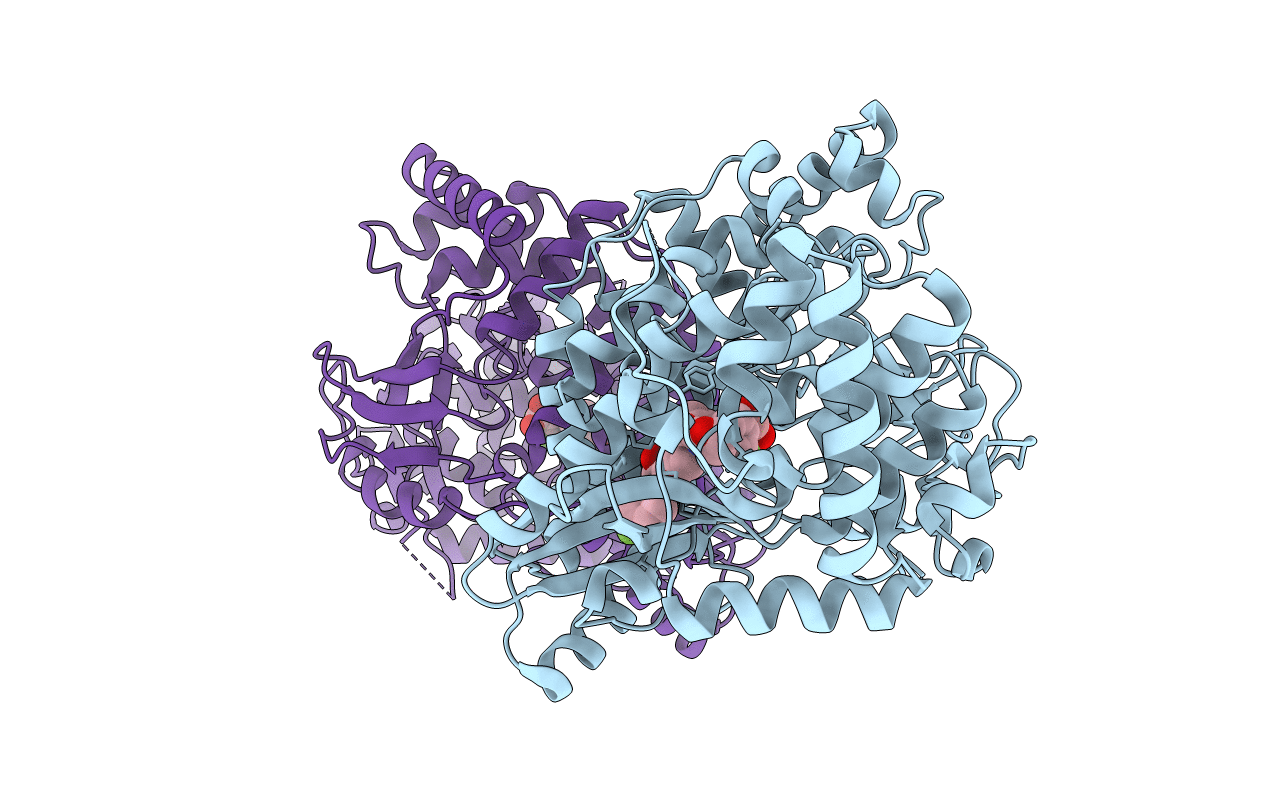
6MVK image
Deposition Date 2018-10-26
Release Date 2019-09-04
Last Version Date 2024-03-13
Entry Detail
PDB ID:
6MVK
Keywords:
Title:
HCV NS5B 1b N316 bound to Compound 18
Biological Source:
Source Organism:
Host Organism:
Method Details:
Experimental Method:
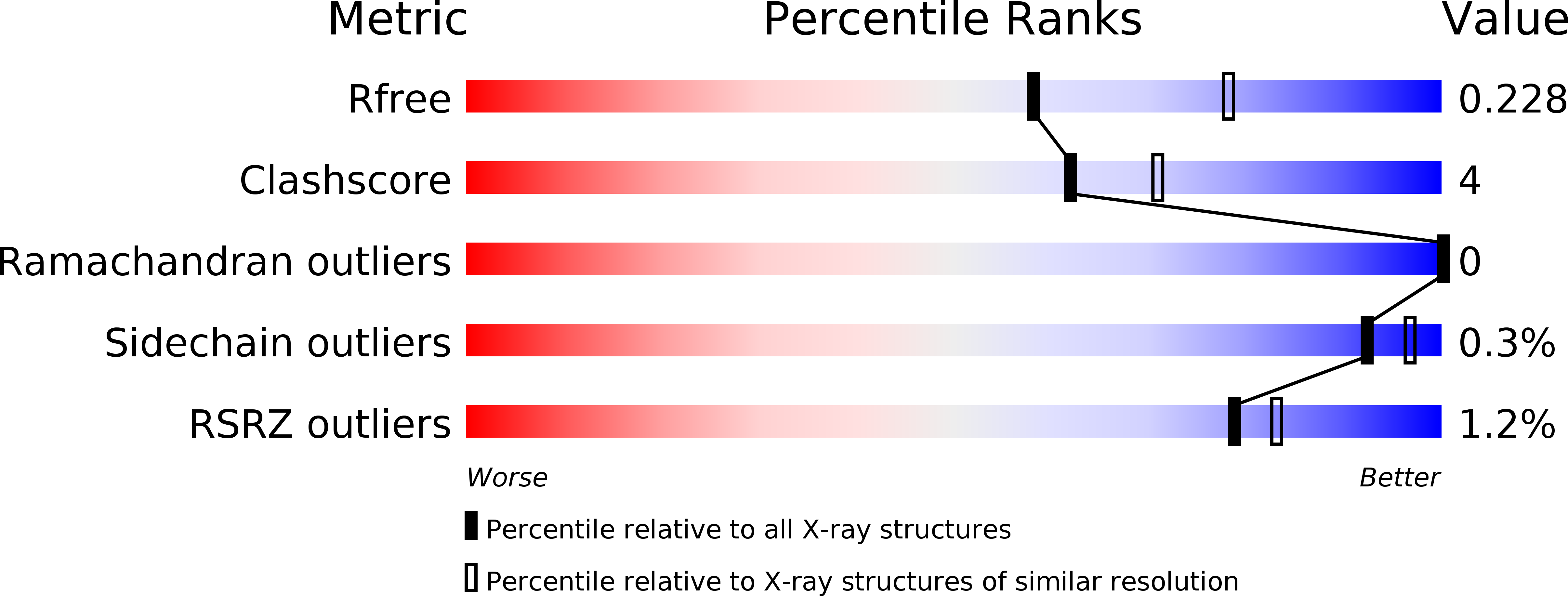
Resolution:
2.30 Å
R-Value Free:
0.23
R-Value Work:
0.20
R-Value Observed:
0.20
Space Group:
P 21 21 21
Macromolecular Entities
Structures with similar UniProt ID
Protein Blast
Polymer Type:polypeptide(L)
Molecule:HCV Polymerase
Chain IDs:A, B
Chain Length:563
Number of Molecules:2
Biological Source:Hepatitis C virus subtype 1b
Ligand Molecules
Primary Citation
Design of N-Benzoxaborole Benzofuran GSK8175-Optimization of Human Pharmacokinetics Inspired by Metabolites of a Failed Clinical HCV Inhibitor.
J.Med.Chem. 62 3254 3267 (2019)
PMID: 30763090 DOI: 10.1021/acs.jmedchem.8b01719

Abstact

We previously described the discovery of GSK5852 (1), a non-nucleoside polymerase (NS5B) inhibitor of hepatitis C virus (HCV), in which an N-benzyl boronic acid was essential for potent antiviral activity. Unfortunately, facile benzylic oxidation resulted in a short plasma half-life (5 h) in human volunteers, and a backup program was initiated to remove metabolic liabilities associated with 1. Herein, we describe second-generation NS5B inhibitors including GSK8175 (49), a sulfonamide- N-benzoxaborole analog with low in vivo clearance across preclinical species and broad-spectrum activity against HCV replicons. An X-ray structure of NS5B protein cocrystallized with 49 revealed unique protein-inhibitor interactions mediated by an extensive network of ordered water molecules and the first evidence of boronate complex formation within the binding pocket. In clinical studies, 49 displayed a 60-63 h half-life and a robust decrease in viral RNA levels in HCV-infected patients, thereby validating our hypothesis that reducing benzylic oxidation would improve human pharmacokinetics and lower efficacious doses relative to 1.

Legend

Protein

Chemical

Disease

Primary Citation of related structures
Feedback Form
Name
Email
Institute
Feedback