6KPN image
Deposition Date 2019-08-15
Release Date 2019-10-02
Last Version Date 2024-10-30
Entry Detail
PDB ID:
6KPN
Keywords:
Title:
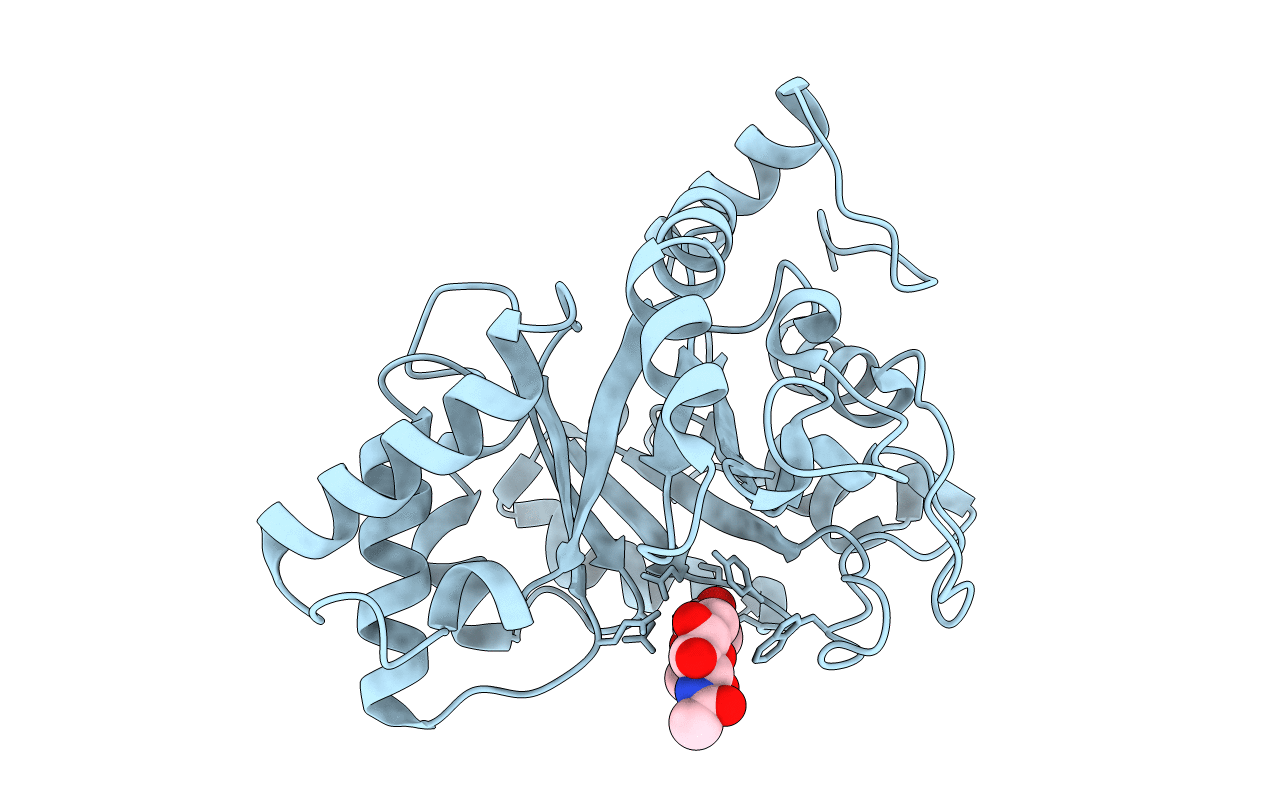
Crystal Structure of endo-beta-N-acetylglucosaminidase from Cordyceps militaris D154N/E156Q mutant in complex with fucosyl-N-acetylglucosamine
Biological Source:
Source Organism:
Method Details:
Experimental Method:
Resolution:
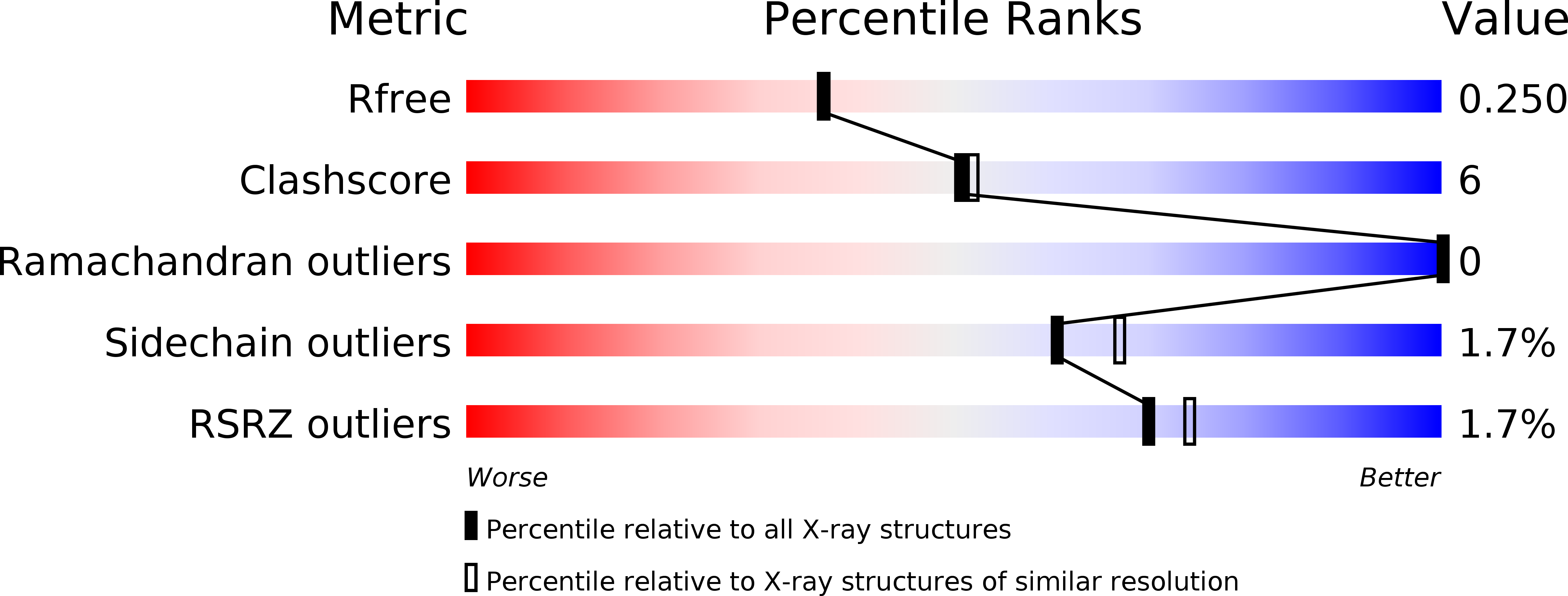
2.10 Å
R-Value Free:
0.24
R-Value Work:
0.19
R-Value Observed:
0.20
Space Group:
P 65
Macromolecular Entities
Structures with similar UniProt ID
Protein Blast
Polymer Type:polypeptide(L)
Molecule:Chitinase
Gene (Uniprot):CCM_08020
Mutagens:D154N, E156Q
Chain IDs:A
Chain Length:303
Number of Molecules:1
Biological Source:Cordyceps militaris CM01
Primary Citation
Structural basis for the specific cleavage of core-fucosylatedN-glycans by endo-beta-N-acetylglucosaminidase from the fungusCordyceps militaris.
J.Biol.Chem. 294 17143 17154 (2019)
PMID: 31548313 DOI: 10.1074/jbc.RA119.010842

Abstact

N-Linked glycans play important roles in various cellular and immunological events. Endo-β-N-acetylglucosaminidase (ENGase) can release or transglycosylate N-glycans and is a promising tool for the chemoenzymatic synthesis of glycoproteins with homogeneously modified glycans. The ability of ENGases to act on core-fucosylated glycans is a key factor determining their therapeutic utility because mammalian N-glycans are frequently α-1,6-fucosylated. Although the biochemistries and structures of various ENGases have been studied extensively, the structural basis for the recognition of the core fucose and the asparagine-linked GlcNAc is unclear. Herein, we determined the crystal structures of a core fucose-specific ENGase from the caterpillar fungus Cordyceps militaris (Endo-CoM), which belongs to glycoside hydrolase family 18. Structures complexed with fucose-containing ligands were determined at 1.75-2.35 Å resolutions. The fucose moiety linked to GlcNAc is extensively recognized by protein residues in a round-shaped pocket, whereas the asparagine moiety linked to the GlcNAc is exposed to the solvent. The N-glycan-binding cleft of Endo-CoM is Y-shaped, and several lysine and arginine residues are present at its terminal regions. These structural features were consistent with the activity of Endo-CoM on fucose-containing glycans on rituximab (IgG) and its preference for a sialobiantennary substrate. Comparisons with other ENGases provided structural insights into their core fucose tolerance and specificity. In particular, Endo-F3, a known core fucose-specific ENGase, has a similar fucose-binding pocket, but the surrounding residues are not shared with Endo-CoM. Our study provides a foothold for protein engineering to develop enzymatic tools for the preparation of more effective therapeutic antibodies.

Legend

Protein

Chemical

Disease

Primary Citation of related structures
Feedback Form
Name
Email
Institute
Feedback