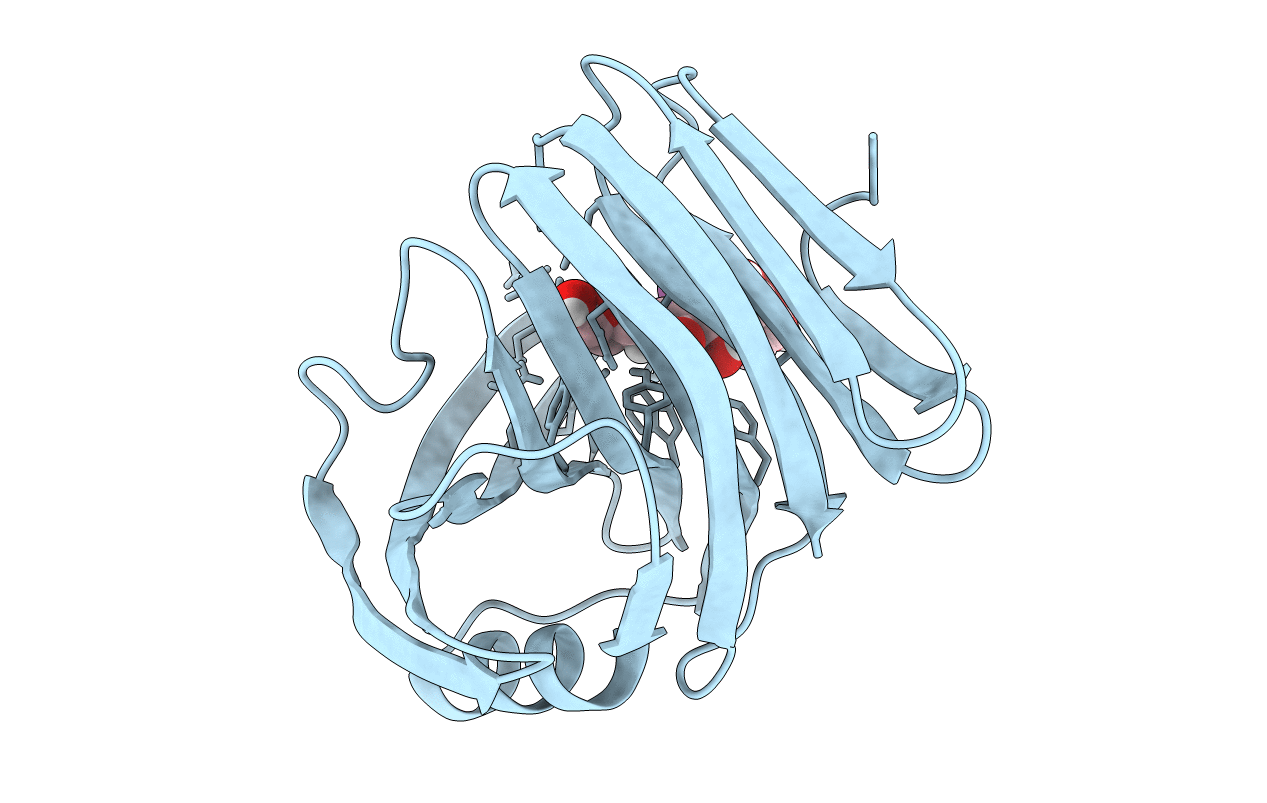
6K9X image
Deposition Date 2019-06-18
Release Date 2021-04-28
Last Version Date 2023-11-22
Entry Detail
PDB ID:
6K9X
Keywords:
Title:
Crystal Structure Analysis of Protein
Biological Source:
Source Organism:
Host Organism:
Method Details:
Experimental Method:
Resolution:
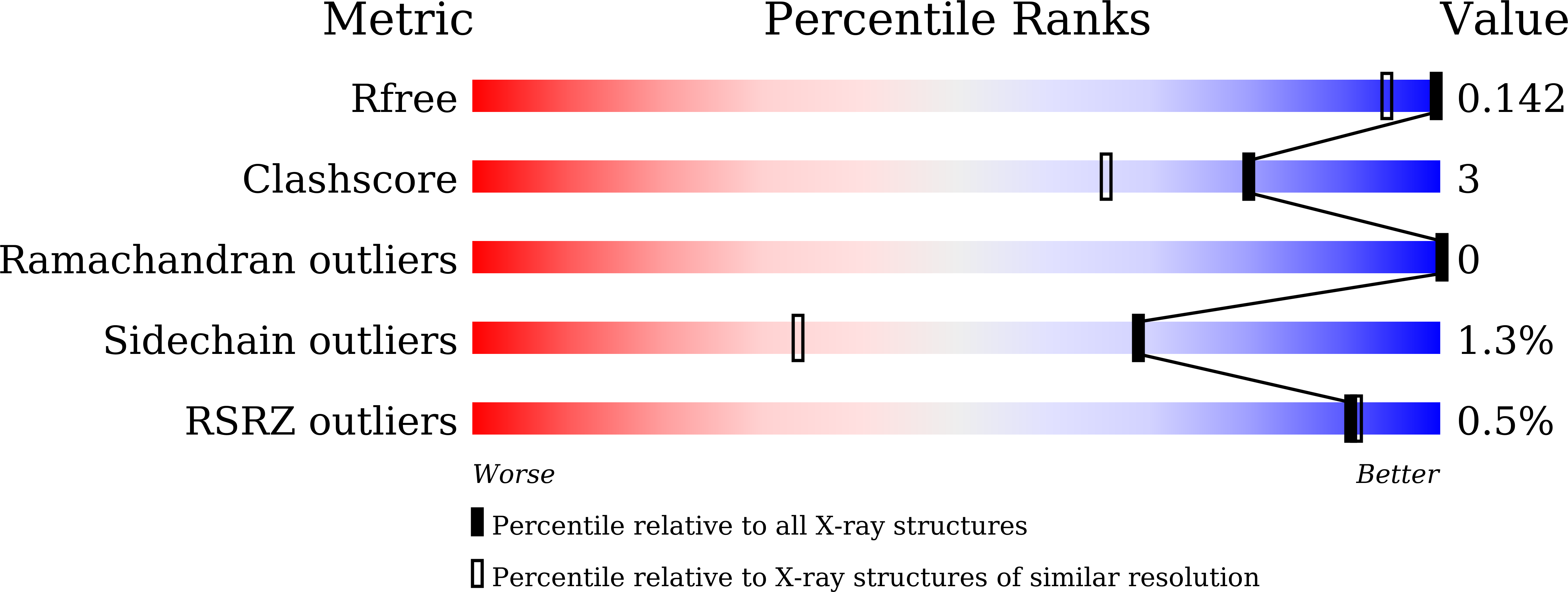
1.20 Å
R-Value Free:
0.14
R-Value Work:
0.12
R-Value Observed:
0.13
Space Group:
P 21 21 21
Macromolecular Entities
Structures with similar UniProt ID
Protein Blast
Polymer Type:polypeptide(L)
Molecule:Endo-1,4-beta-xylanase 2
Gene (Uniprot):xyn2
Chain IDs:A
Chain Length:189
Number of Molecules:1
Biological Source:Hypocrea jecorina RUT C-30
Ligand Molecules
Peptide-like Molecules
PRD_900117
Primary Citation
X-ray crystallographic studies of family 11 xylanase Michaelis and product complexes: implications for the catalytic mechanism
Acta Crystallographica Section D-Biological Crystallography D70 11 23 (2014)
PMID: 24419374 DOI: 10.1107/S1399004713023626

Abstact

Xylanases catalyze the hydrolysis of plant hemicellulose xylan into oligosaccharides by cleaving the main-chain glycosidic linkages connecting xylose subunits. To study ligand binding and to understand how the pH constrains the activity of the enzyme, variants of the Trichoderma reesei xylanase were designed to either abolish its activity (E177Q) or to change its pH optimum (N44H). An E177Q-xylohexaose complex structure was obtained at 1.15 Å resolution which represents a pseudo-Michaelis complex and confirmed the conformational movement of the thumb region owing to ligand binding. Co-crystallization of N44H with xylohexaose resulted in a hydrolyzed xylotriose bound in the active site. Co-crystallization of the wild-type enzyme with xylopentaose trapped an aglycone xylotriose and a transglycosylated glycone product. Replacing amino acids near Glu177 decreased the xylanase activity but increased the relative activity at alkaline pH. The substrate distortion in the E177Q-xylohexaose structure expands the possible conformational itinerary of this xylose ring during the enzyme-catalyzed xylan-hydrolysis reaction.

Legend

Protein

Chemical

Disease

Primary Citation of related structures
Feedback Form
Name
Email
Institute
Feedback