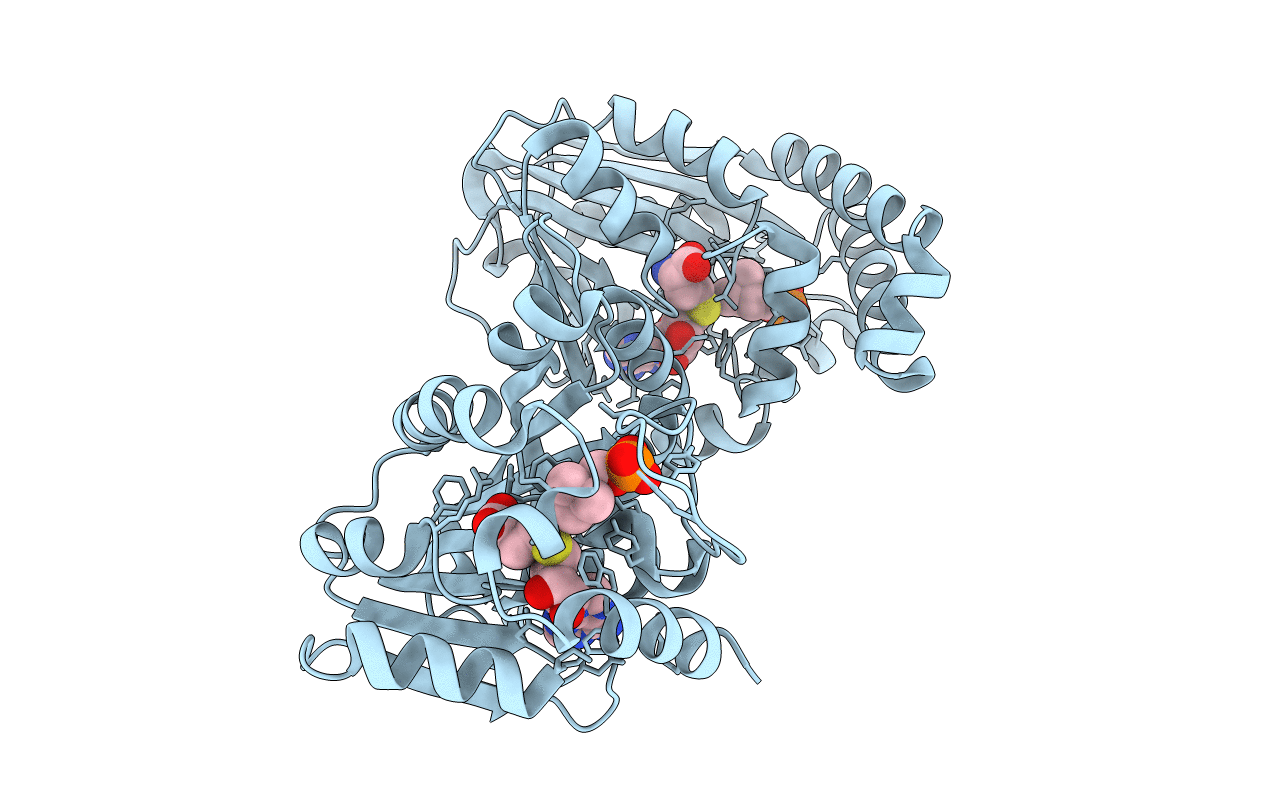
5WP4 image
Deposition Date 2017-08-03
Release Date 2017-11-15
Last Version Date 2023-10-04
Entry Detail
PDB ID:
5WP4
Keywords:
Title:
Arabidopsis thaliana phosphoethanolamine N-methyltransferase 1 (AtPMT1, XIOPTL) in complex with SAH and phosphocholine
Biological Source:
Source Organism:
Host Organism:
Method Details:
Experimental Method:
Resolution:
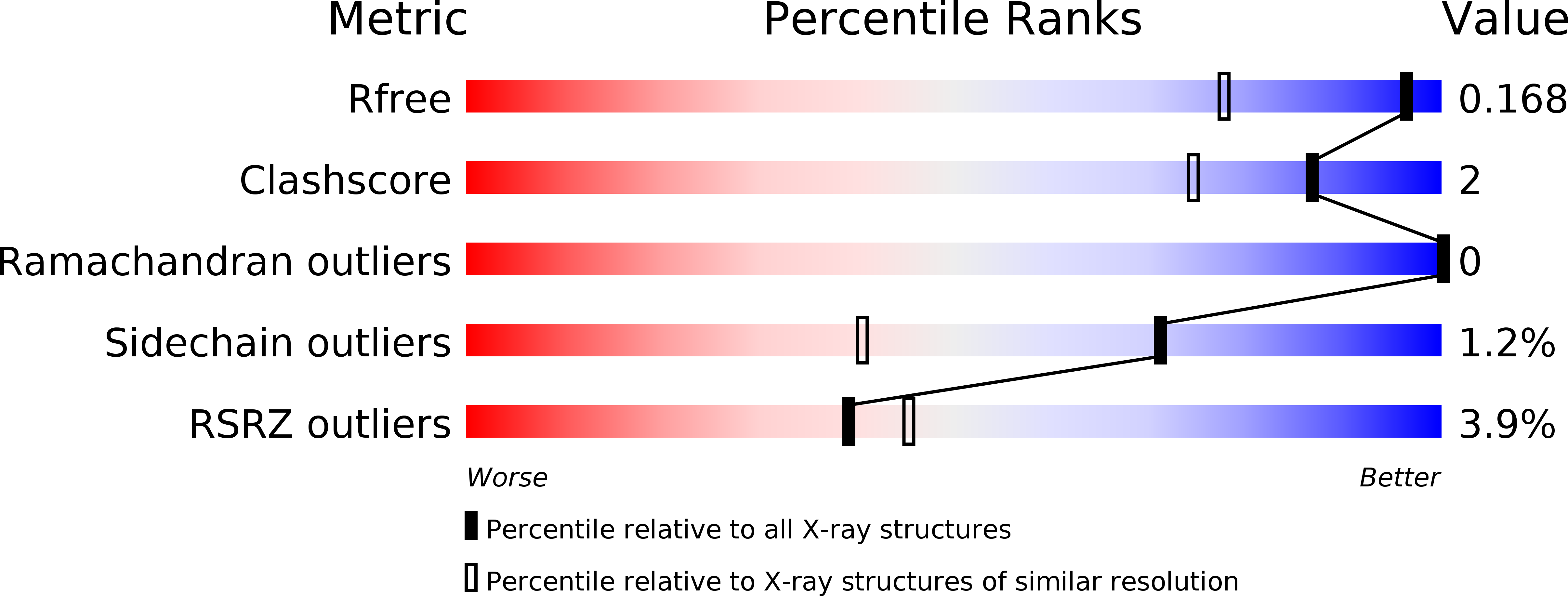
1.34 Å
R-Value Free:
0.16
R-Value Work:
0.15
R-Value Observed:
0.15
Space Group:
P 1 21 1
Macromolecular Entities
Structures with similar UniProt ID
Protein Blast
Polymer Type:polypeptide(L)
Molecule:Phosphoethanolamine N-methyltransferase 1
Gene (Uniprot):NMT1
Chain IDs:A
Chain Length:491
Number of Molecules:1
Biological Source:Arabidopsis thaliana
Primary Citation
Conformational changes in the di-domain structure of Arabidopsis phosphoethanolamine methyltransferase leads to active-site formation.
J. Biol. Chem. 292 21690 21702 (2017)
PMID: 29084845 DOI: 10.1074/jbc.RA117.000106

Abstact

Phosphocholine (pCho) is a precursor for phosphatidylcholine and osmoprotectants in plants. In plants, de novo synthesis of pCho relies on the phosphobase methylation pathway. Phosphoethanolamine methyltransferase (PMT) catalyzes the triple methylation of phosphoethanolamine (pEA) to pCho. The plant PMTs are di-domain methyltransferases that divide the methylation of pEA in one domain from subsequent methylations in the second domain. To understand the molecular basis of this architecture, we examined the biochemical properties of three Arabidopsis thaliana PMTs (AtPMT1-3) and determined the X-ray crystal structures of AtPMT1 and AtPMT2. Although each isoform synthesizes pCho from pEA, their physiological roles differ with AtPMT1 essential for normal growth and salt tolerance, whereas AtPMT2 and AtPMT3 overlap functionally. The structures of AtPMT1 and AtPMT2 reveal unique features in each methyltransferase domain, including active sites that use different chemical mechanisms for phosphobase methylation. These structures also show how rearrangements in both the active sites and the di-domain linker form catalytically competent active sites and provide insight on the evolution of the PMTs in plants, nematodes, and apicomplexans. Connecting conformational changes with catalysis in modular enzymes, like the PMT, provides new insights on interdomain communication in biosynthetic systems.

Legend

Protein

Chemical

Disease

Primary Citation of related structures
Feedback Form
Name
Email
Institute
Feedback