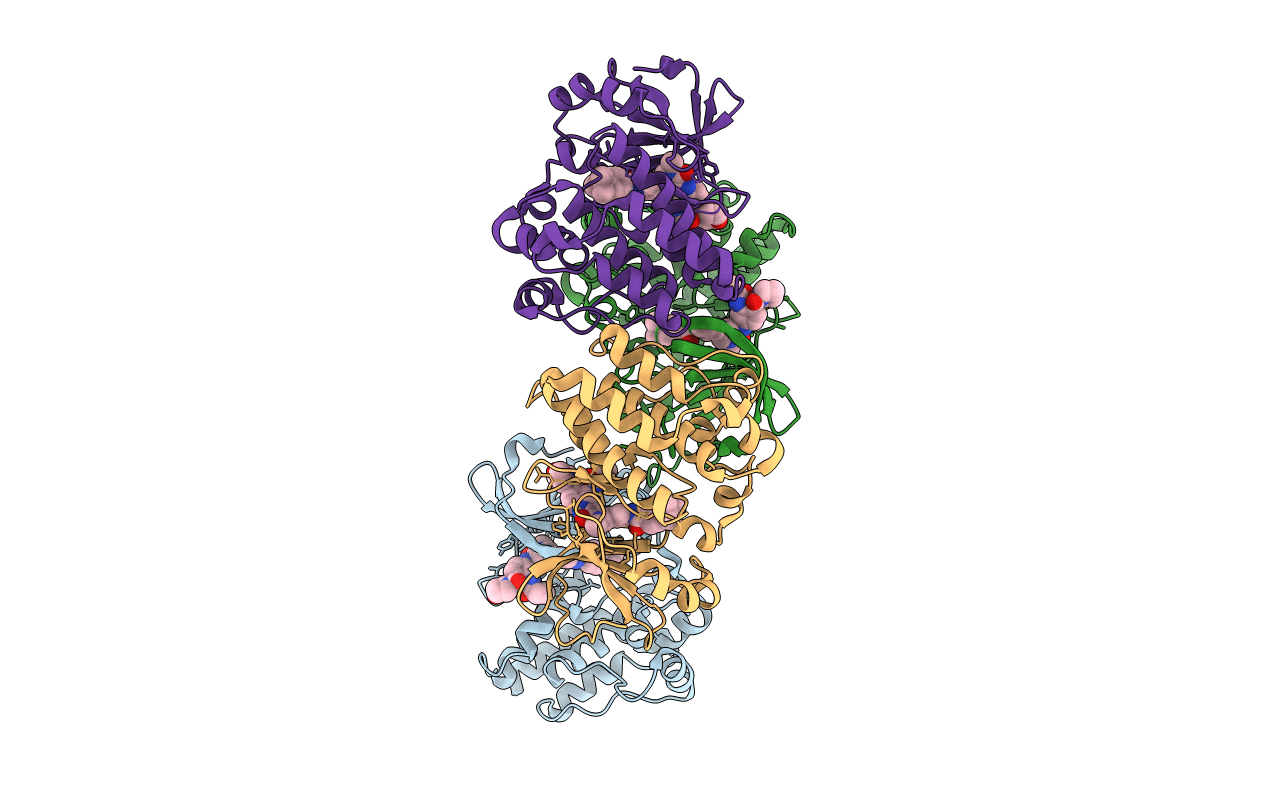
5J87 image
Deposition Date 2016-04-07
Release Date 2017-04-19
Last Version Date 2024-10-09
Entry Detail
PDB ID:
5J87
Title:
Discovery of N-(3-(5-((3-acrylamido-4-(morpholine-4-carbonyl)phenyl)amino)-1-methyl-6-oxo-1,6-dihydropyridin-3-yl)-2-methylphenyl)-4-(tert-butyl)benzamide (CHMFL-BTK-01) as a Highly Selective Irreversible BTK Kinase Inhibitor
Biological Source:
Source Organism:
Homo sapiens (Taxon ID: 9606)
Host Organism:
Method Details:
Experimental Method:
Resolution:
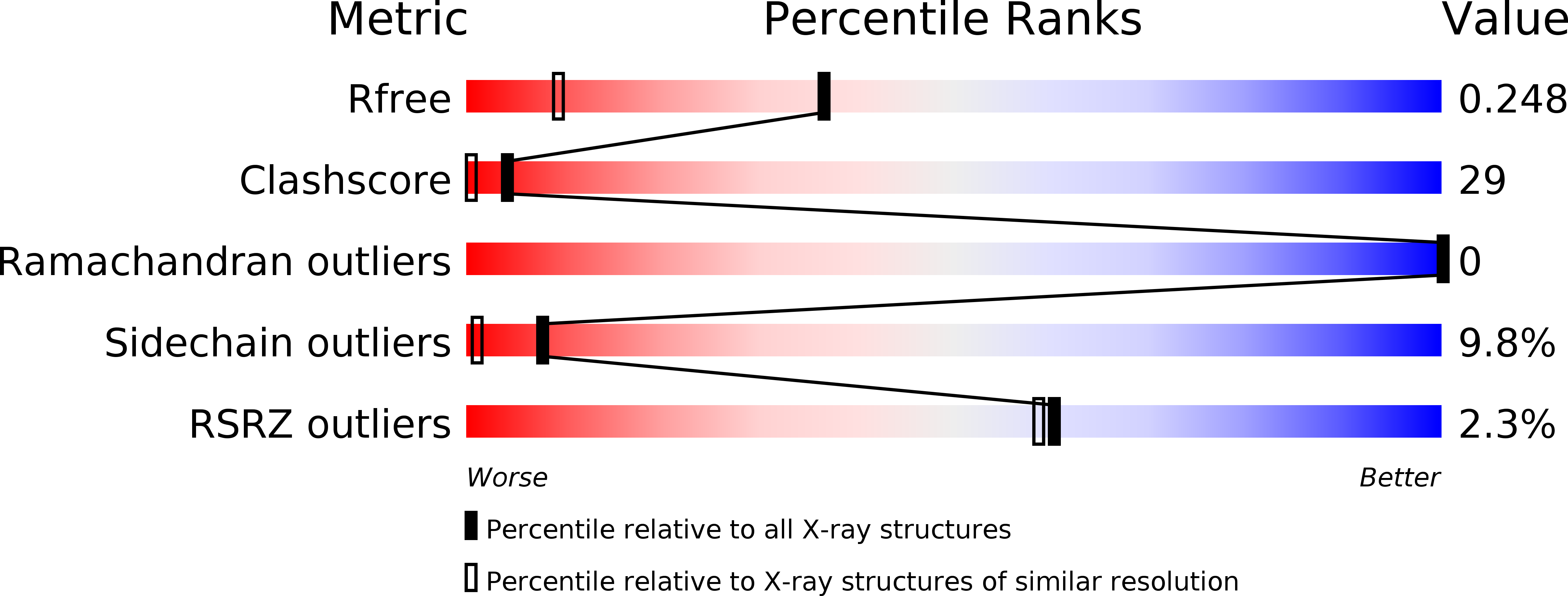
1.59 Å
R-Value Free:
0.24
R-Value Work:
0.21
R-Value Observed:
0.22
Space Group:
P 1 21 1
Macromolecular Entities
Structures with similar UniProt ID
Protein Blast
Polymer Type:polypeptide(L)
Molecule:Tyrosine-protein kinase BTK
Gene (Uniprot):BTK
Chain IDs:A, B, C, D
Chain Length:274
Number of Molecules:4
Biological Source:Homo sapiens
Ligand Molecules
Primary Citation
Discovery of N-(3-(5-((3-acrylamido-4-(morpholine-4-carbonyl)phenyl)amino)-1-methyl-6-oxo-1,6-dihydropyridin-3-yl)-2-methylphenyl)-4-(tert-butyl)benzamide (CHMFL-BTK-01) as a highly selective irreversible Bruton's tyrosine kinase (BTK) inhibitor.
Eur J Med Chem 131 107 125 (2017)
PMID: 28315597 DOI: 10.1016/j.ejmech.2017.03.001

Abstact

Currently there are several irreversible BTK inhibitors targeting Cys481 residue under preclinical or clinical development. However, most of these inhibitors also targeted other kinases such as BMX, JAK3, and EGFR that bear the highly similar active cysteine residues. Through a structure-based drug design approach, we discovered a highly potent (IC50: 7 nM) irreversible BTK inhibitor compound 9 (CHMFL-BTK-01), which displayed a high selectivity profile in KINOMEscan (S score (35) = 0.00) among 468 kinases/mutants at the concentration of 1 μM. Compound 9 completely abolished BMX, JAK3 and EGFR's activity. Both X-ray crystal structure and cysteine-serine mutation mediated rescue experiment confirmed 9's irreversible binding mode. 9 also potently inhibited BTK Y223 auto-phosphorylation (EC50: <30 nM), arrested cell cycle in G0/G1 phase and induced apoptosis in U2932 and Pfeiffer cells. We believe these features would make 9 a good pharmacological tool to study the BTK related pathology.

Legend

Protein

Chemical

Disease

Primary Citation of related structures
Feedback Form
Name
Email
Institute
Feedback